
Humidity in Pharmaceutical and Life Science Cleanrooms
Why cleanrooms require continuous humidity and temperature logging, why an office-grade sensor falls short here, and what makes a sensor withstand repeated chemical decontamination cycles.
Pharmaceutical and life science cleanrooms operate under regulations that require continuous monitoring of relative humidity and temperature, with traceable records for every production batch. This note focuses on why that environment is more demanding for a humidity sensor than standard HVAC; for the general measurement technology, see the humidity instrumentation landing.
The challenge isn't just measuring accurately, but sustaining that accuracy through years of exposure to cleaning agents, disinfectants and sterilization cycles — without the sensor drifting or failing at the worst possible time.
This note covers
- Why regulators require continuous humidity and temperature logging in cleanrooms
- Why a sensor that works well in an office can fail in this environment
- How HUMICAP® technology withstands hydrogen peroxide decontamination
Why Humidity Is Logged Continuously
Medical instrument manufacturers and pharmaceutical companies must adhere to strict cleanroom standards requiring continuous monitoring, measurement and control of environmental conditions. Regulators demand temperature and humidity records during manufacturing and batch quality testing — not a single reading, but a traceable, calibrated history.
Cleanrooms are also frequently decontaminated for pathogen control, which requires the installed sensors and displays to tolerate regular wet wiping and exposure to different sterilization agents, including hydrogen peroxide fumigation.
A Harsher Environment Than Standard HVAC
These requirements expose humidity sensors to chemicals not normally found in a conventional HVAC application. A sensor that performs well in an office environment may not be suited for this demand — and a sensor that has performed stably for years may drift rapidly or fail completely once subjected to these conditions.
The cost of that failure can be significant: if the quality of the monitored product is compromised, or if it can no longer be proven that manufacturing conditions were correct, the entire batch is in question. That's why it's worth weighing the cost of good monitoring instrumentation against the cost of scrapping one or several production batches.
Stable Sensors That Withstand Chemical Decontamination
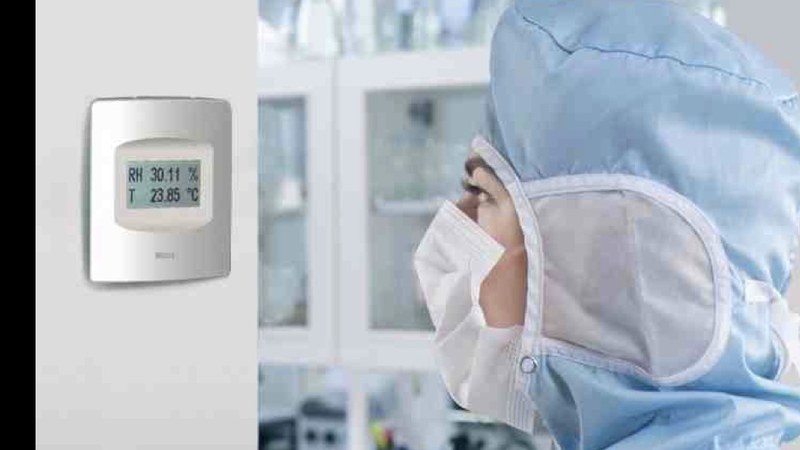
Vaisala developed the HUMICAP® capacitive sensor more than 40 years ago and has extensive experience in demanding environments. Long-term sensor stability — not just initial accuracy — is what determines the real calibration interval and the cost of keeping the system compliant.
When vaporized hydrogen peroxide decontamination is frequent, sensor stability improves further with a catalytic filter that breaks the peroxide down into water and oxygen before it reaches the sensing surface — preventing that extra vapor from skewing the relative humidity reading across hundreds of decontamination cycles.
This technical content is based on Vaisala's application note on cleanroom humidity measurement for the life science industry. AKRIBIS is an authorized Vaisala partner for distribution and technical support in the region — explore the full Vaisala instrumentation line. For the specific probe for your cleanroom, consult a specialist.
Instruments to Measure Humidity
-
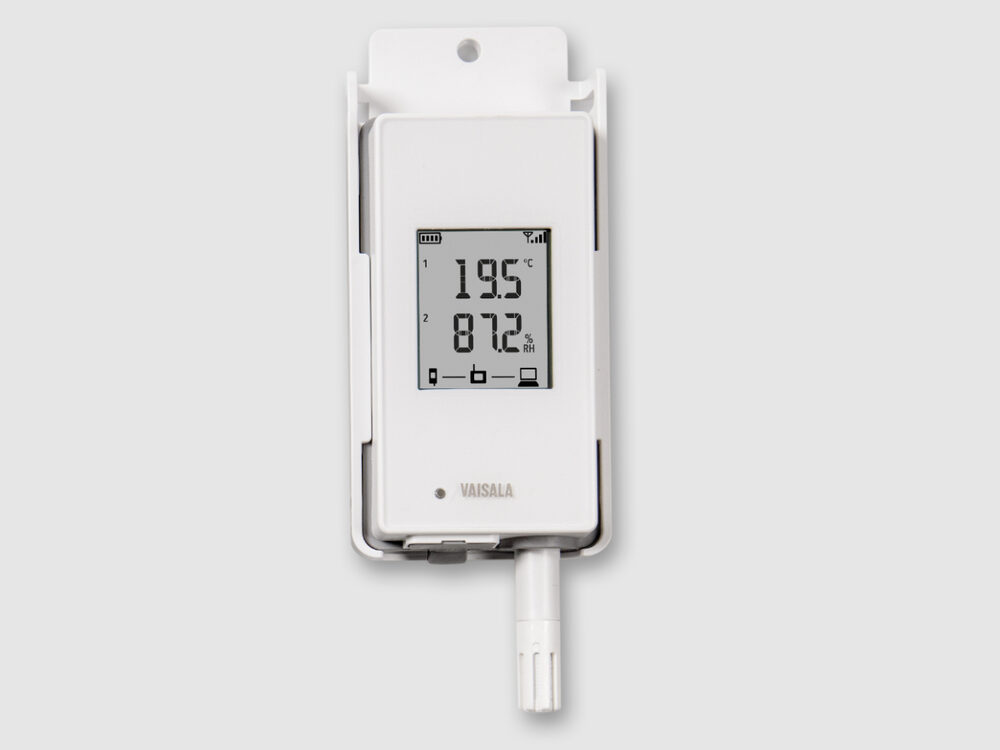 CWL100 Cloud wireless data logger for temperature and humidity
 -
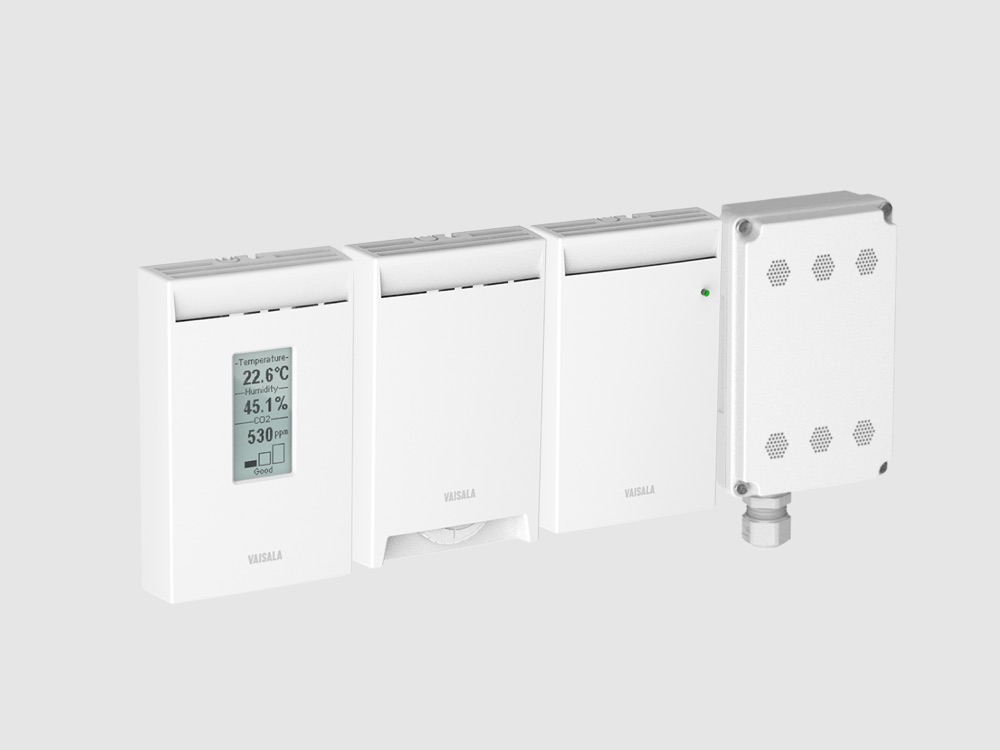 GMW80 Wall-mounted CO2, humidity and temperature transmitter for indoor air quality
 -
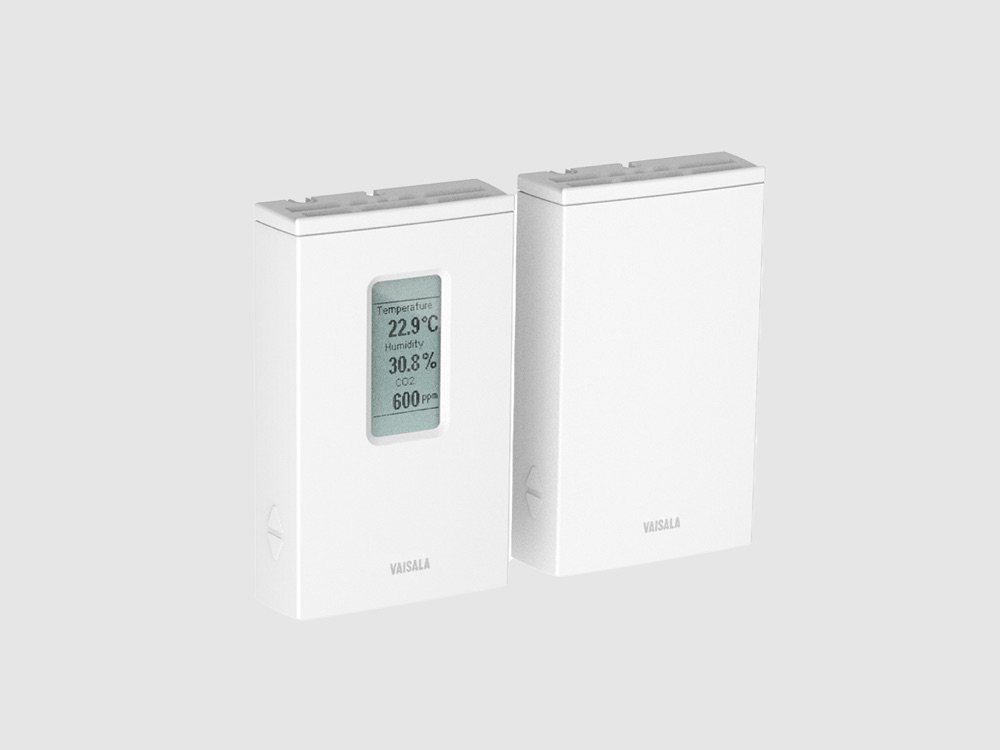 GMW90 Wall-mounted CO2 transmitter for green building projects
 -
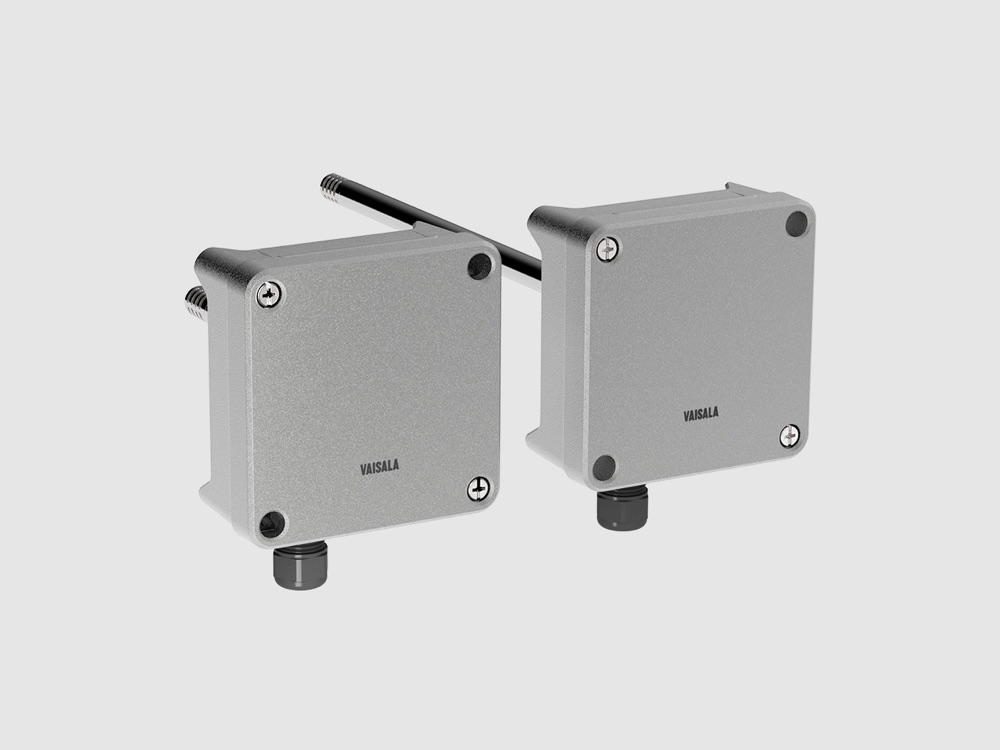 HMD60 Duct humidity and temperature transmitter for HVAC
 -
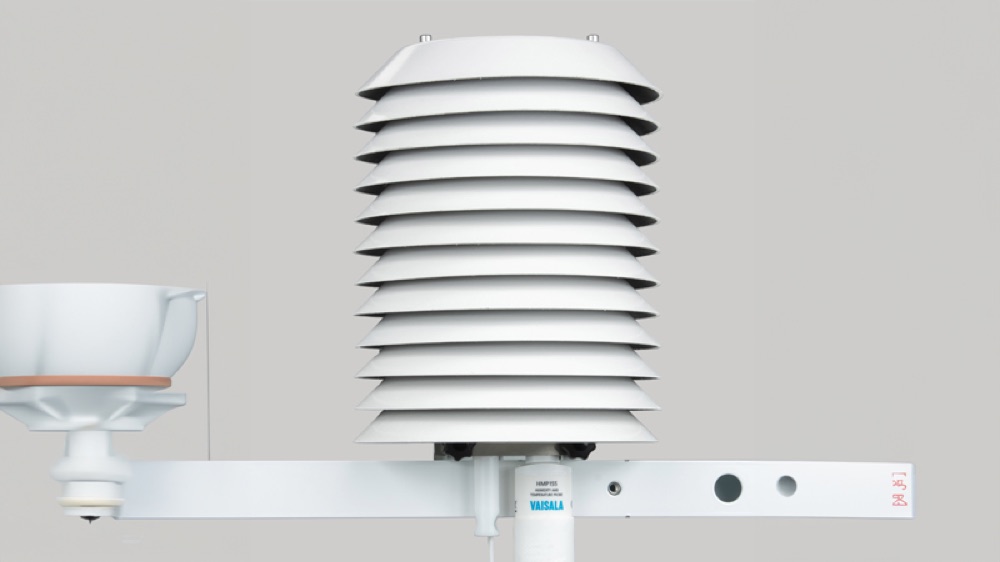 HMP155 HUMICAP® humidity and temperature probe for harsh environments
 -
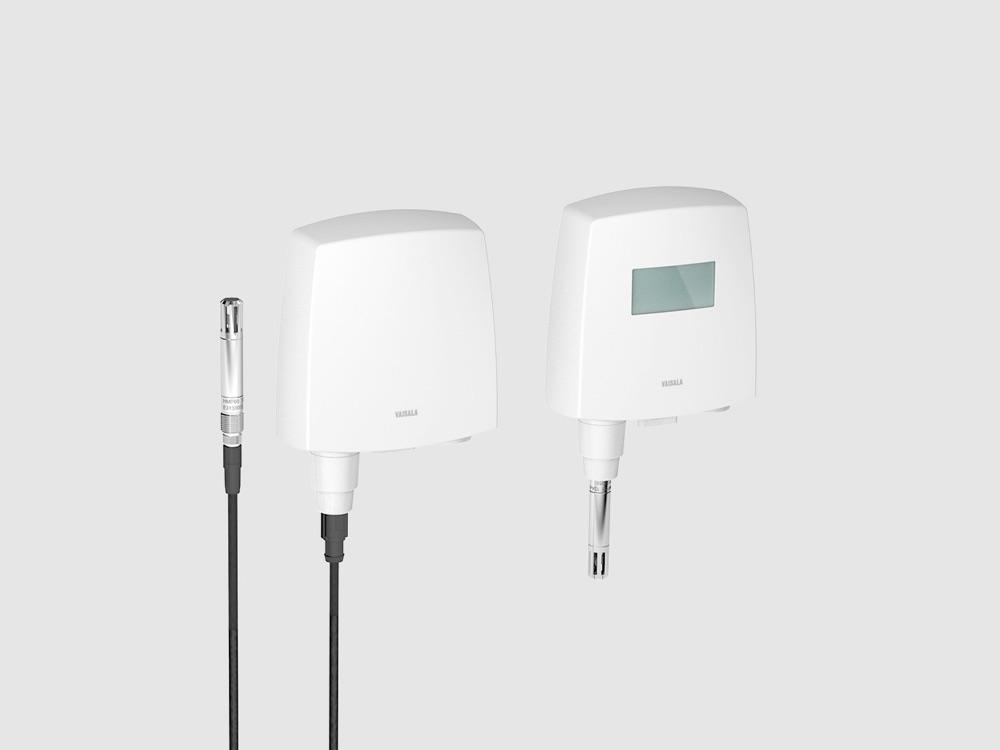 HMT120/130 Humidity and temperature transmitters with exchangeable probe for cleanrooms
 -
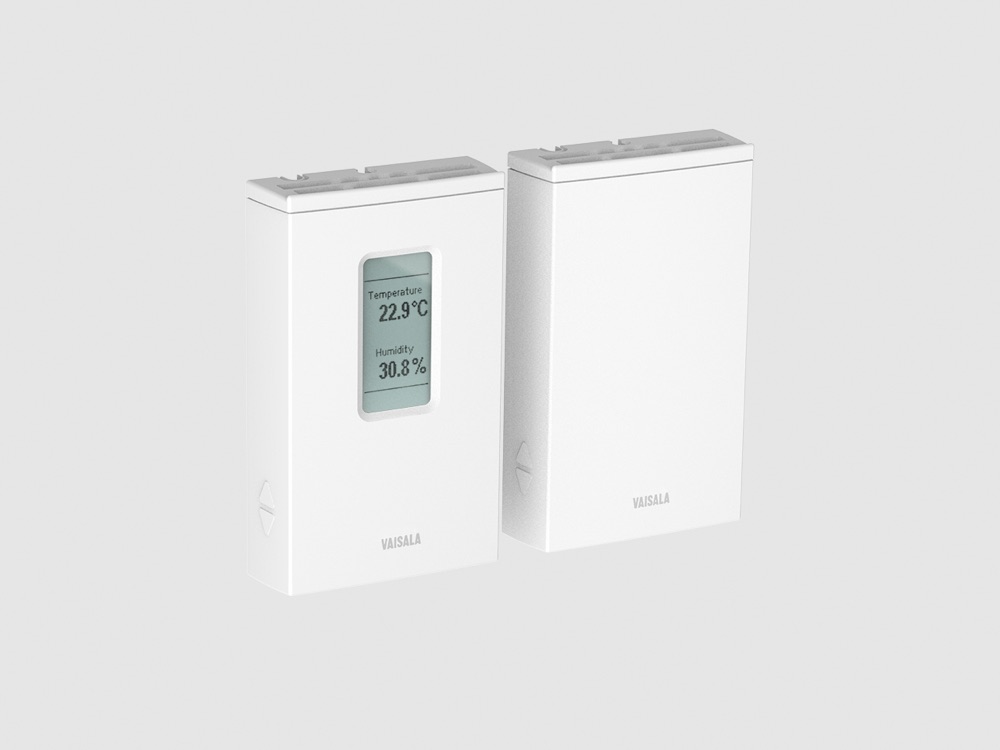 HMW90 Wall-mount humidity and temperature transmitters for building automation
 -
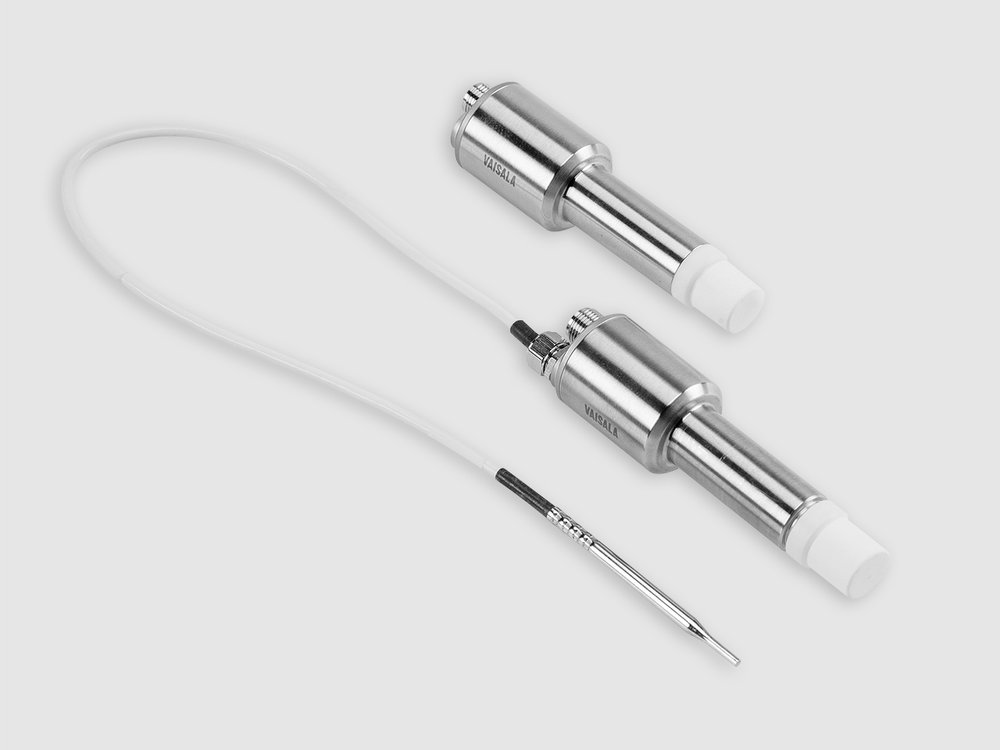 HPP270 PEROXCAP® vaporized hydrogen peroxide probe for bio-decontamination
 -
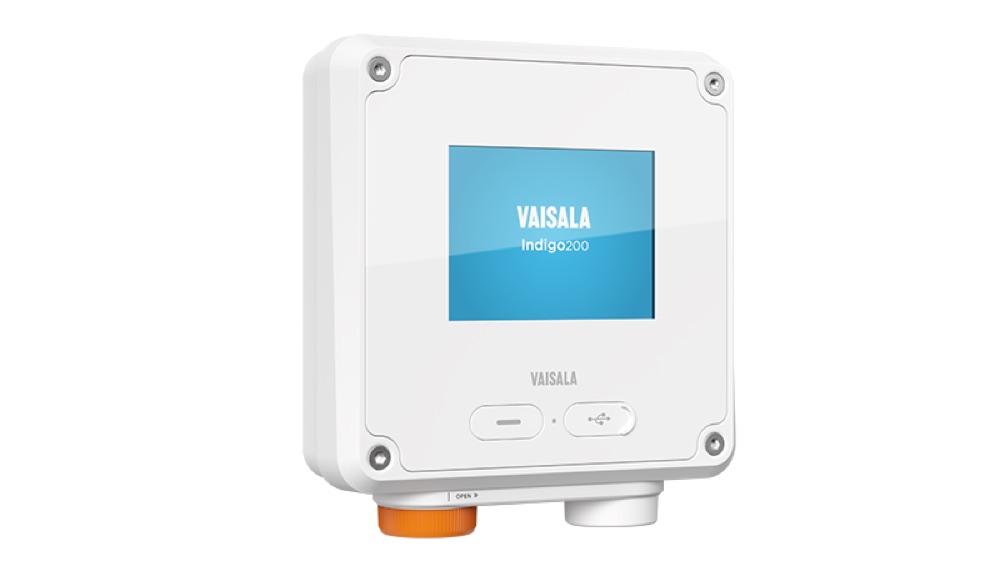 Indigo200 Compact single-probe transmitter for the Indigo ecosystem
 -
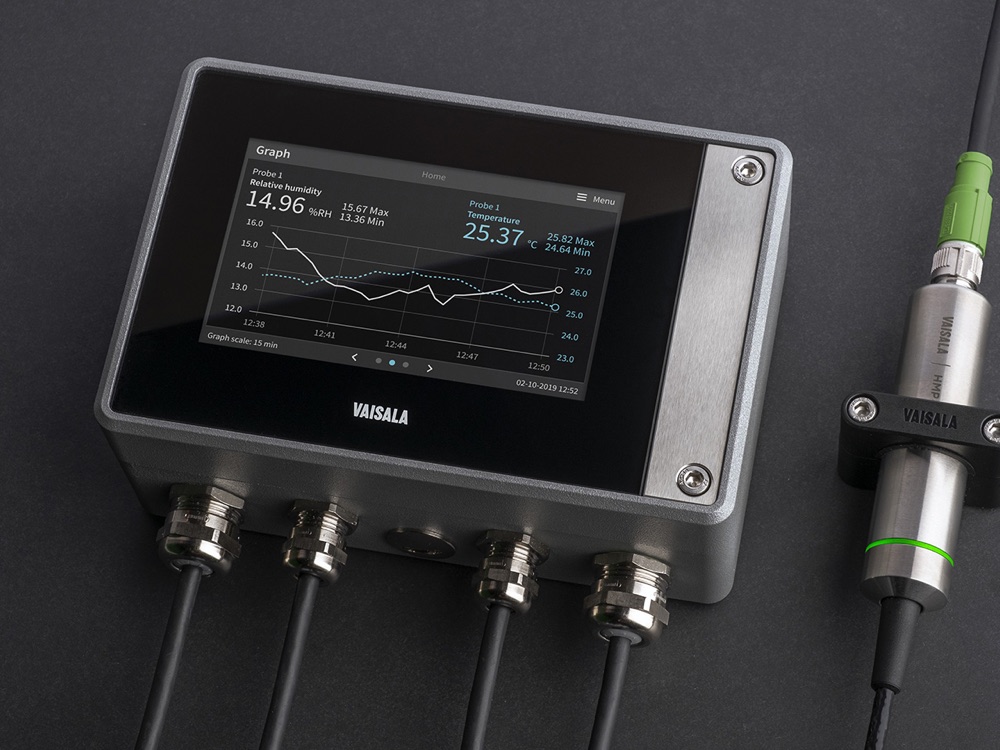 Indigo500 Universal transmitter for Indigo-compatible probes
 -
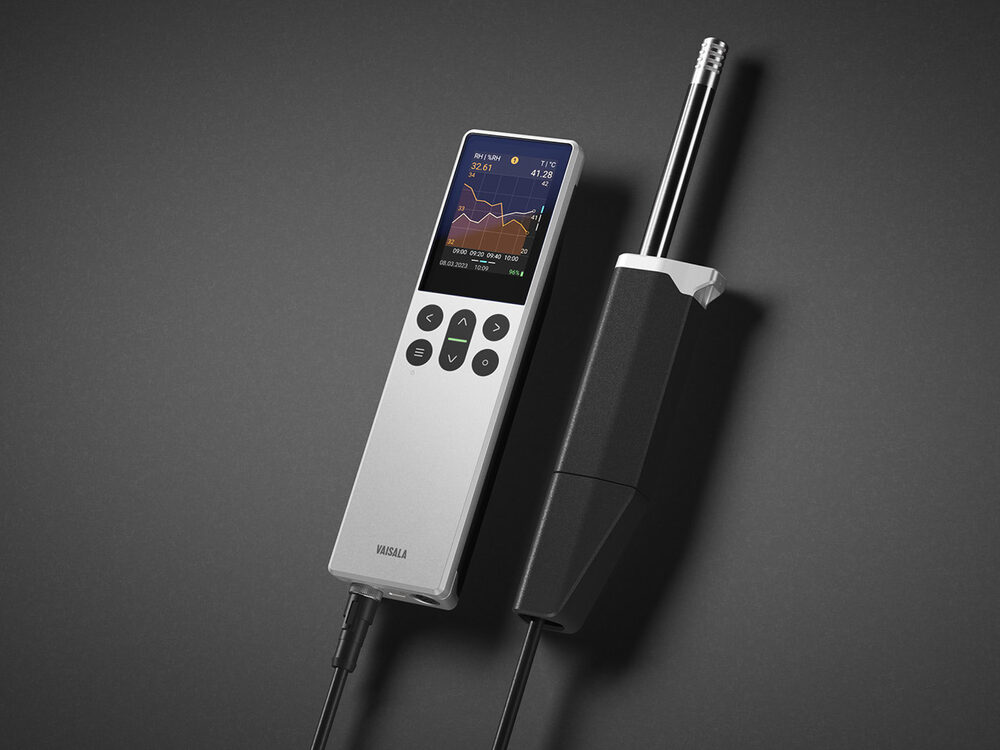 Indigo80 Handheld indicator for Indigo-compatible probes
 -
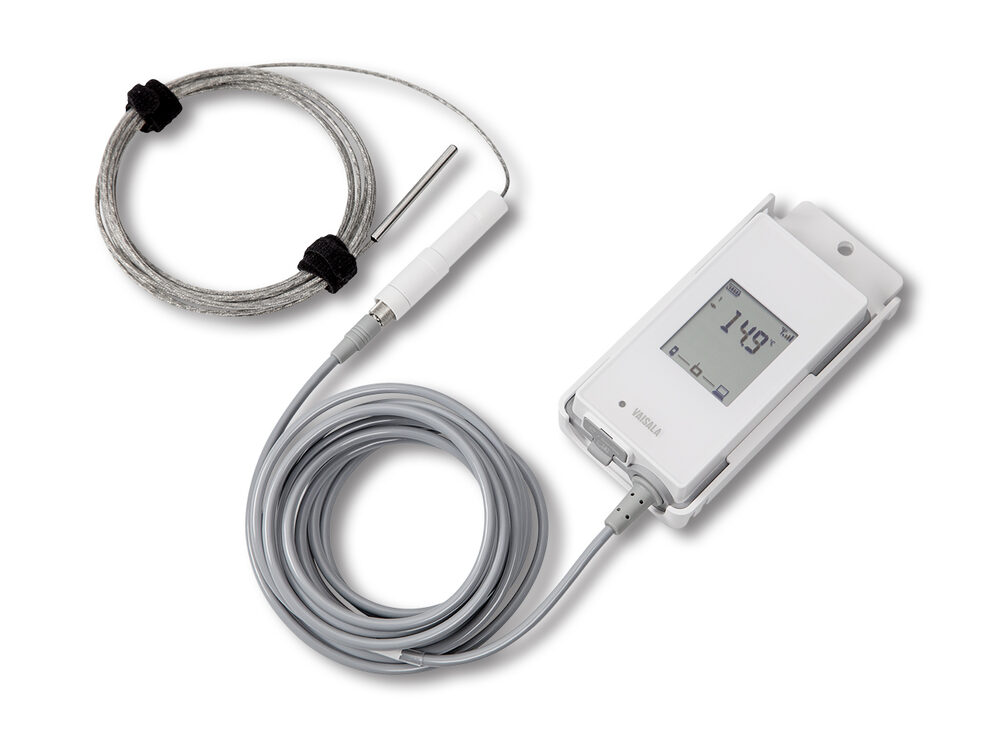 RFL100 VaiNet wireless data logger for continuous monitoring
 -
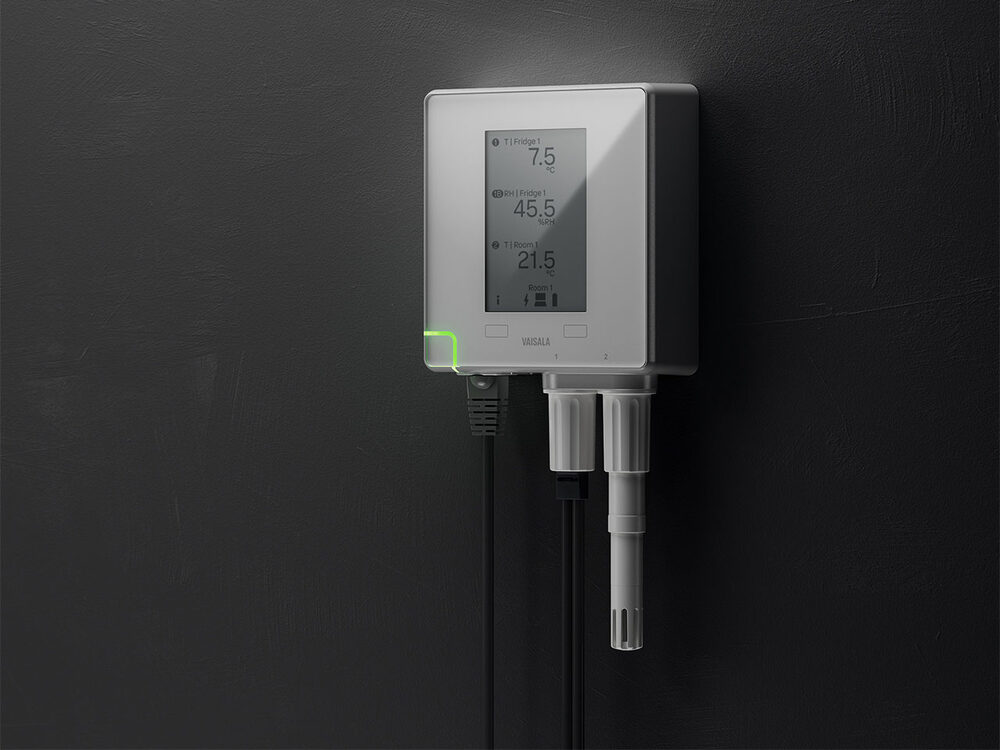 VDL200 Multi-parameter PoE data logger for continuous monitoring
 -
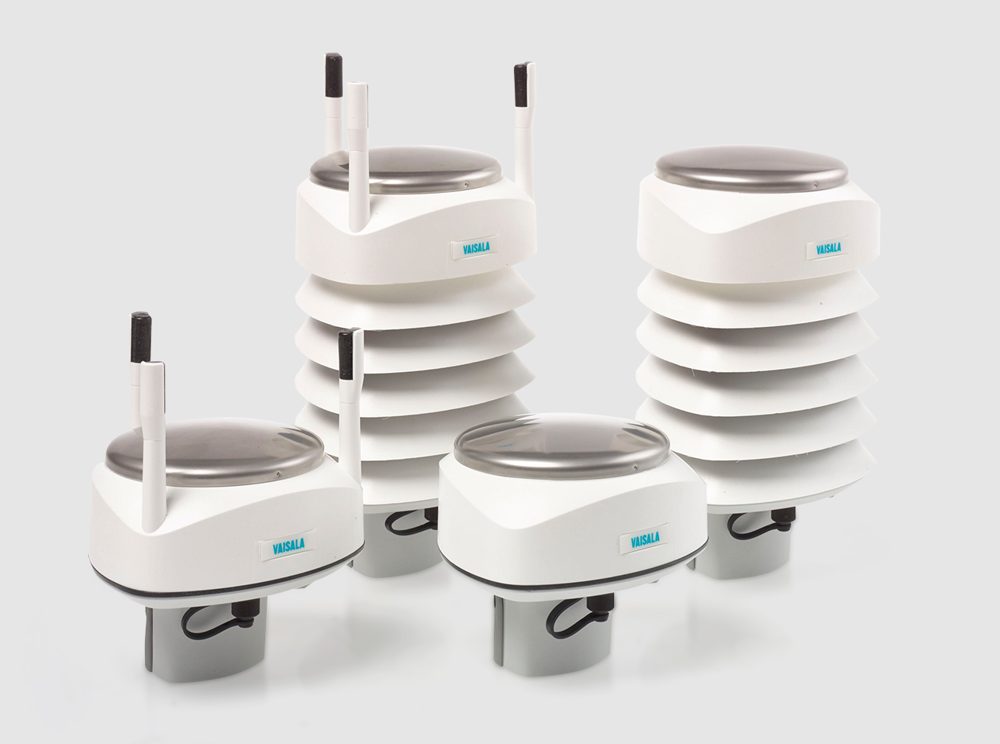 WXT530 Compact multi-parameter weather transmitter series
¿Querés profundizar sobre este tema?
Nuestros especialistas pueden asesorarte en detalle sobre su aplicación en tu proceso.