
Humidity in Industrial Baking
Why oven humidity defines bread color, texture and shelf life, what happens with too much or too little humidity, and how to measure reliably at the high temperatures of the process.
In industrial baking it isn't enough to bake at the right temperature: the humidity level inside the oven is the other half of the recipe. For the general context of this magnitude, see the humidity instrumentation landing.
The humidity of the baking air takes part in the very reactions that define the final product: crust formation, color, flavor and texture. Controlling it stops being an artisanal adjustment and becomes a measurable process variable.
This note covers
- Why humidity defines the quality of baked bread
- What happens with too much or too little oven humidity
- How to measure reliably at high temperature
Why Humidity Defines Bread Quality
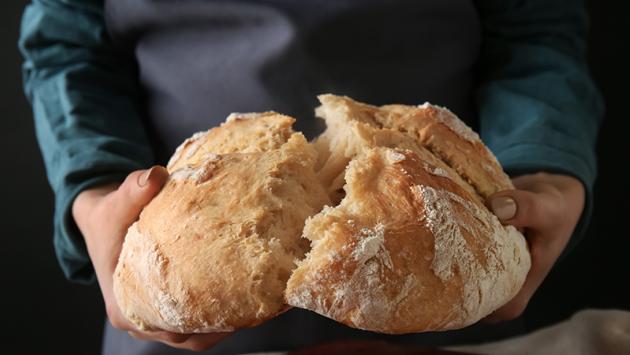
During baking, water in the product migrates to the surface and evaporates into the oven air. The speed of that migration — governed by the humidity of the air surrounding the product — determines how the crust forms and how much water the crumb retains. If the oven's humidity profile doesn't match the recipe, the bread's color, flavor and texture suffer and batch yield drops.
On an industrial line that variability multiplies: the same product can come out differently depending on the oven zone, the moment in the shift or the line load. Measuring the humidity of the baking air is what makes the same result reproducible batch after batch.
Too Much and Too Little: the Two Failure Modes
With excessive humidity, the product surface can't dry at the required rate: the crust doesn't turn crisp, the product retains more water than specified and its shelf life shortens — bread that leaves the oven too moist is bread that spoils sooner.
With insufficient humidity the opposite happens: the product over-dries, loses sellable weight — batch yield drops — and the oven spends energy evaporating water the product was supposed to keep. Over-drying is also one of the most common energy wastes in thermal processes: the same mechanism we analyze in the dew point in industrial drying note.
The optimum — product within specification at minimum energy — can only be sustained by measuring process humidity continuously, not by inferring it from the behavior of the finished product.
Measuring at Oven Temperatures
The technical challenge is that the inside of an industrial oven is a hostile environment for a humidity sensor: very high temperatures, steam and particles. Under those conditions relative humidity stops being a practical variable, and it's better to measure in terms of dew point or absolute humidity, with probes designed to operate hot.
Vaisala documents the use of DRYCAP® dew point and temperature probes — designed for high-temperature drying processes — to bring humidity control directly into the oven air, with long-term stability and no dependence on manual sampling. The benefit is twofold: less out-of-specification product and less energy wasted on over-baking.
This technical content is based on Vaisala's documentation on humidity measurement in industrial baking. AKRIBIS is an authorized Vaisala partner for distribution and technical support in the region — explore the full Vaisala instrumentation line. To define the measurement point on your baking line, consult a specialist.
Instruments to Measure Humidity
-
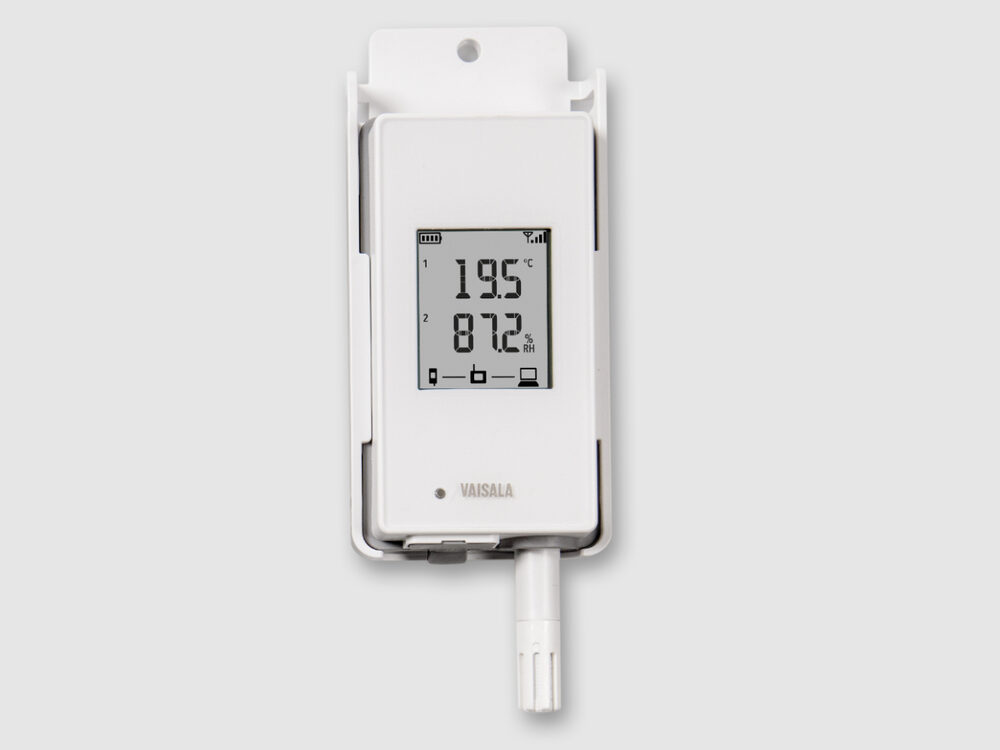 CWL100 Cloud wireless data logger for temperature and humidity
 -
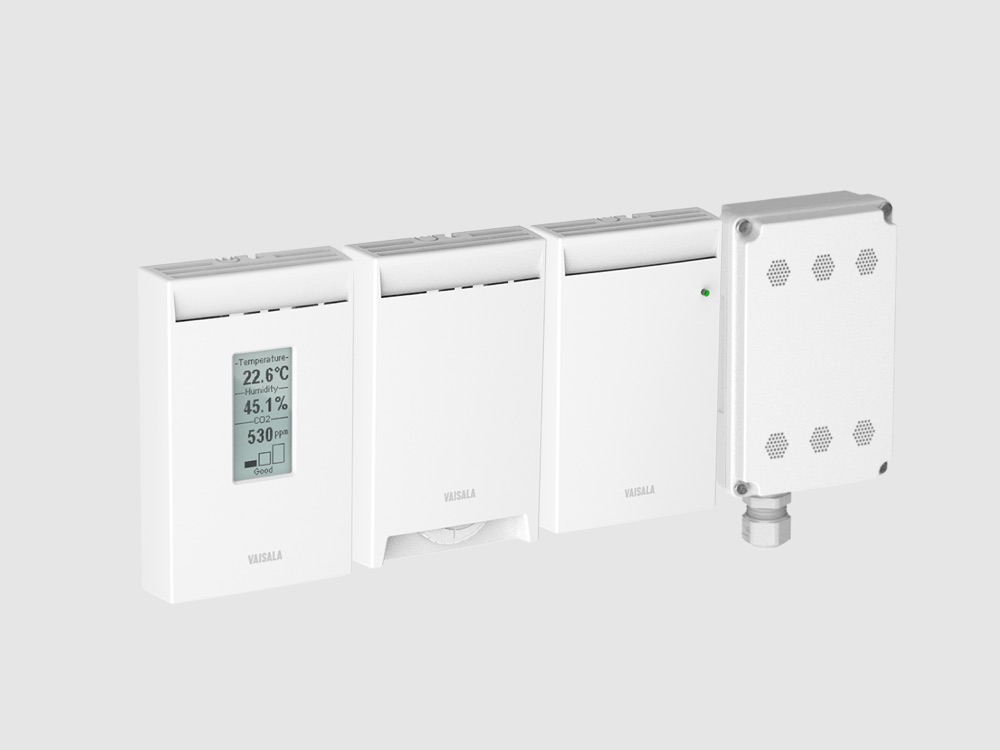 GMW80 Wall-mounted CO2, humidity and temperature transmitter for indoor air quality
 -
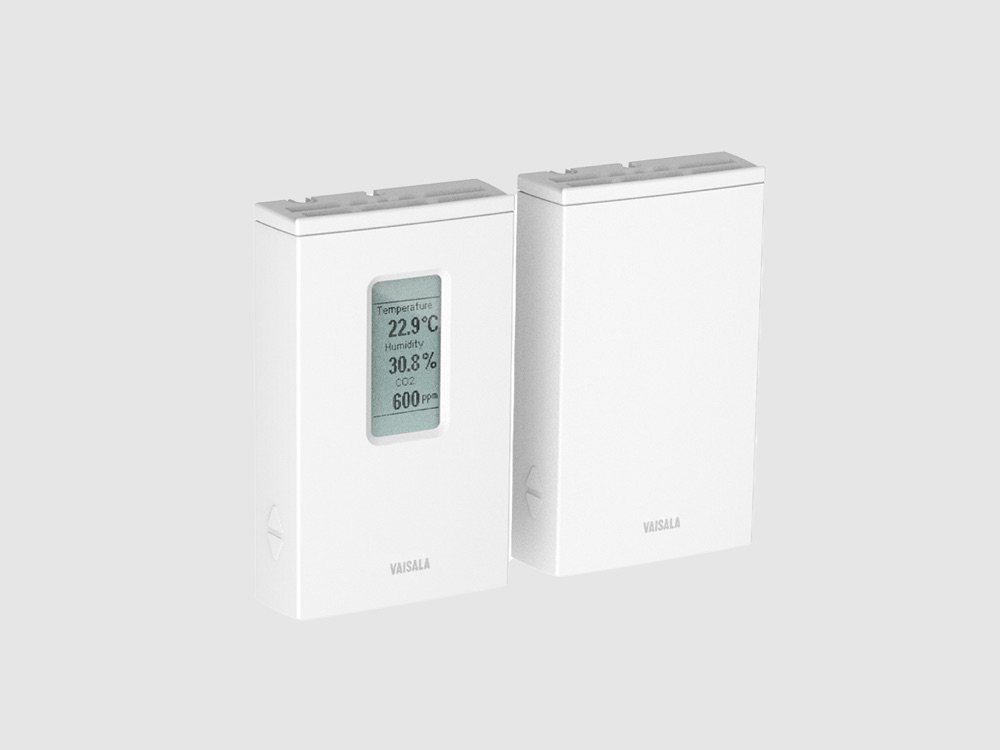 GMW90 Wall-mounted CO2 transmitter for green building projects
 -
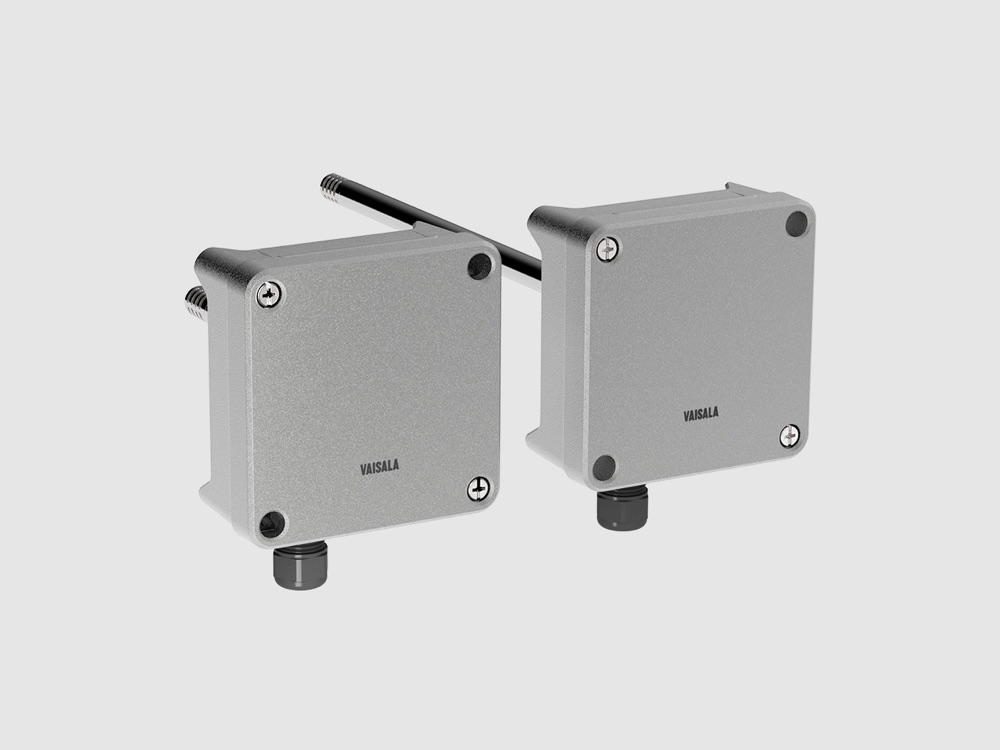 HMD60 Duct humidity and temperature transmitter for HVAC
 -
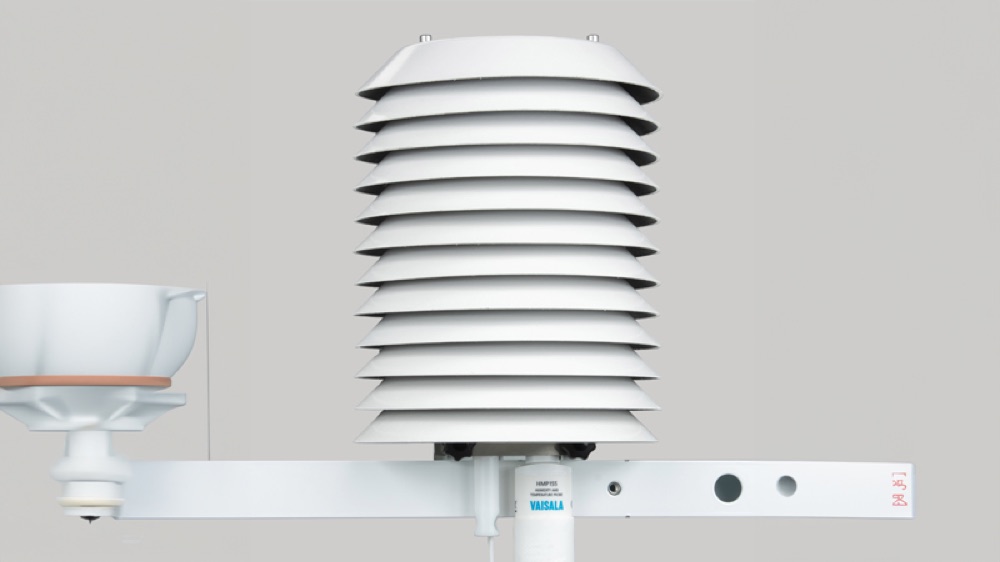 HMP155 HUMICAP® humidity and temperature probe for harsh environments
 -
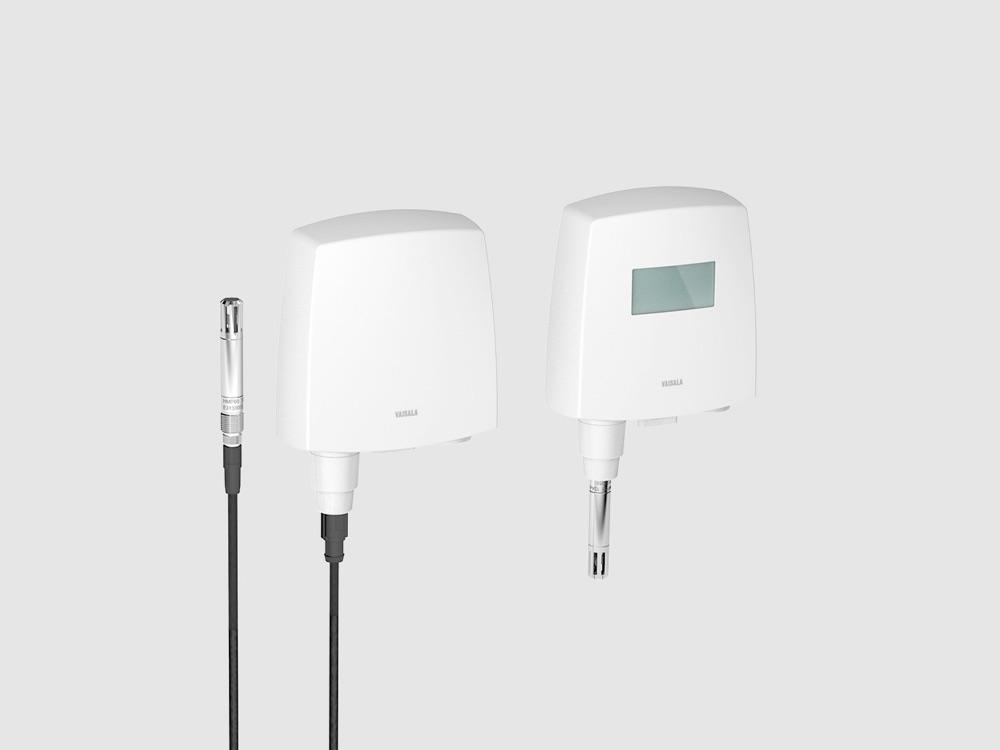 HMT120/130 Humidity and temperature transmitters with exchangeable probe for cleanrooms
 -
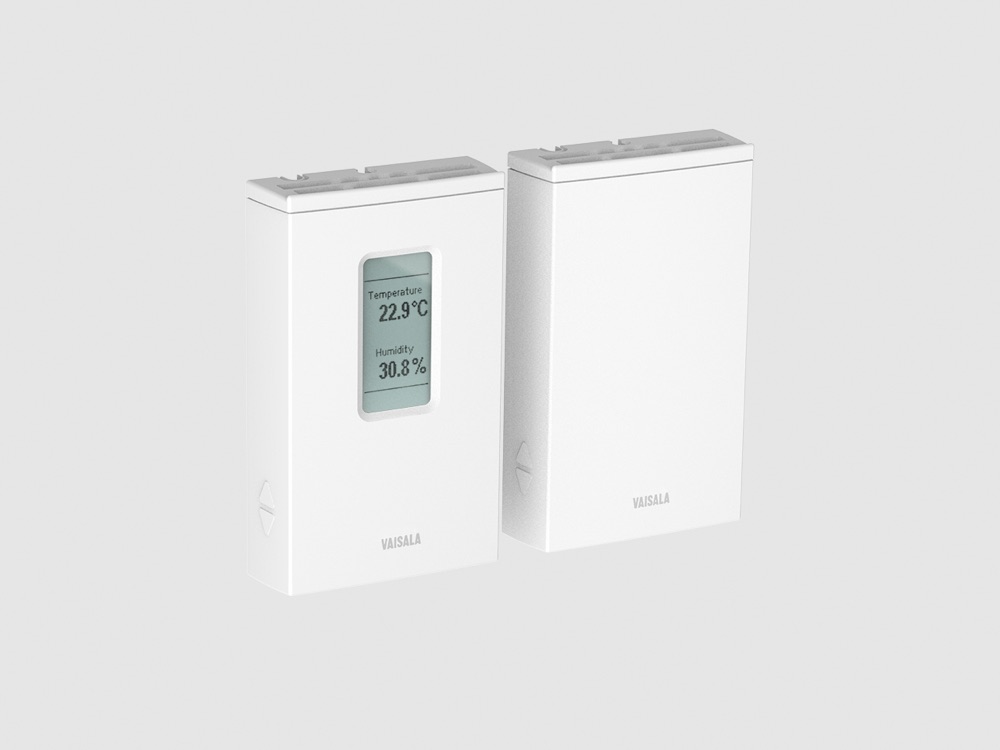 HMW90 Wall-mount humidity and temperature transmitters for building automation
 -
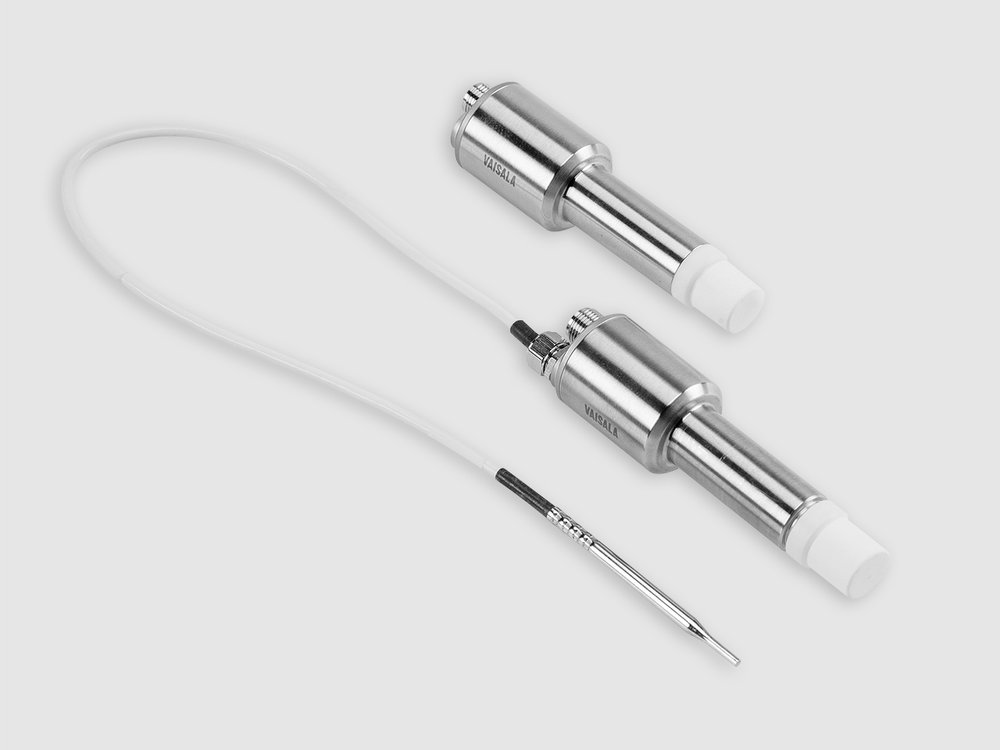 HPP270 PEROXCAP® vaporized hydrogen peroxide probe for bio-decontamination
 -
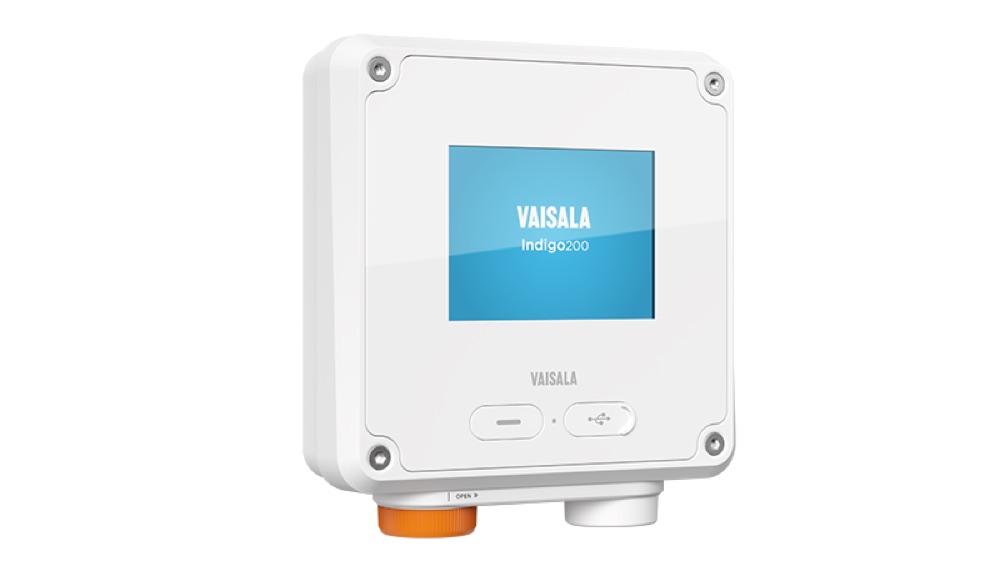 Indigo200 Compact single-probe transmitter for the Indigo ecosystem
 -
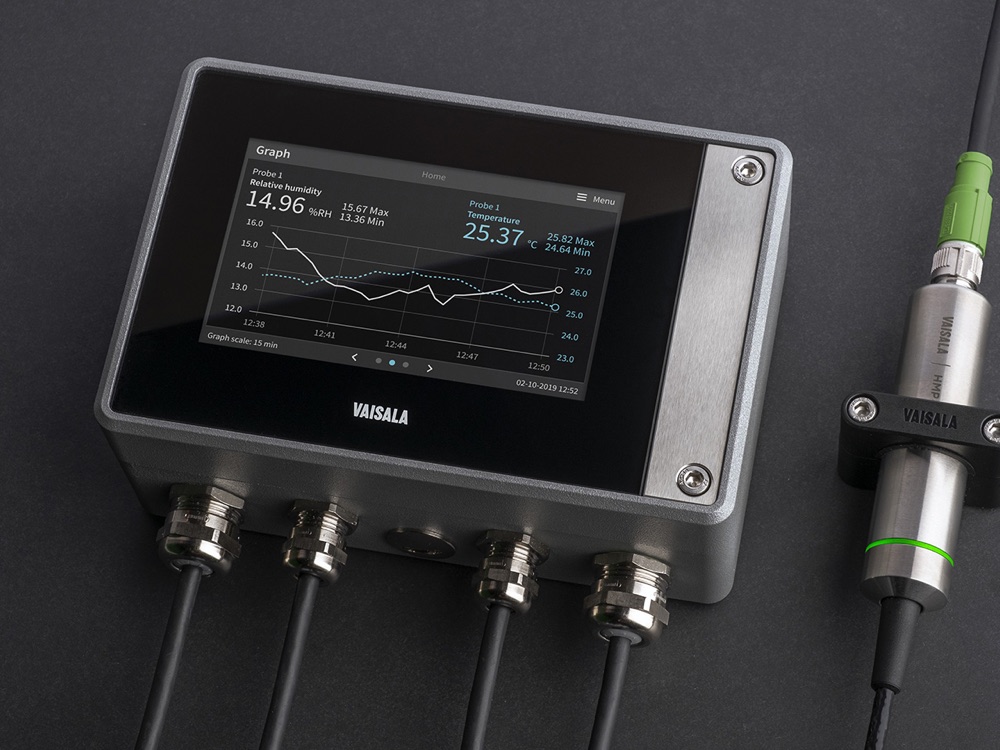 Indigo500 Universal transmitter for Indigo-compatible probes
 -
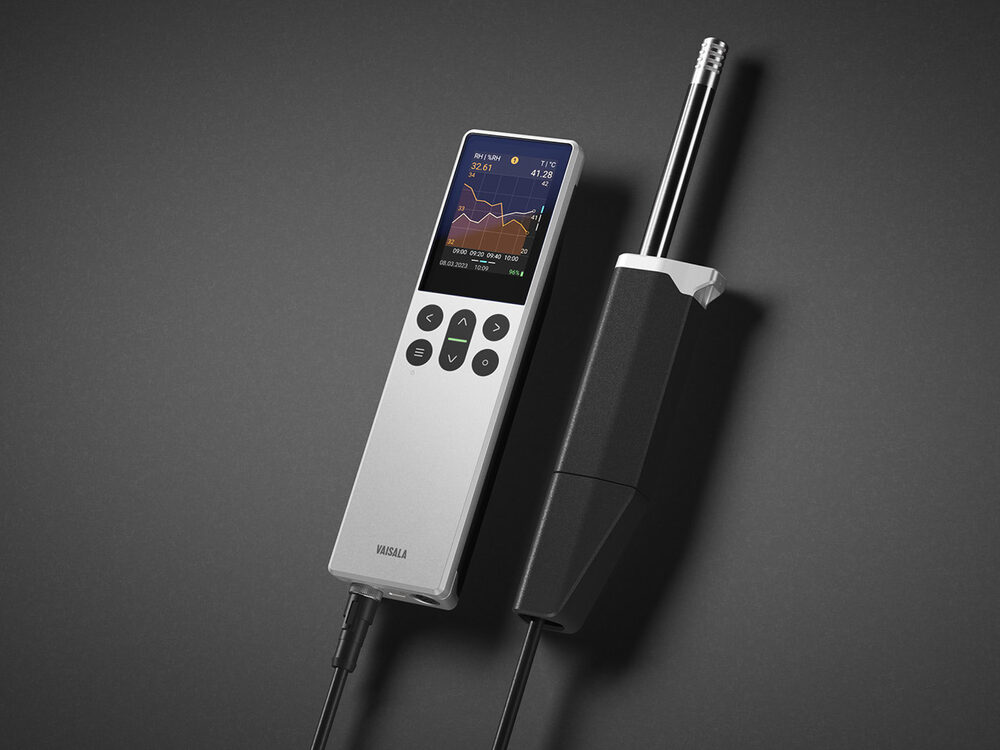 Indigo80 Handheld indicator for Indigo-compatible probes
 -
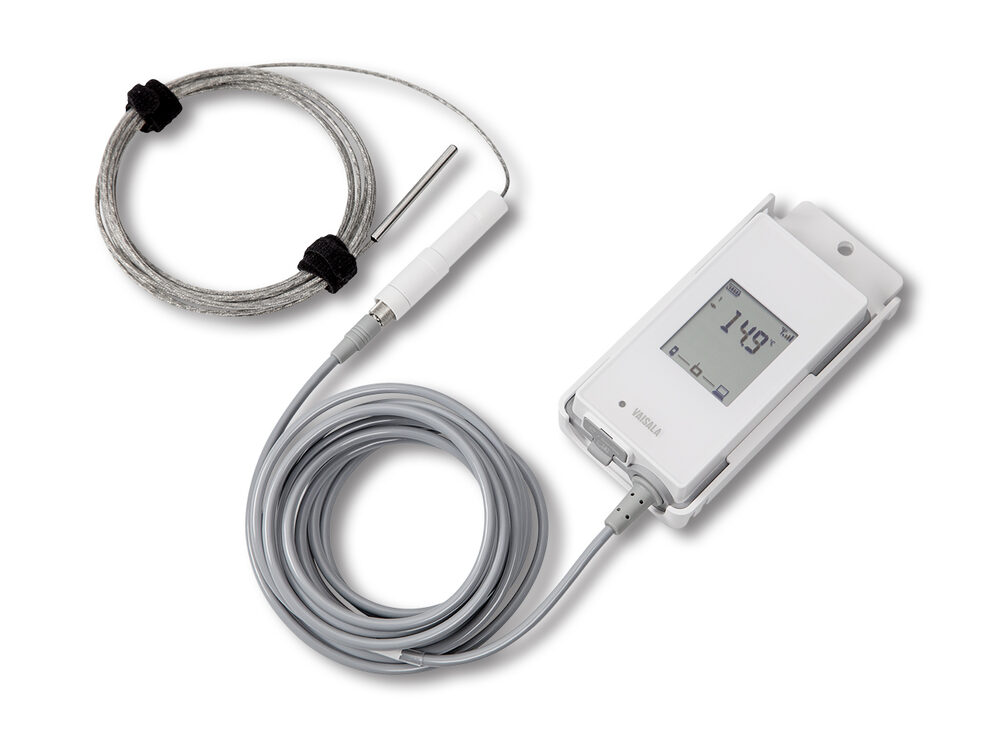 RFL100 VaiNet wireless data logger for continuous monitoring
 -
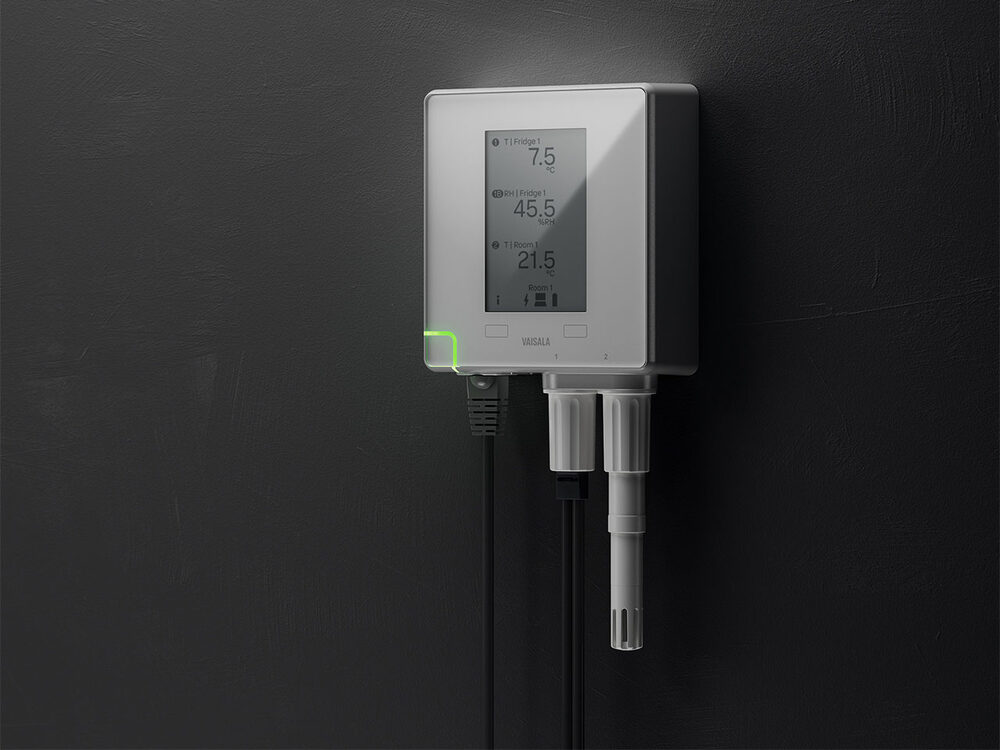 VDL200 Multi-parameter PoE data logger for continuous monitoring
 -
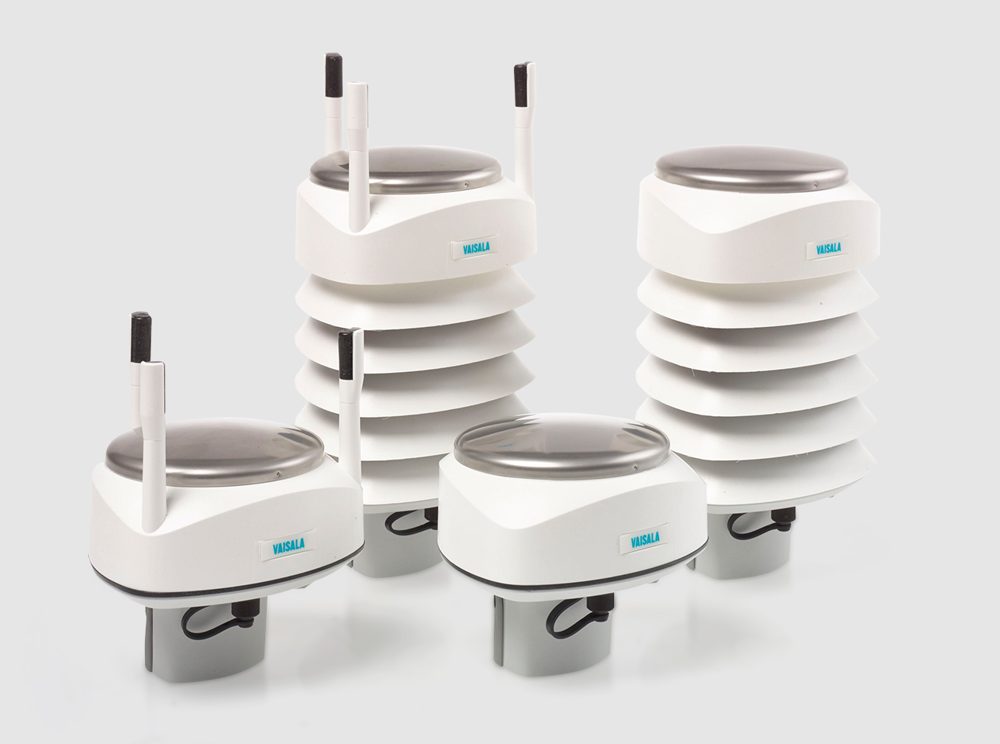 WXT530 Compact multi-parameter weather transmitter series
¿Querés profundizar sobre este tema?
Nuestros especialistas pueden asesorarte en detalle sobre su aplicación en tu proceso.