
Dew Point in Industrial Drying
Why industrial drying — such as spray drying — seeks the right balance between product quality and energy consumption, and why different technology is needed to measure relative humidity and dew point in very dry air.
Industrial drying — dairy and food spray drying, process ovens, paint booths — depends on a precise balance between the drying air's humidity and the final product's. For the general context of this magnitude, see the humidity instrumentation landing.
Over-drying wastes energy; under-drying compromises microbiological safety and product quality. That balance only holds with reliable humidity measurement at different points in the process.
This note covers
- Why industrial drying seeks the right balance between quality and energy consumption
- What variables are controlled during a drying process — beyond relative humidity
- Why HUMICAP® and DRYCAP® cover different humidity ranges within the same process
The Balance Between Quality and Energy
Proper drying prevents microbial growth and keeps the product safe for consumption — that's the non-negotiable floor. But from there, the goal becomes minimizing energy use without sacrificing quality: the key is to increase input volume or humidity levels just enough to minimize energy usage, but not so much that end-product quality suffers.
That fine-tuning is only possible if humidity measurement in the drying air and the product itself is accurate enough to operate close to the limit, instead of leaving a wide safety margin that wastes energy.
What Variables Are Controlled During Drying
A well-instrumented industrial drying process monitors several related parameters: the product's sticky point, the adsorption isotherm, the glass transition point (Tg), exhaust air relative humidity, and dew point in the drier zones of the process.
Each of these parameters defines a different operating limit — a single generic ambient humidity reading isn't enough to make real-time process decisions.
Why HUMICAP® and DRYCAP® Cover Different Ranges
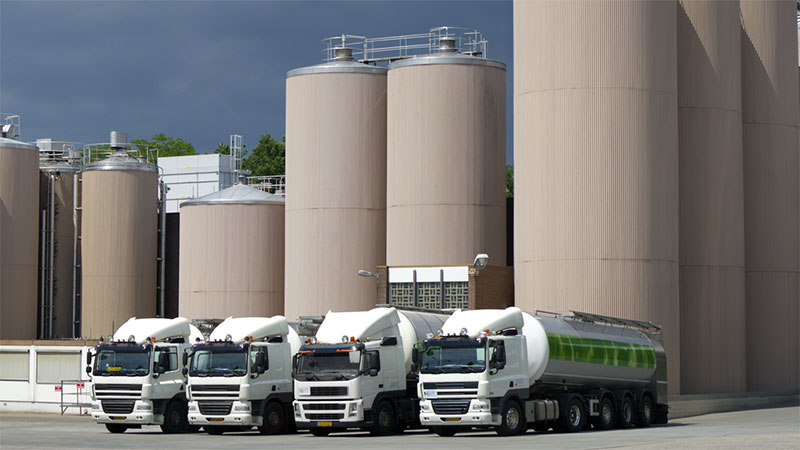
Vaisala's HUMICAP® technology delivers the stable, accurate relative humidity measurement needed to develop cost- and energy-efficient manufacturing processes, in the stretches of the process where humidity stays within moderate-to-high ranges.
In the very dry air zones — where dew point rather than relative humidity needs to be measured, or trace residual moisture — Vaisala uses DRYCAP® technology, specialized in low-humidity and dew point applications. Combining both technologies at the right points in the process is what allows energy consumption to drop without losing consistency in product quality.
This technical content is based on Vaisala's documentation on industrial drying and spray drying process monitoring. AKRIBIS is an authorized Vaisala partner for distribution and technical support in the region — explore the full Vaisala instrumentation line. For the specific probe for your drying process, consult a specialist.
Instruments to Measure Humidity
-
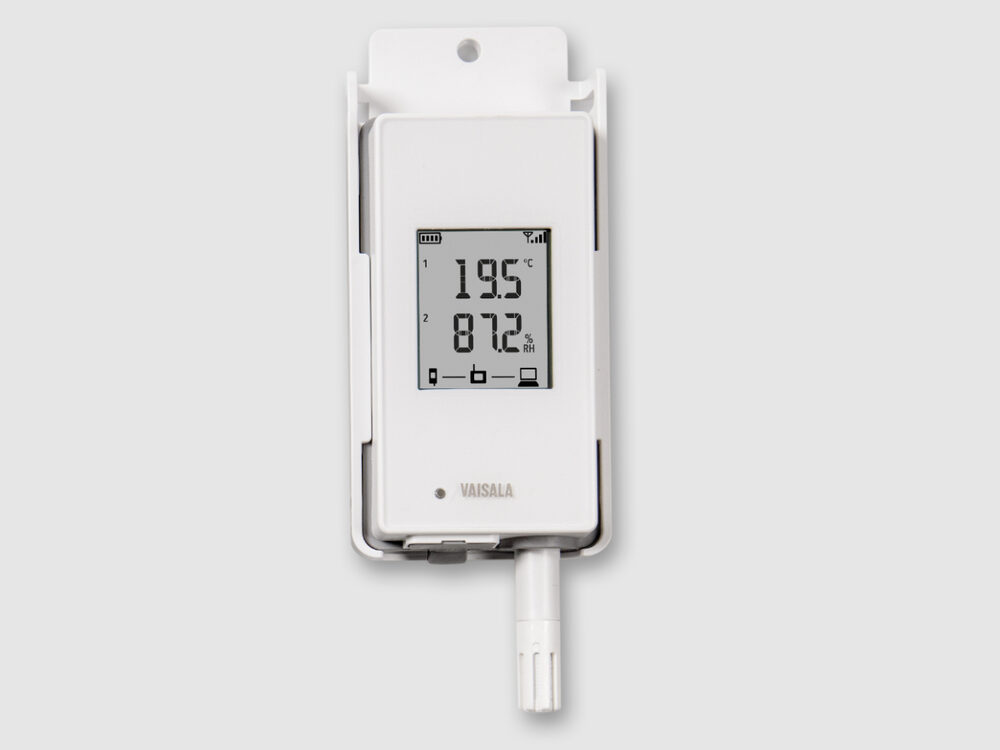 CWL100 Cloud wireless data logger for temperature and humidity
 -
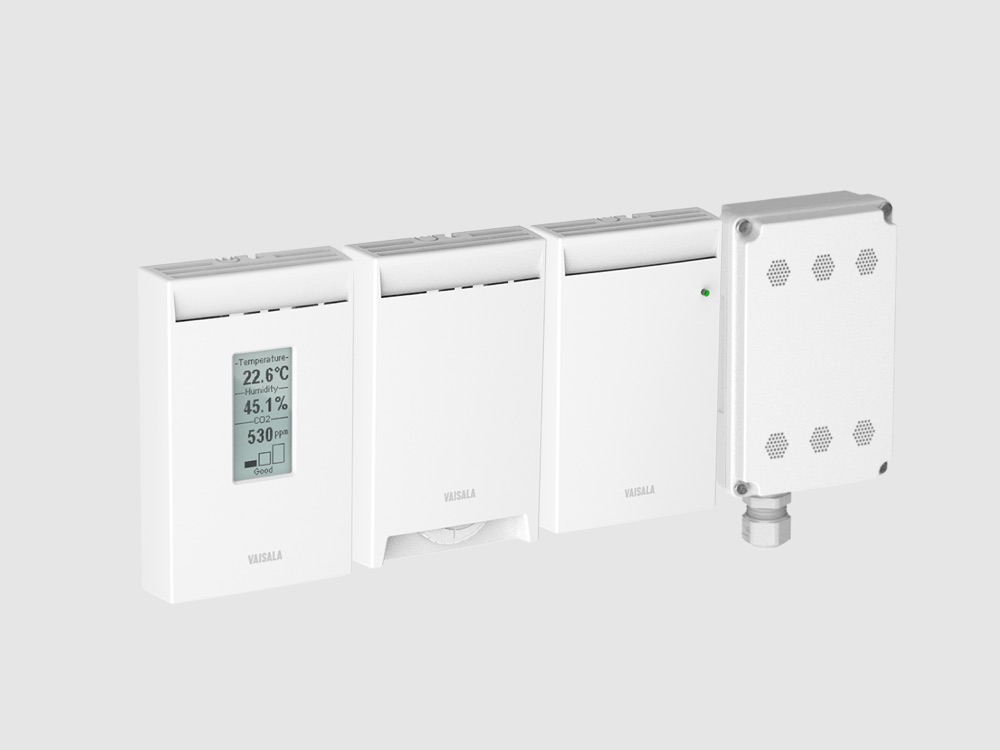 GMW80 Wall-mounted CO2, humidity and temperature transmitter for indoor air quality
 -
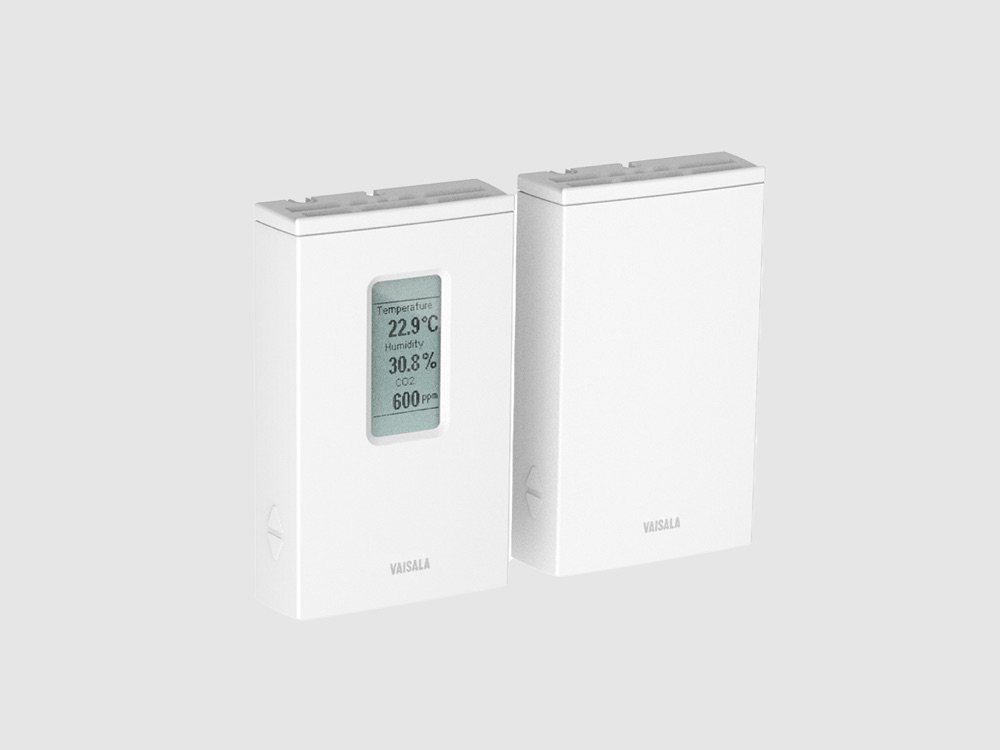 GMW90 Wall-mounted CO2 transmitter for green building projects
 -
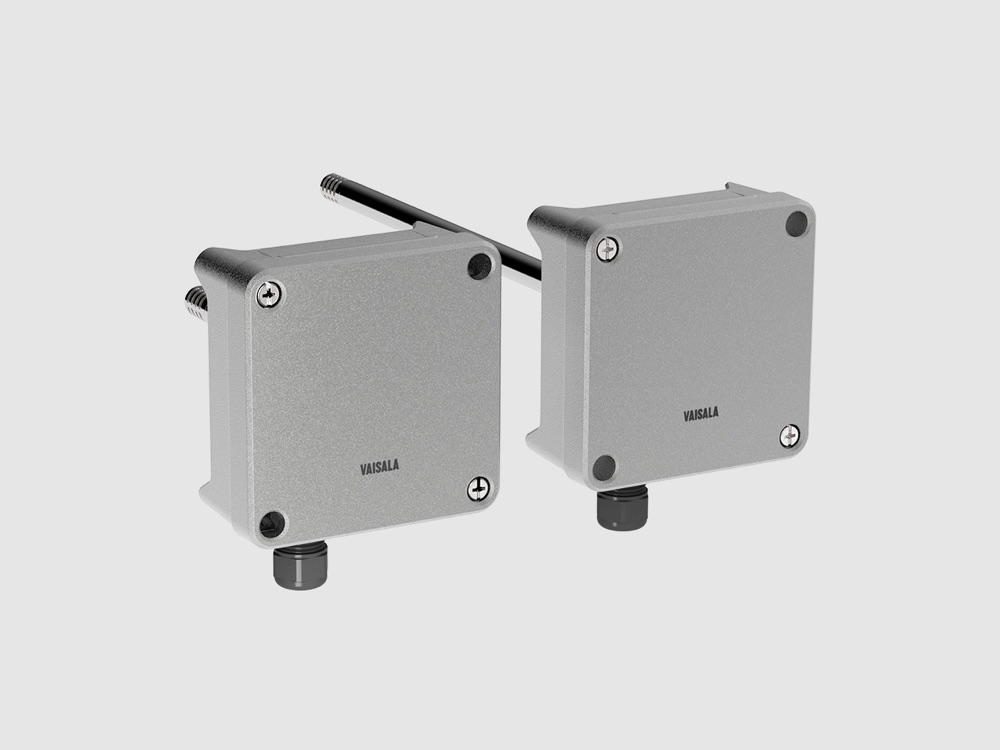 HMD60 Duct humidity and temperature transmitter for HVAC
 -
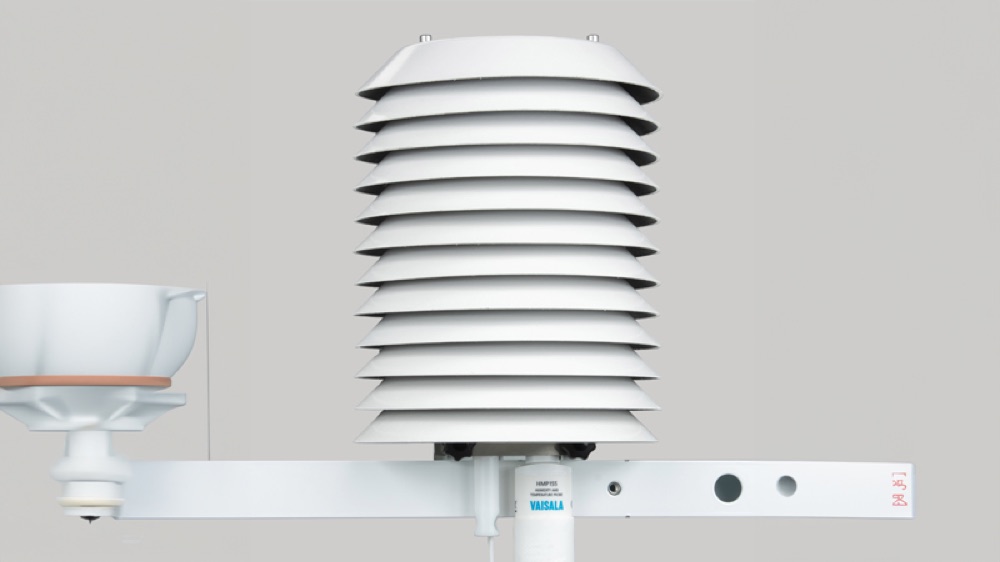 HMP155 HUMICAP® humidity and temperature probe for harsh environments
 -
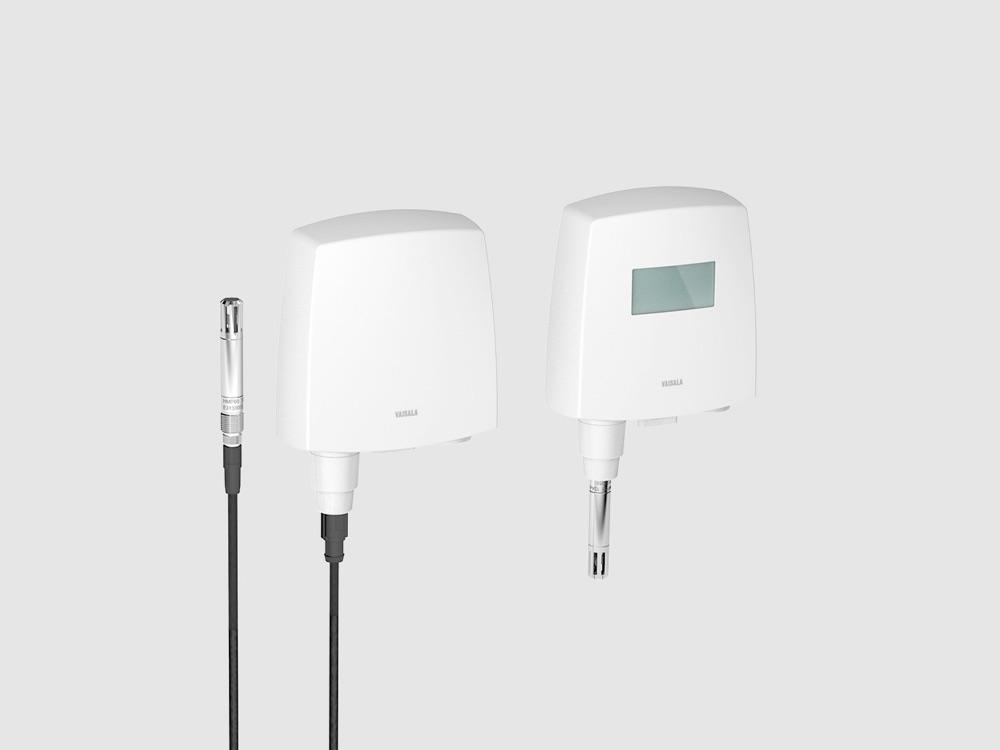 HMT120/130 Humidity and temperature transmitters with exchangeable probe for cleanrooms
 -
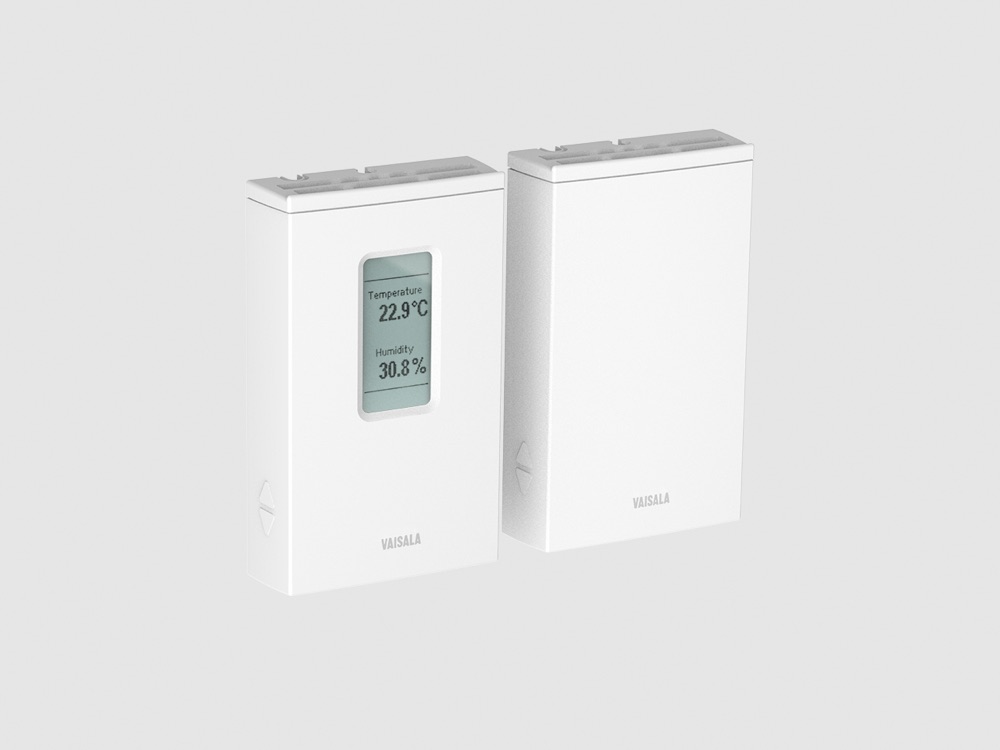 HMW90 Wall-mount humidity and temperature transmitters for building automation
 -
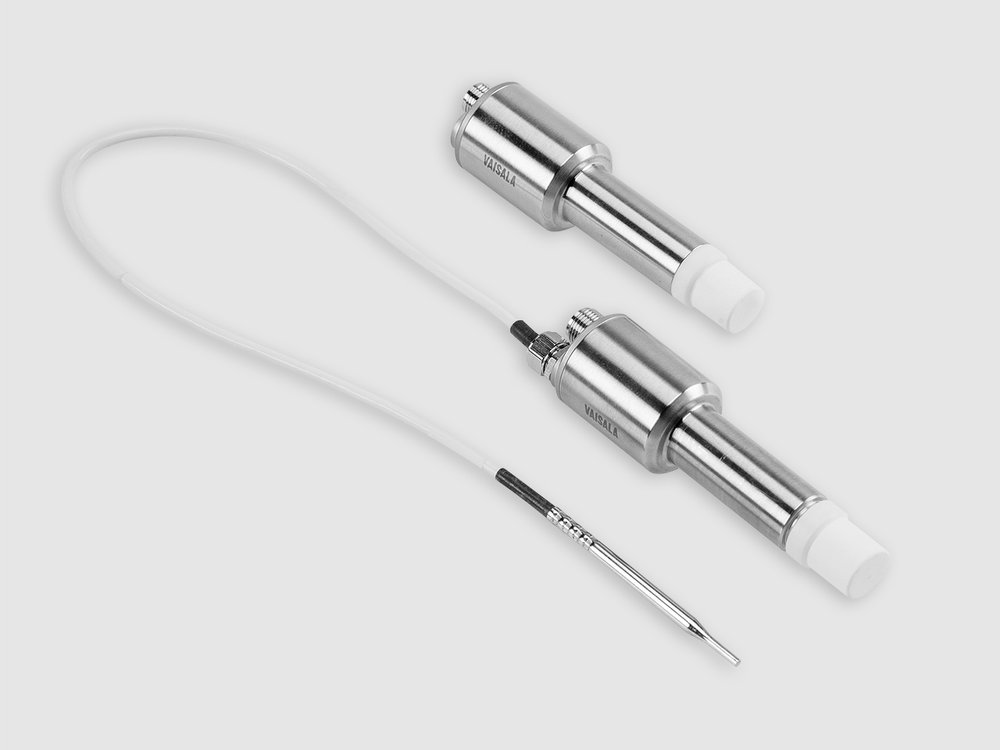 HPP270 PEROXCAP® vaporized hydrogen peroxide probe for bio-decontamination
 -
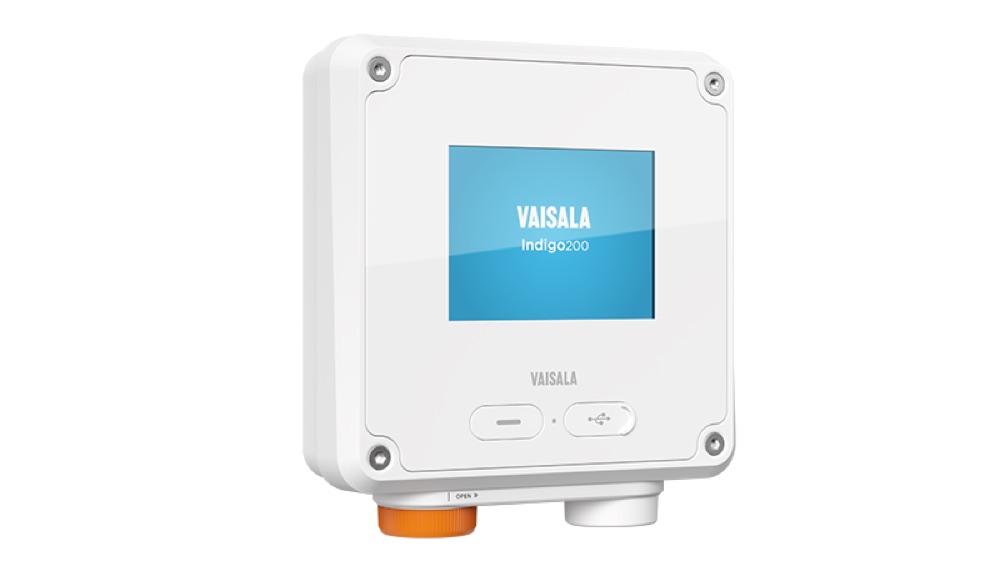 Indigo200 Compact single-probe transmitter for the Indigo ecosystem
 -
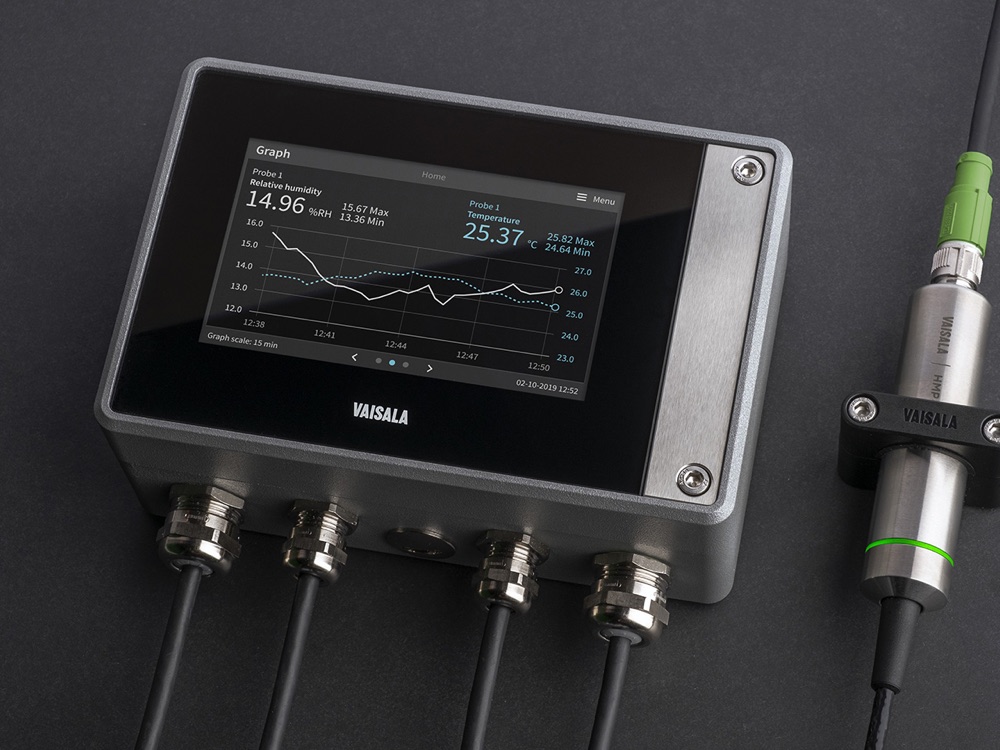 Indigo500 Universal transmitter for Indigo-compatible probes
 -
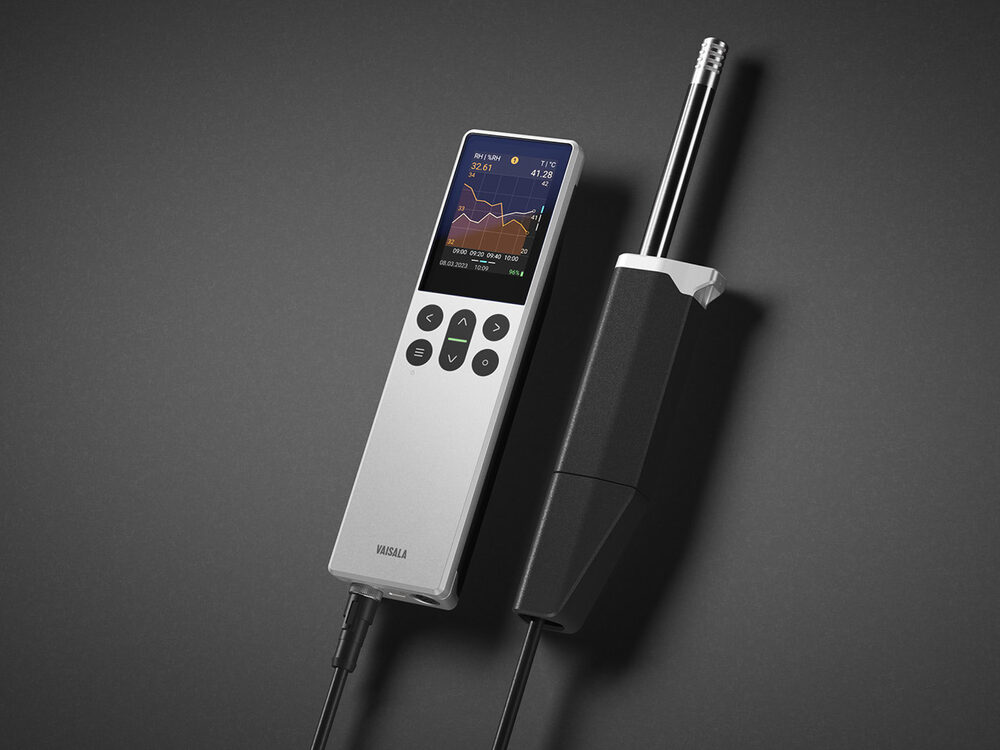 Indigo80 Handheld indicator for Indigo-compatible probes
 -
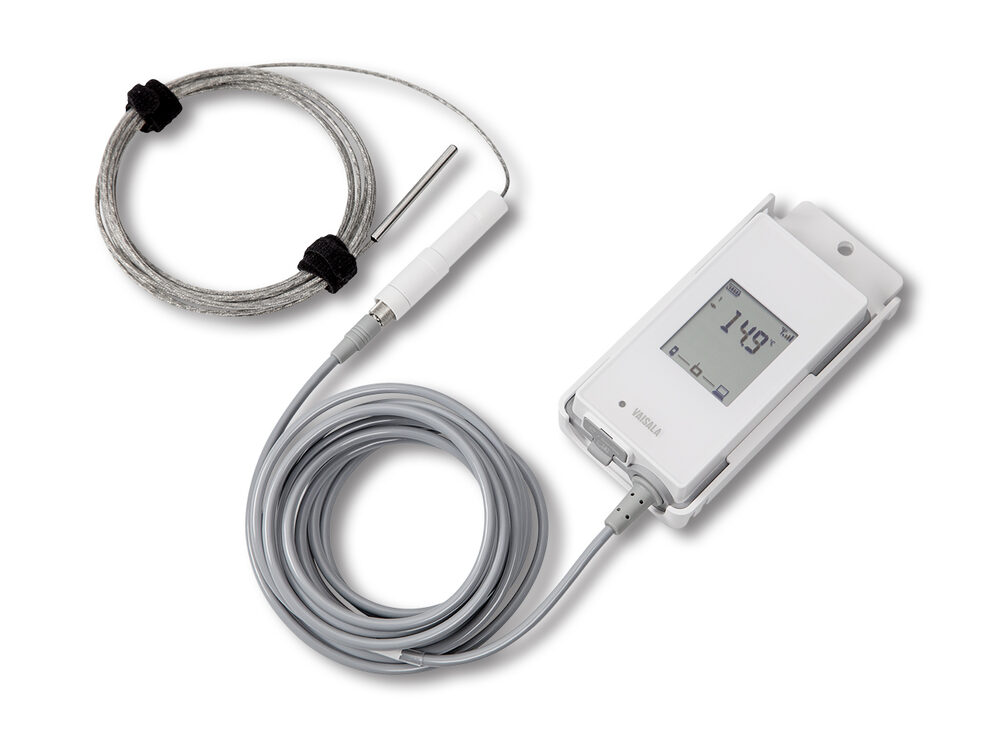 RFL100 VaiNet wireless data logger for continuous monitoring
 -
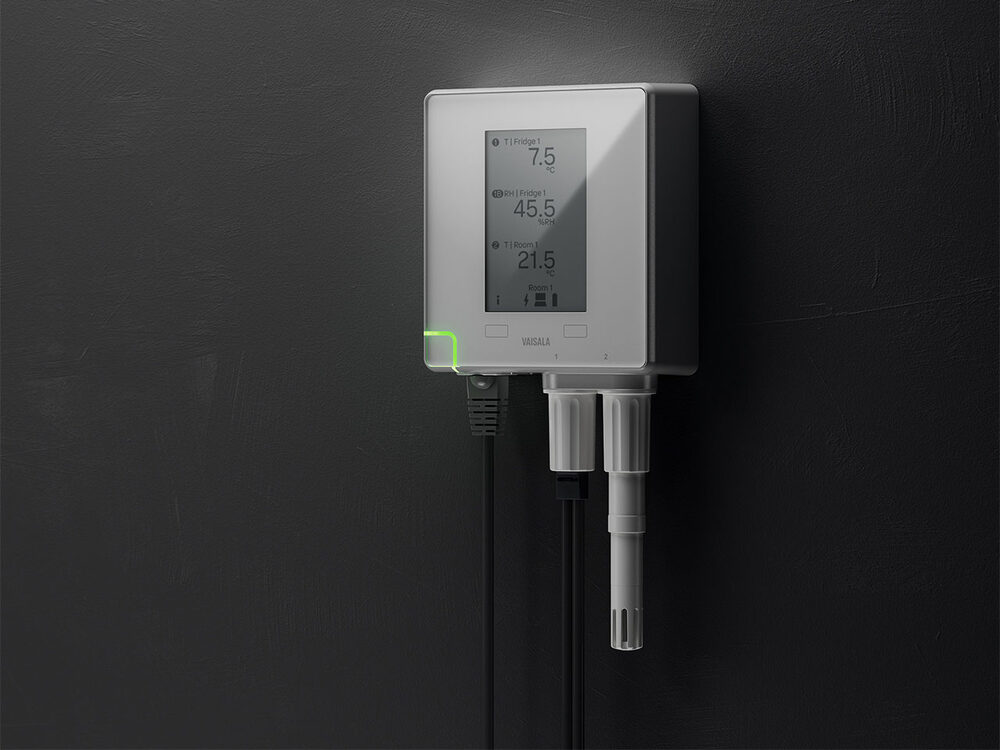 VDL200 Multi-parameter PoE data logger for continuous monitoring
 -
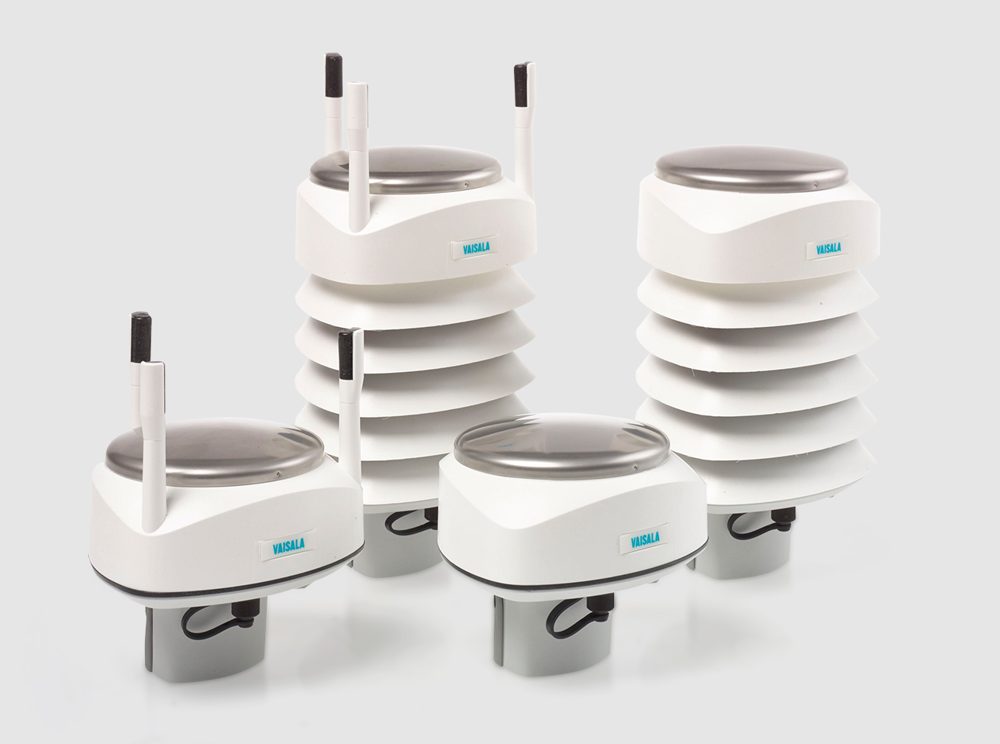 WXT530 Compact multi-parameter weather transmitter series
¿Querés profundizar sobre este tema?
Nuestros especialistas pueden asesorarte en detalle sobre su aplicación en tu proceso.