
Temperature Mapping with the viewLinc Monitoring System
How to perform mapping studies to qualify chambers, warehouses, and equipment using the same continuous monitoring system, with live data and acceptance criteria defined before the study.
Mapping and monitoring are very similar processes: in both, environmental data is collected at regular intervals from field-deployed data loggers. The difference is that in continuous monitoring the devices stay fixed in one location, while in a mapping qualification they are deployed for short periods in locations that change from study to study.
Because of that similarity, temperature mapping qualifications can be performed with the same monitoring software — avoiding dedicated data acquisition equipment, thermocouples, and less robust data loggers.
This note covers
- Why mapping with wireless data loggers lets you watch the study live
- What smart probes bring to calibration logistics
- The mapping procedure and the rules that admit no exception
Live Data: the Study Doesn't Fail Silently
With wireless data loggers connected through Vaisala's VaiNet technology — over 100 meters of indoor range, even in complex manufacturing environments — mapping data can be viewed in real time, from a freezer room to a large ambient warehouse. Because the software is a monitoring system, it can instantly notify you if the data fails to meet acceptance criteria: never again collect your loggers at the end of a study only to learn that it failed.
Live data also lets you detect when the space has reached thermal equilibrium before formally starting the study. And if the connection is interrupted, each logger keeps 30 days of data locally; on reconnection, the software downloads it automatically through the backfill process.
Smart Probes and Calibration Logistics
The RFL-series wireless data loggers use smart probes: independent measurement devices that store their calibration data in on-board memory and perform A/D conversion locally. The practical consequence is that only the probe needs calibration, not the logger.
After a study, the probes are removed for post-study calibration verification, and the logger body receives a calibrated probe to be deployed immediately in the next study — the units never go out of service. With a fixed 1-minute sample rate, NTP synchronization, an 18-month battery life on standard AA cells, and ranges down to −196 °C with a remote probe, the same fleet covers everything from ultra-low temperature freezers to entire warehouses.
The Procedure, and the Rules That Admit No Exception
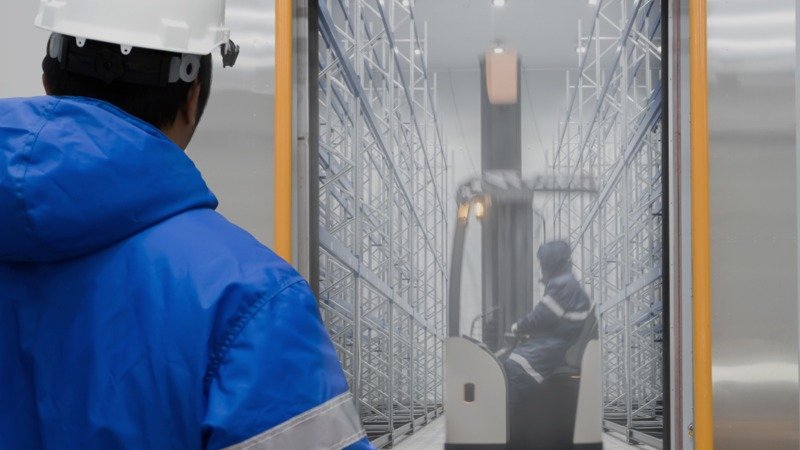
The viewLinc procedure is brief: install and validate the software with its IQOQ protocol (once), register the data loggers (once), create virtual “Locations” for each study point and link them to the loggers, define acceptance criteria with a threshold alarm template, deploy, verify equilibrium, run the study, and generate the alarm history and location history reports.
Two rules are inflexible. First: acceptance criteria must be set before the study is performed — the software does not allow alarm thresholds to be created retroactively. Second: two reports are needed for complete evidence — the alarm history identifies excursions that violated the criteria, and the location history provides raw and statistical data with maximums and minimums per point. For advanced analysis, data can be exported to a spreadsheet.
This technical content is based on Vaisala's application note on temperature mapping with the viewLinc system. AKRIBIS is an authorized Vaisala partner for distribution and technical support in the region — explore the full Vaisala instrumentation line. To design the mapping study for your chamber or warehouse, consult a specialist.
Monitoring system components
-
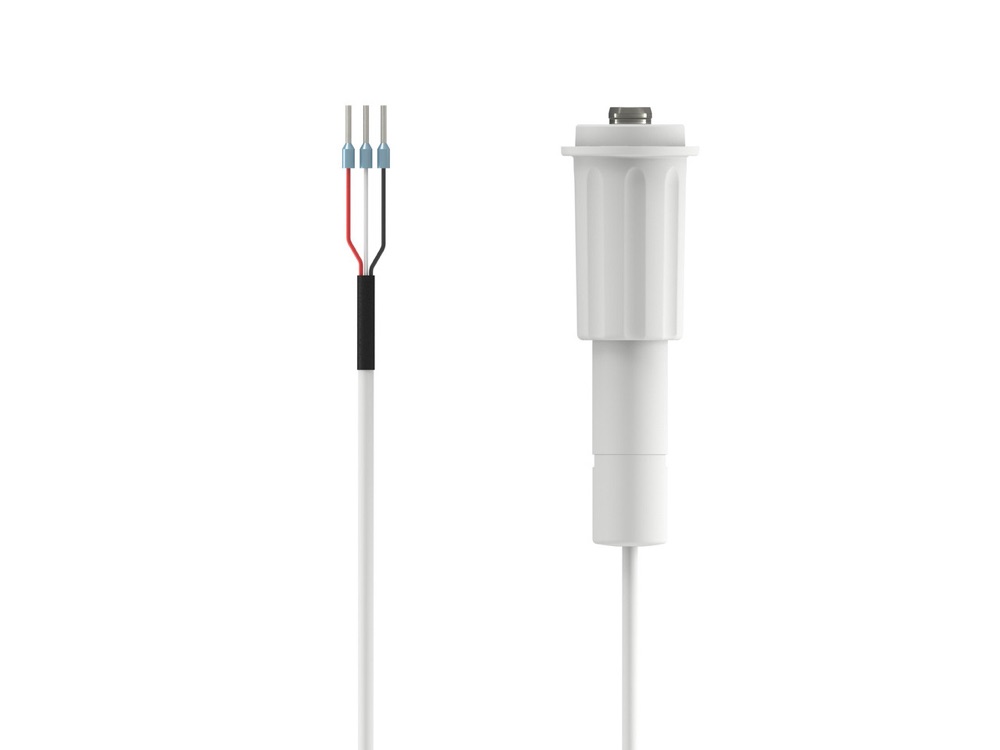 ANP115 Analog input probe for integrating third-party sensors
 -
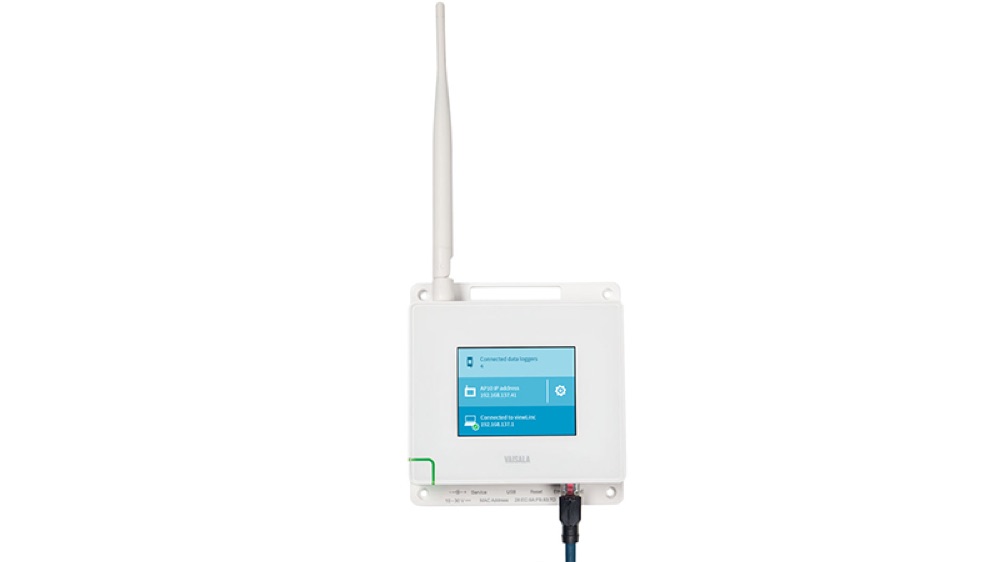 AP10 VaiNet wireless access point for monitoring systems
 -
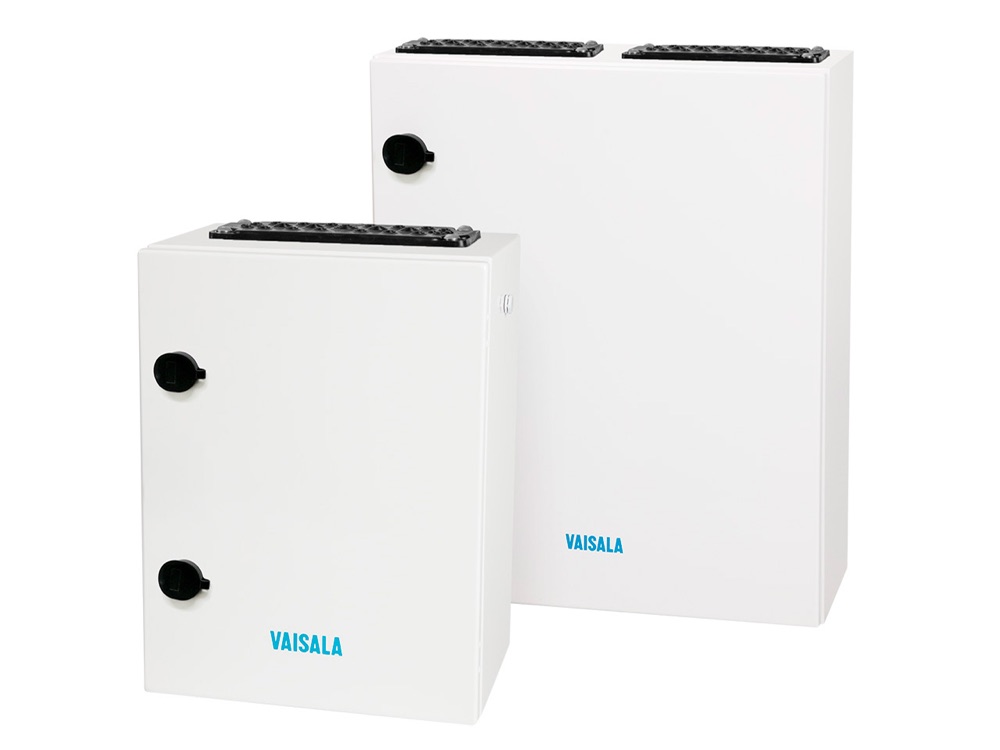 CAB100 Pre-configured industrial cabinet for continuous monitoring
 -
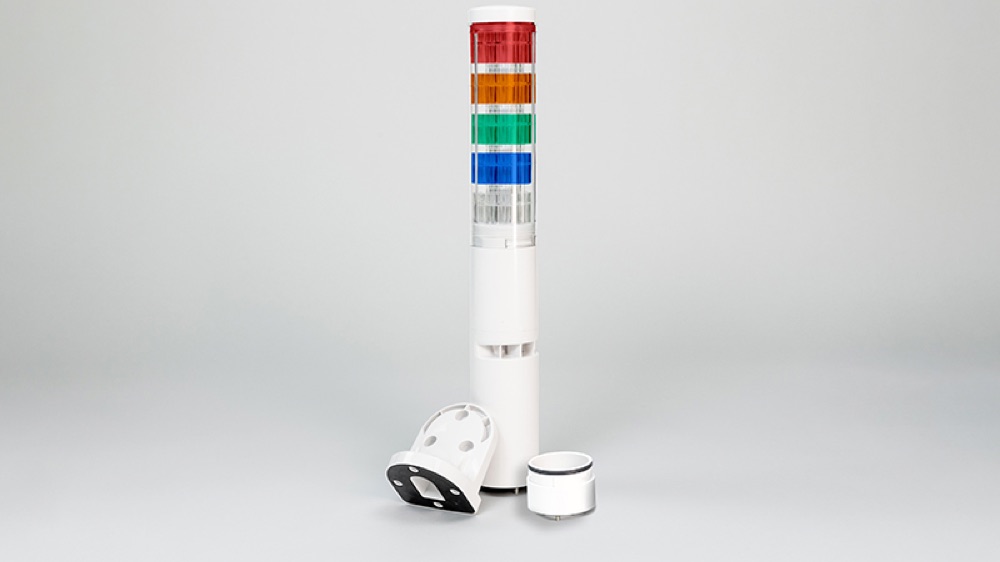 CMS Signal Tower Visual and audible alarm tower for the viewLinc system
 -
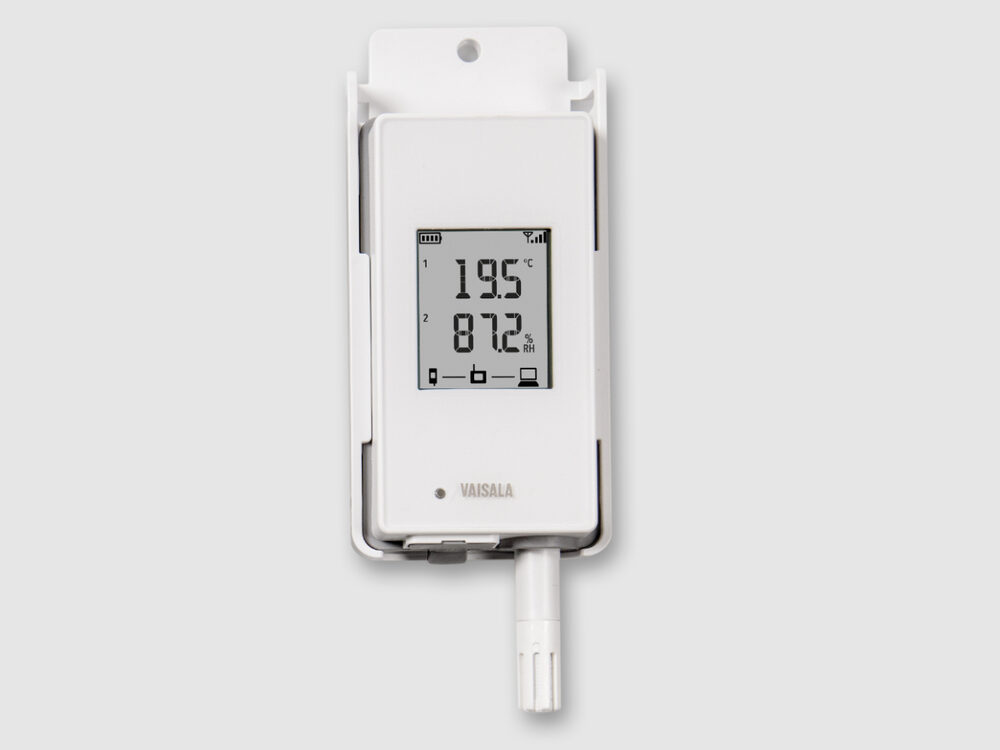 CWL100 Cloud wireless data logger for temperature and humidity
 -
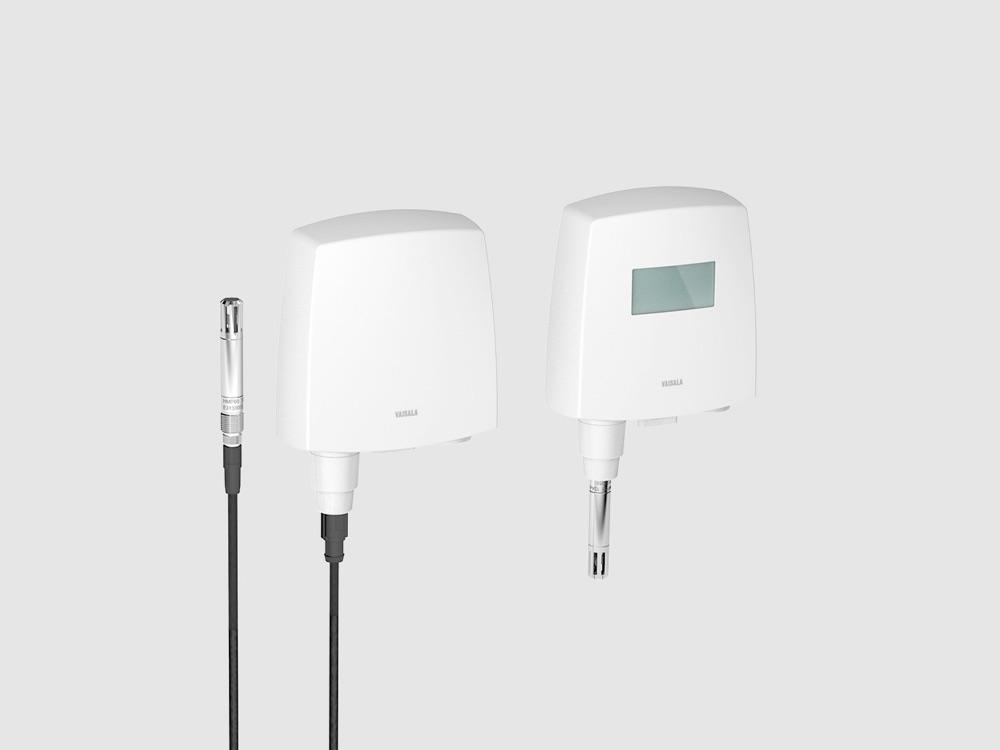 HMT120/130 Humidity and temperature transmitters with exchangeable probe for cleanrooms
 -
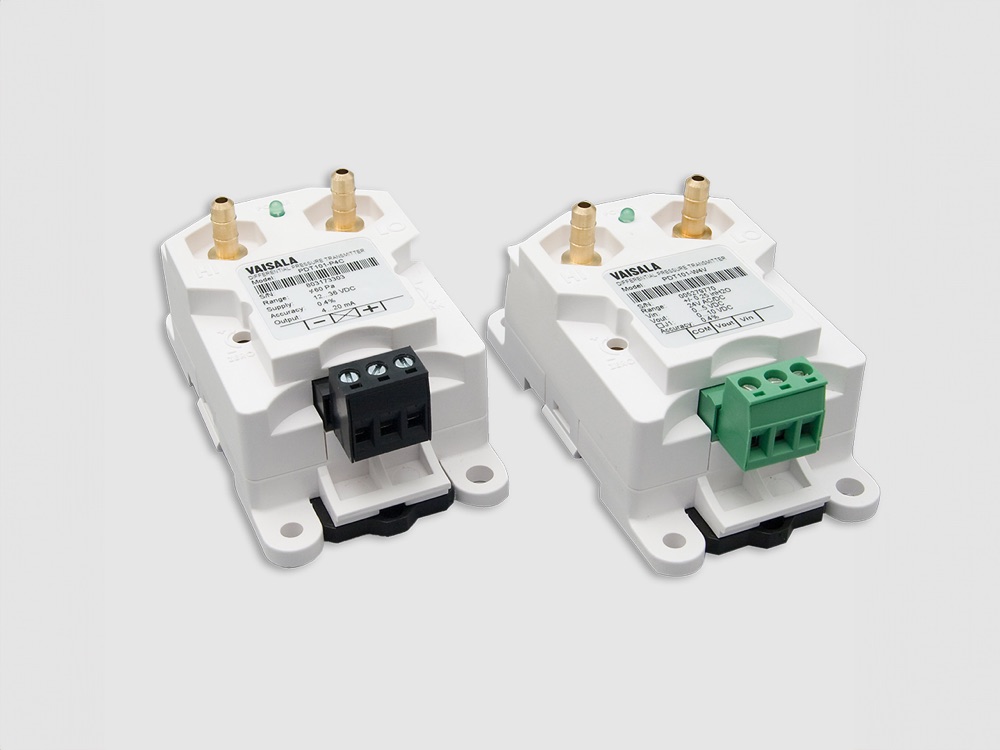 PDT101 Differential pressure transmitter for critical environments
 -
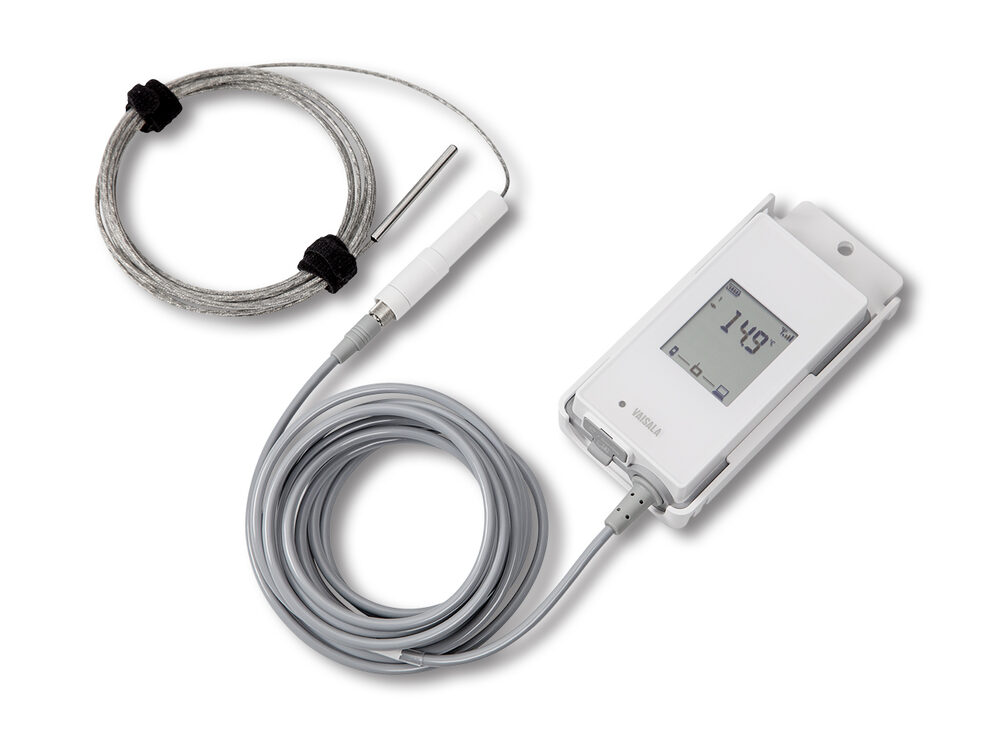 RFL100 VaiNet wireless data logger for continuous monitoring
 -
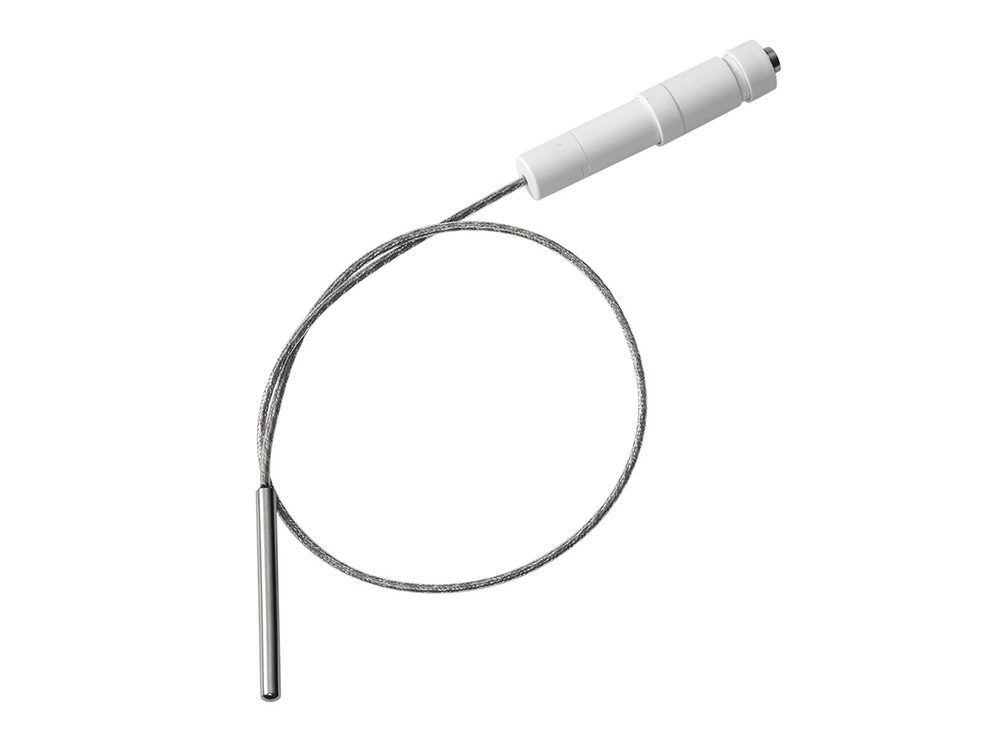 TMP115 Wide-range temperature probe for controlled environments
 -
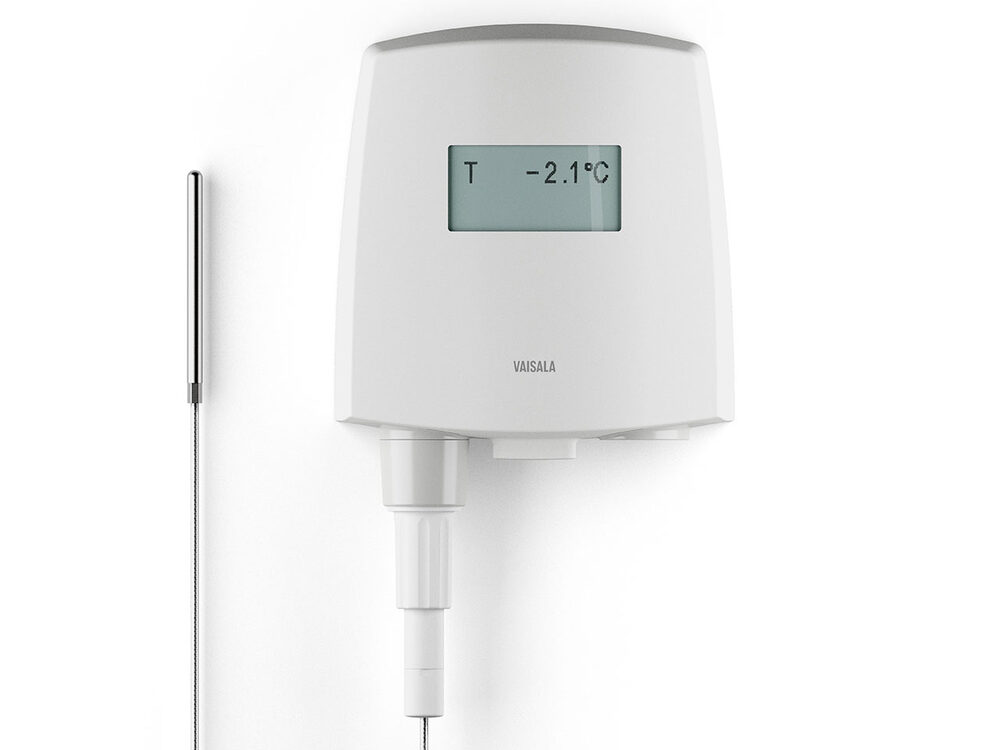 TMT120/130 Temperature transmitters with interchangeable probe
 -
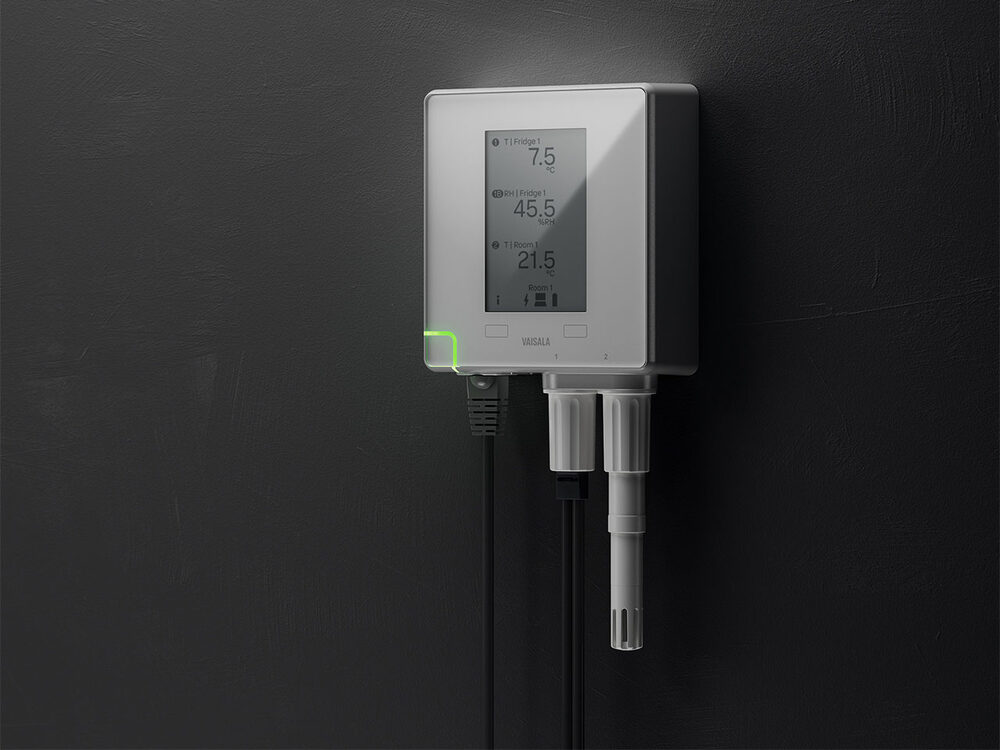 VDL200 Multi-parameter PoE data logger for continuous monitoring
¿Querés profundizar sobre este tema?
Nuestros especialistas pueden asesorarte en detalle sobre su aplicación en tu proceso.