
Dew Point in Data Centers
Why dew point is a better control parameter than relative humidity in a data center, what ranges ASHRAE recommends, and how sensor accuracy directly impacts HVAC energy consumption.
A data center needs to keep humidity within a narrow range: not so dry that it raises the risk of static electricity, nor so humid that it favors condensation or hardware corrosion. For the general context of this magnitude, see the humidity instrumentation landing.
Climate control and ventilation account for a significant share of a data center's energy consumption — cooling alone concentrates much of that demand. That's why humidity measurement quality isn't a minor detail: a measurement error translates directly into wasted HVAC energy.
This note covers
- The temperature and humidity ranges ASHRAE recommends for IT equipment
- Why dew point is a more stable control parameter than relative humidity
- How sensor accuracy directly affects HVAC energy consumption
The Ranges ASHRAE Recommends
ASHRAE guidelines for data center environmental conditions recommend an inlet air temperature range of 18 to 27°C and relative humidity of 25% to 80% (equivalent to a dew point between 5 and 15°C). Straying from that range in either direction has consequences: air that's too dry raises the risk of static electricity discharge onto equipment; air that's too humid favors condensation and, over time, corrosion of electronic components.
Staying within that range with margin is the foundation of any climate control strategy — but sustaining it energy-efficiently depends on which variable is used to control the system.
Why Dew Point Instead of Relative Humidity
Relative humidity depends on the temperature at the point where it's measured: the same air mass can give different RH readings at two points in the data center that are at different temperatures, even though they contain the same amount of water vapor. This complicates coordinating control between zones with different inlet temperatures.
Dew point, on the other hand, doesn't depend on the sensor's temperature — it only varies with pressure. That's why data centers seeking a robust climate control strategy prefer to use dew point as the control parameter: it allows humidification and dehumidification to be coordinated consistently across the entire facility, regardless of what temperature point the reading is taken at.
Sensor Accuracy Has a Direct Energy Impact

A data center's temperature and humidity control strategy is only as good as the measurement equipment behind it — even small measurement errors can increase the energy bill significantly. A poorly calibrated sensor, or one that drifts over time, can cause the system to over-humidify or over-dehumidify, spending energy correcting a condition that was actually already within range.
With accurate, stable humidity and dew point measurement, it becomes possible to make the most of efficiency strategies like adiabatic cooling or outdoor air economizers — maximizing hours of free cooling without straying outside the humidity limits that protect the equipment.
This technical content is based on Vaisala's documentation on environmental monitoring and energy efficiency in data centers. AKRIBIS is an authorized Vaisala partner for distribution and technical support in the region — explore the full Vaisala instrumentation line. For the specific probe for your server room, consult a specialist.
Instruments to Measure Humidity
-
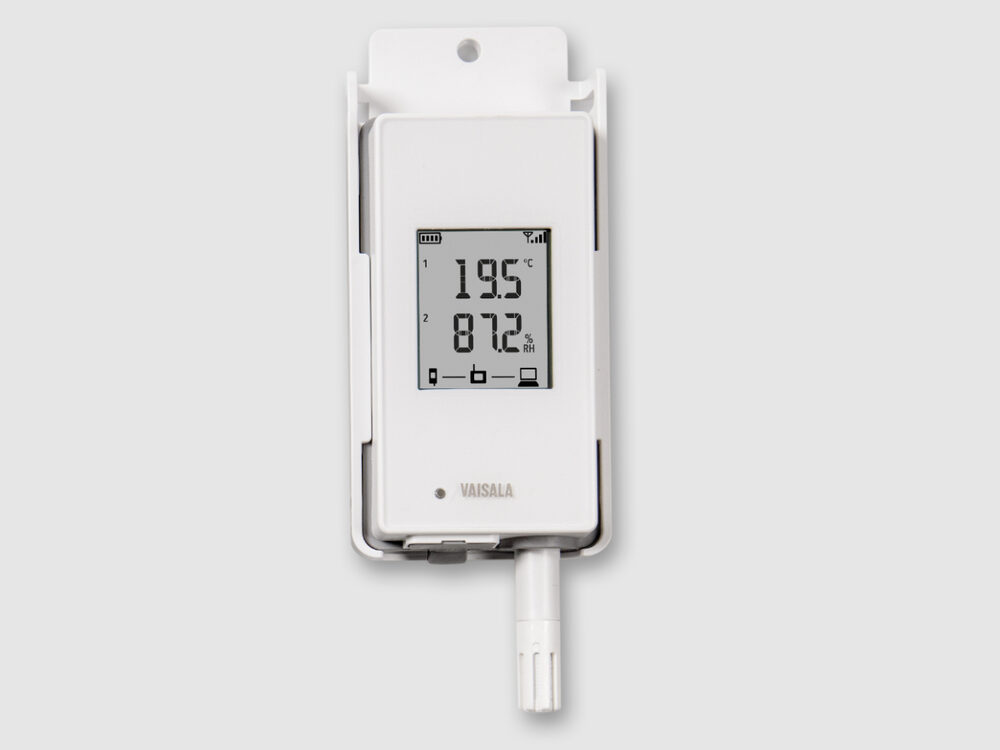 CWL100 Cloud wireless data logger for temperature and humidity
 -
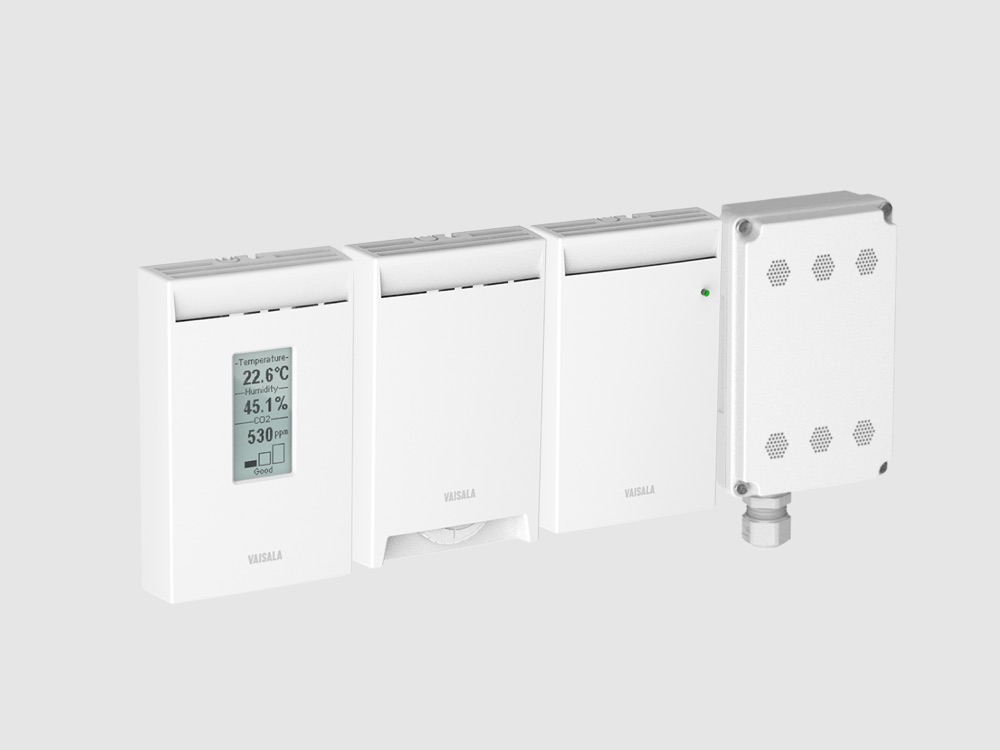 GMW80 Wall-mounted CO2, humidity and temperature transmitter for indoor air quality
 -
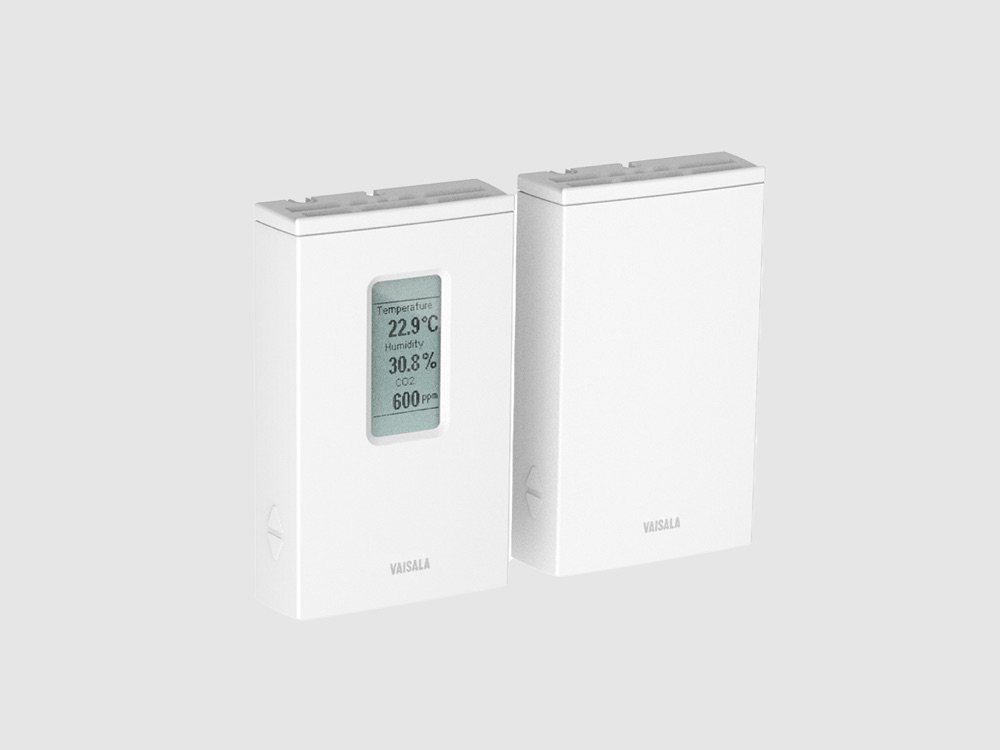 GMW90 Wall-mounted CO2 transmitter for green building projects
 -
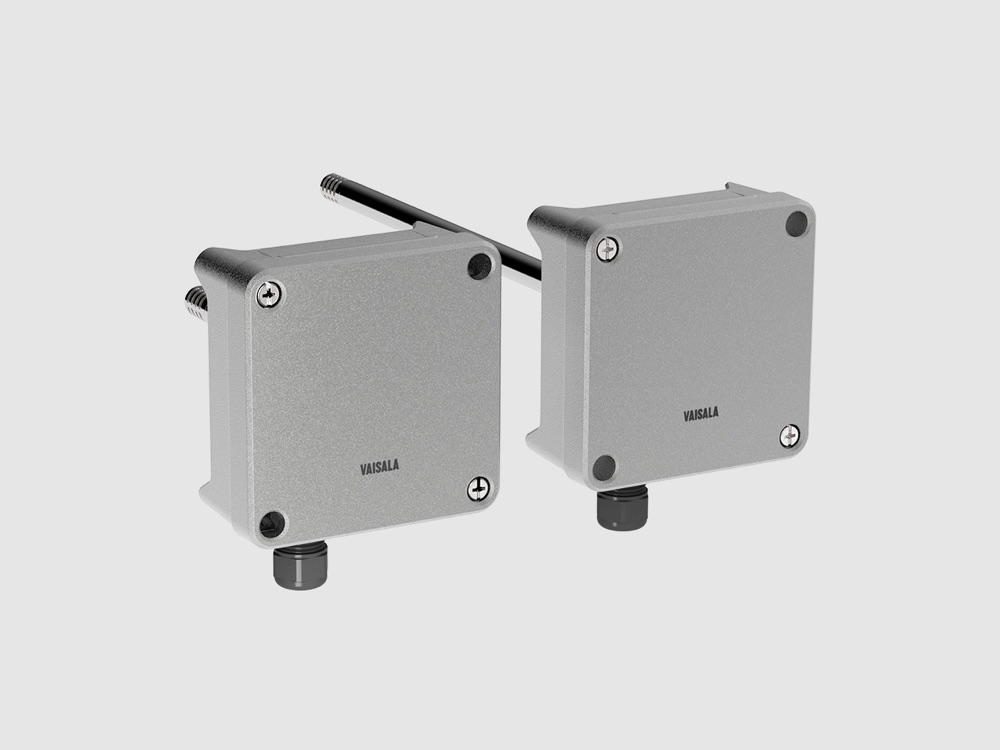 HMD60 Duct humidity and temperature transmitter for HVAC
 -
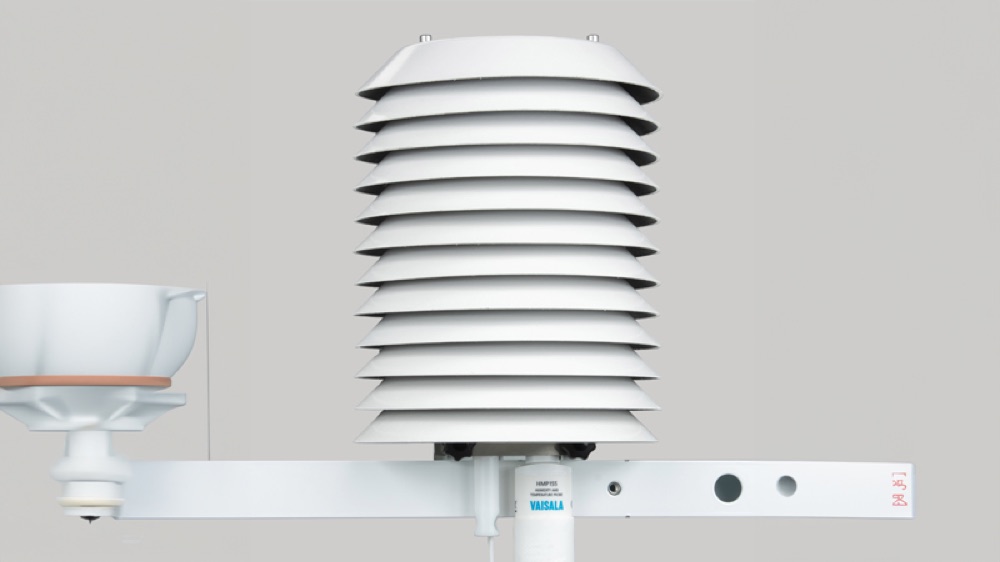 HMP155 HUMICAP® humidity and temperature probe for harsh environments
 -
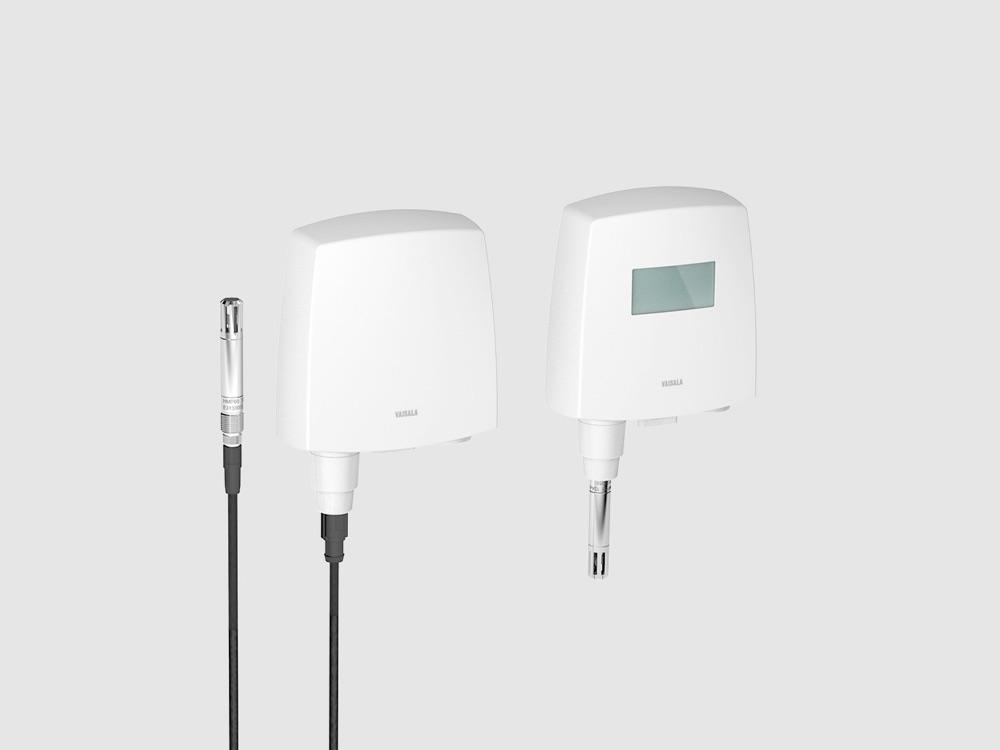 HMT120/130 Humidity and temperature transmitters with exchangeable probe for cleanrooms
 -
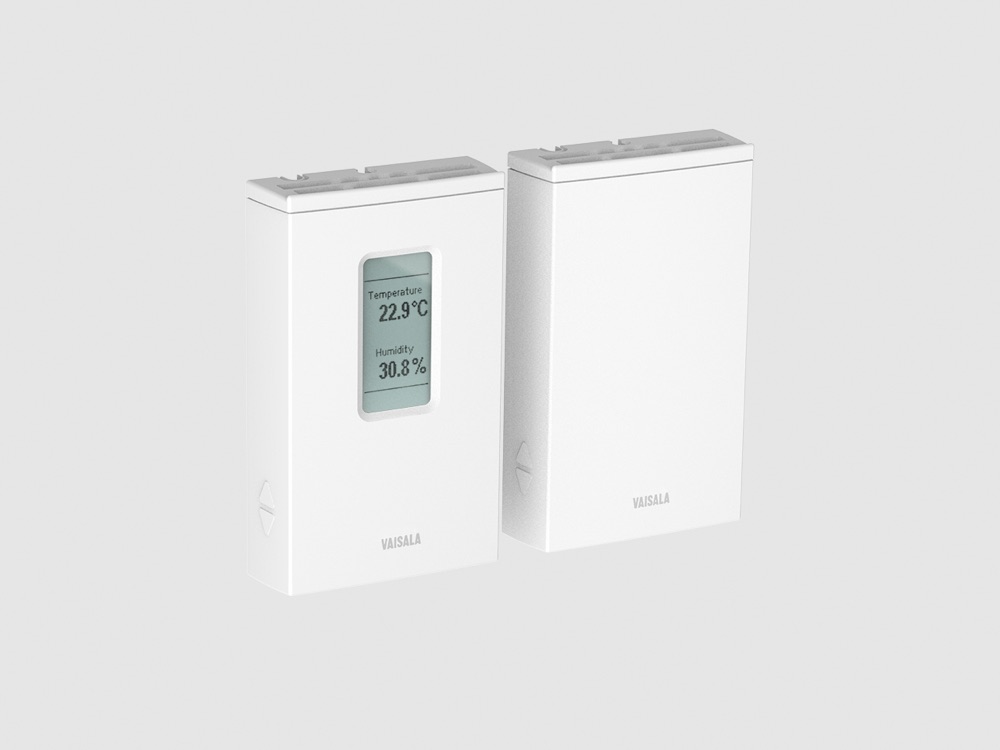 HMW90 Wall-mount humidity and temperature transmitters for building automation
 -
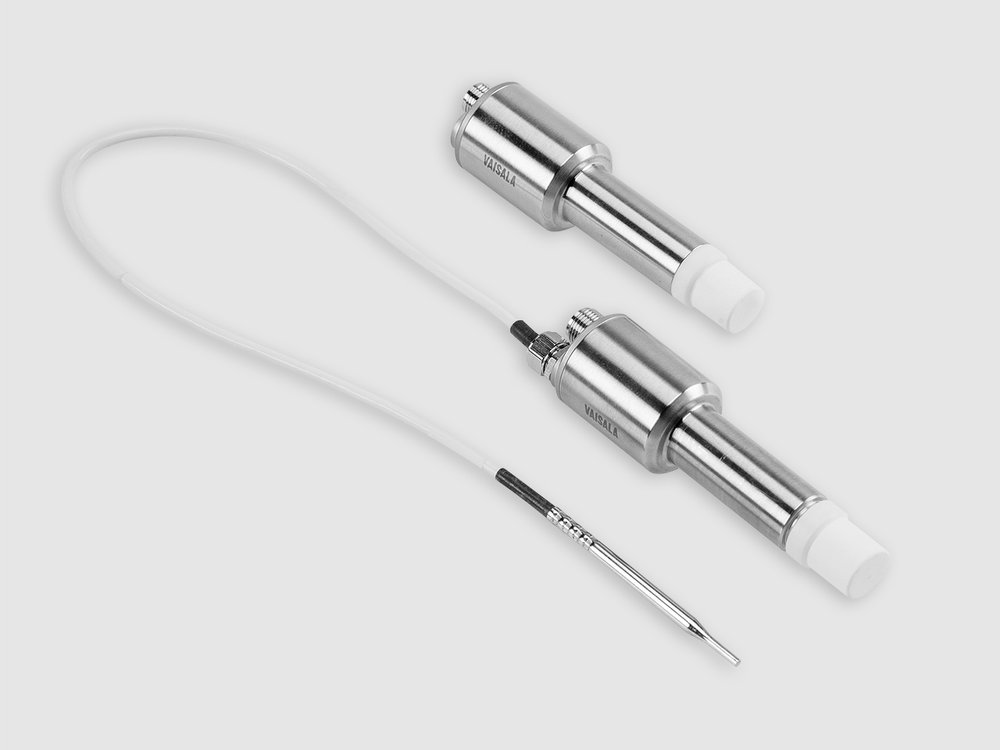 HPP270 PEROXCAP® vaporized hydrogen peroxide probe for bio-decontamination
 -
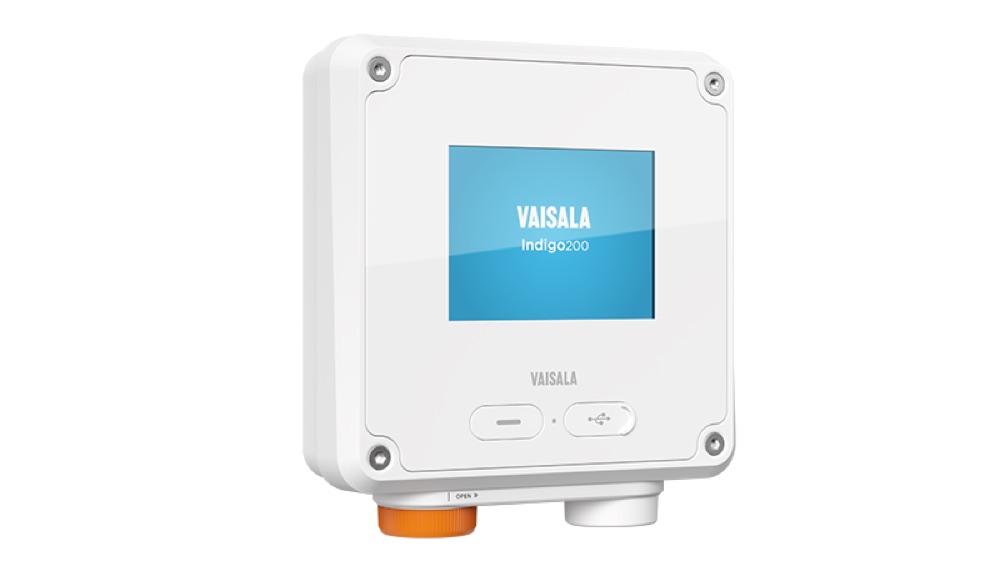 Indigo200 Compact single-probe transmitter for the Indigo ecosystem
 -
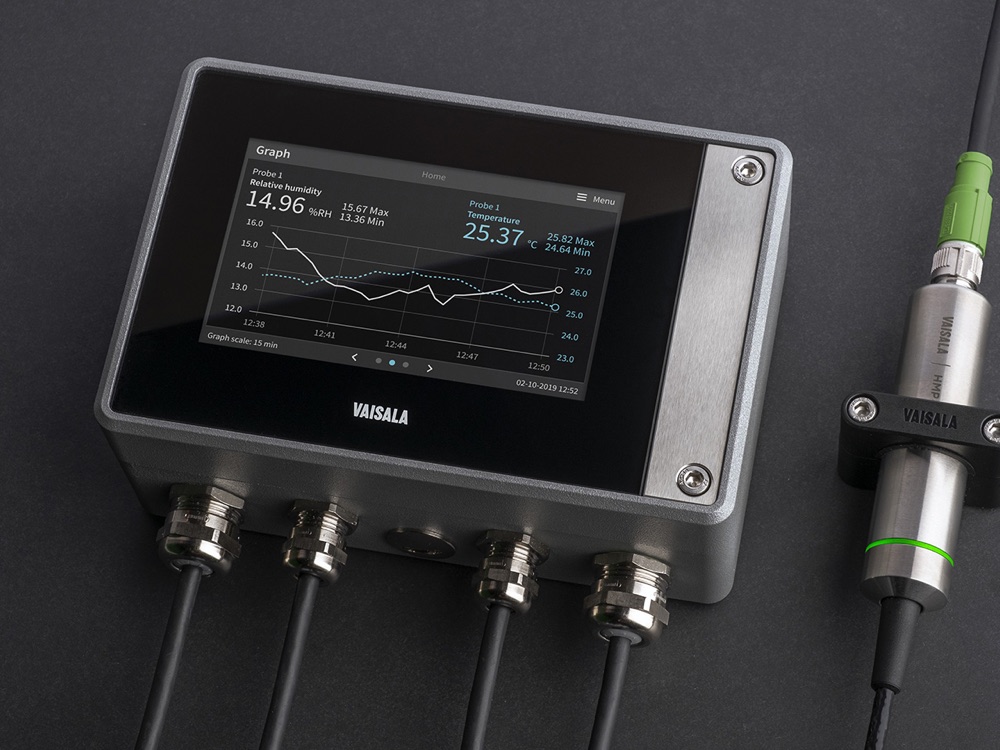 Indigo500 Universal transmitter for Indigo-compatible probes
 -
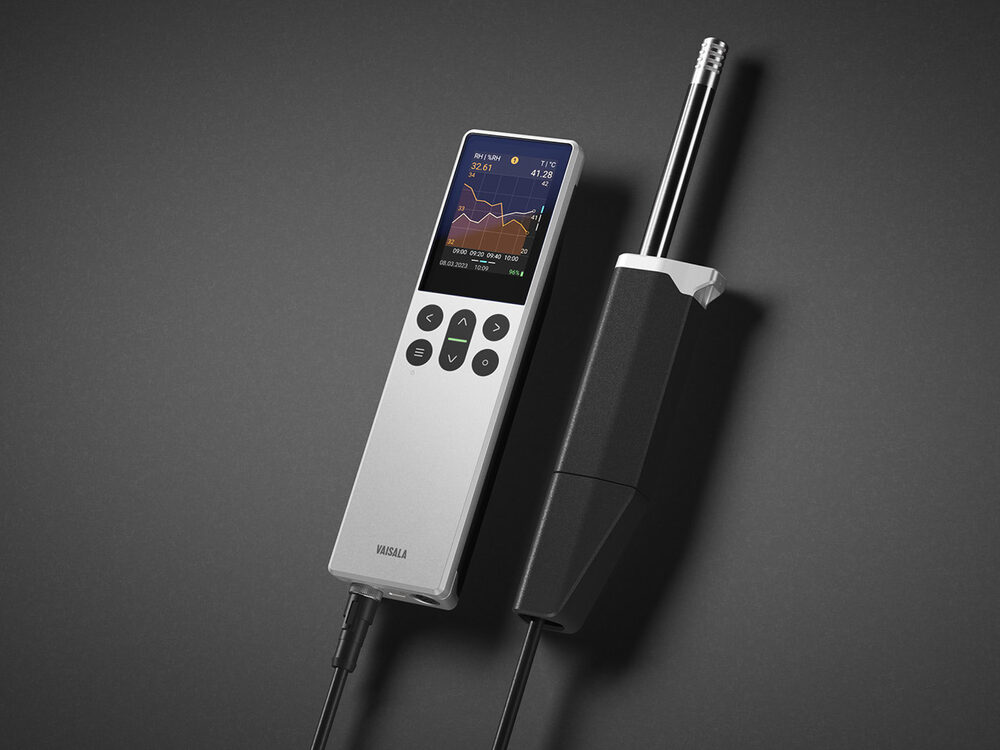 Indigo80 Handheld indicator for Indigo-compatible probes
 -
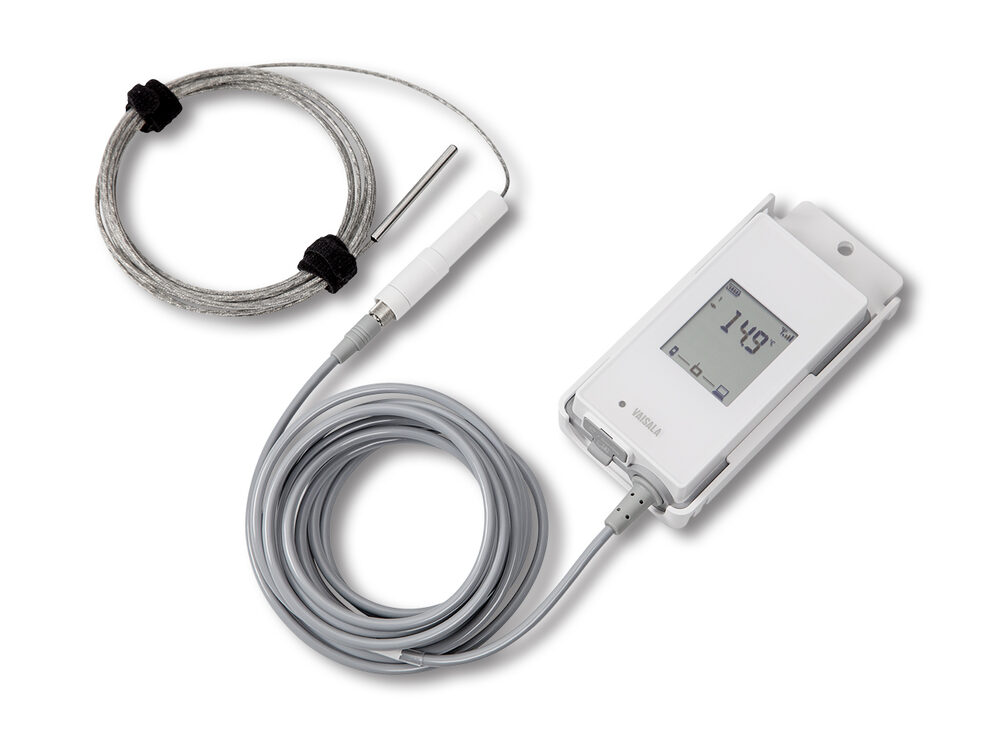 RFL100 VaiNet wireless data logger for continuous monitoring
 -
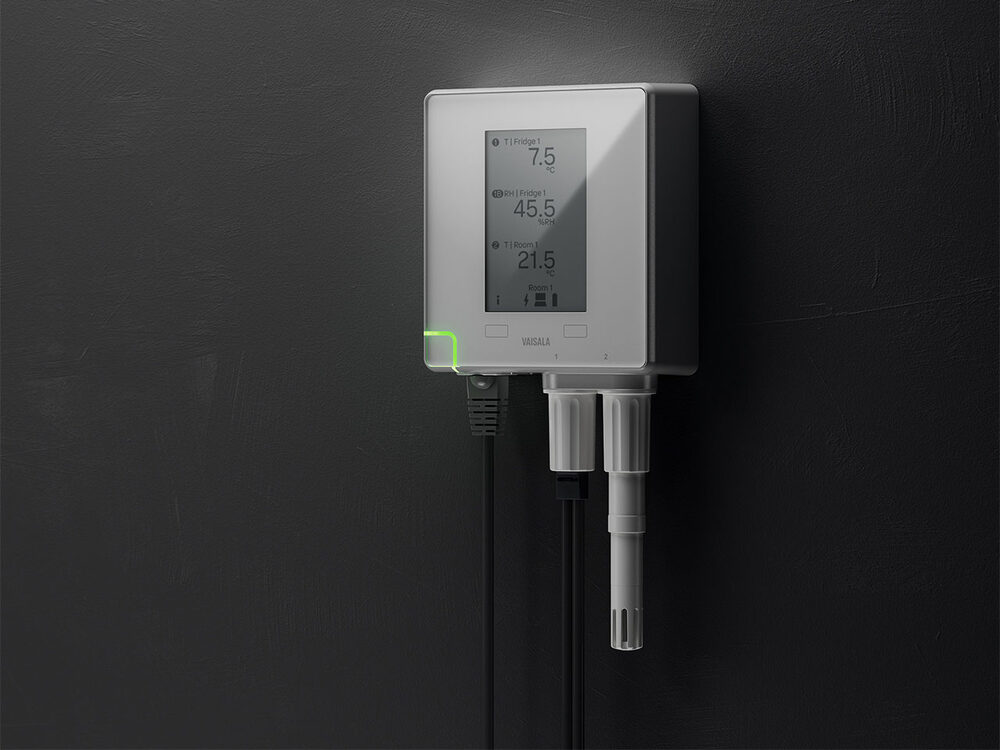 VDL200 Multi-parameter PoE data logger for continuous monitoring
 -
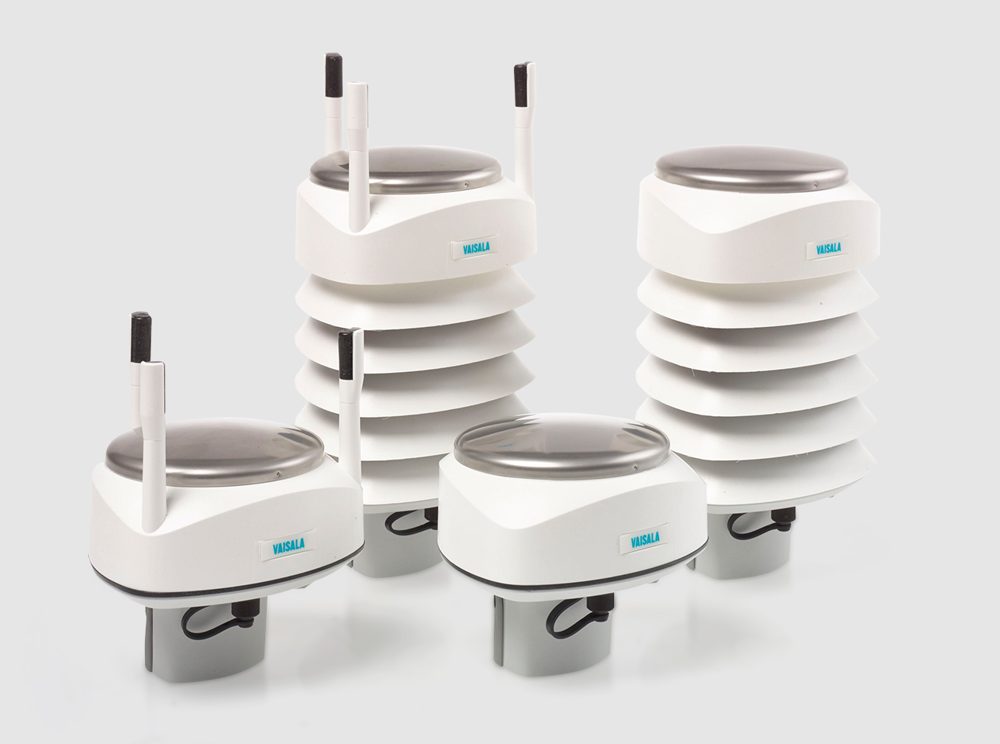 WXT530 Compact multi-parameter weather transmitter series
¿Querés profundizar sobre este tema?
Nuestros especialistas pueden asesorarte en detalle sobre su aplicación en tu proceso.