
Wet-Bulb Temperature: From the Psychrometer to the Modern Sensor
A humidity variable with over a century of history that remains key in cooling towers and frost protection — now computed by the sensor without the psychrometer's limitations.
Wet-bulb temperature is one of the oldest ways to express humidity, and it remains in use as a control variable in specific applications. To place it among the other humidity parameters, see the humidity instrumentation landing.
What's interesting is how its measurement changed: from a manual instrument that demanded skill and constant maintenance, to a value the modern sensor computes directly from relative humidity and temperature.
This note covers
- What wet-bulb temperature is
- How the traditional psychrometer measured it and what limited it
- How modern sensors derive it today
- Where it's used as a control variable
What Wet-Bulb Temperature Is
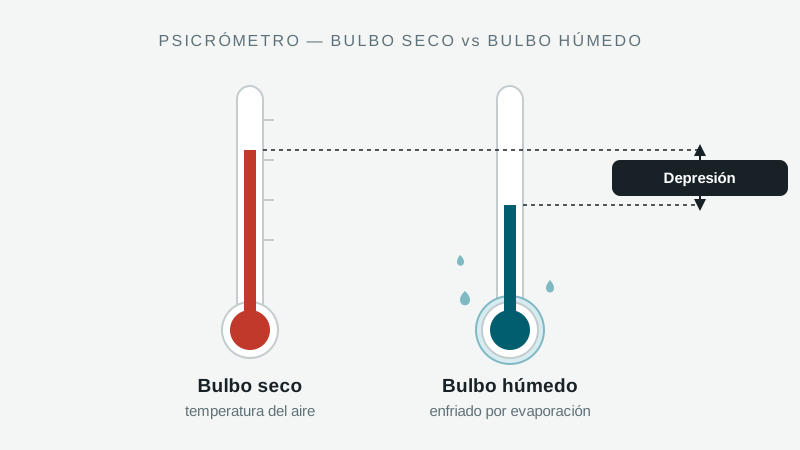
Wet-bulb temperature is the temperature to which a wet surface can be cooled by evaporation. The difference between the dry-bulb temperature (the ambient air temperature) and the wet-bulb temperature indicates the environment's humidity level: the smaller the difference, the higher the humidity; the larger the difference, the drier the air.
The Traditional Psychrometer
A psychrometer uses two thermometers: a dry-bulb (T1), which measures air temperature directly, and a wet-bulb (T2), covered with a damp cloth cooled by evaporating water.
In a typical demonstration, the wet-bulb depression exceeded 6°C, with readings stabilizing at T1 = 22.84°C (dry-bulb) and T2 = 16.56°C (wet-bulb). That temperature differential yielded a calculated relative humidity of 52.63% for that setup.
The method has three inherent error sources: it requires sufficient air circulation, needs constant monitoring and refilling of the wick's water, and is vulnerable to contamination from salts and solids. In practice, the test psychrometer showed a deviation of around 10% RH from calibrated reference instruments.
From the Psychrometer to the Modern Sensor
Vaisala's HUMICAP® sensor technology computes wet-bulb temperature from the measured relative humidity and temperature, eliminating psychrometer maintenance. Most Vaisala humidity and temperature instruments can output humidity directly as wet-bulb temperature, with an accuracy better than ±0.5°C across the full RH range, and with reliable performance even in condensing environments.
Where It's Used as a Control Variable
In cooling towers, wet-bulb temperature guides operating efficiency: when humidity rises and the wet-bulb approaches ambient temperature, there's no point running the towers because their cooling effect will be negligible.
In frost protection, agricultural sprinkler systems use this variable: as long as the wet-bulb temperature stays above 0°C, there's less risk of frost damage.
This technical content is based on Vaisala's educational material on wet-bulb temperature. AKRIBIS is an authorized Vaisala partner for distribution and technical support in the region — explore the full Vaisala instrumentation line.
Instruments to Measure Humidity
-
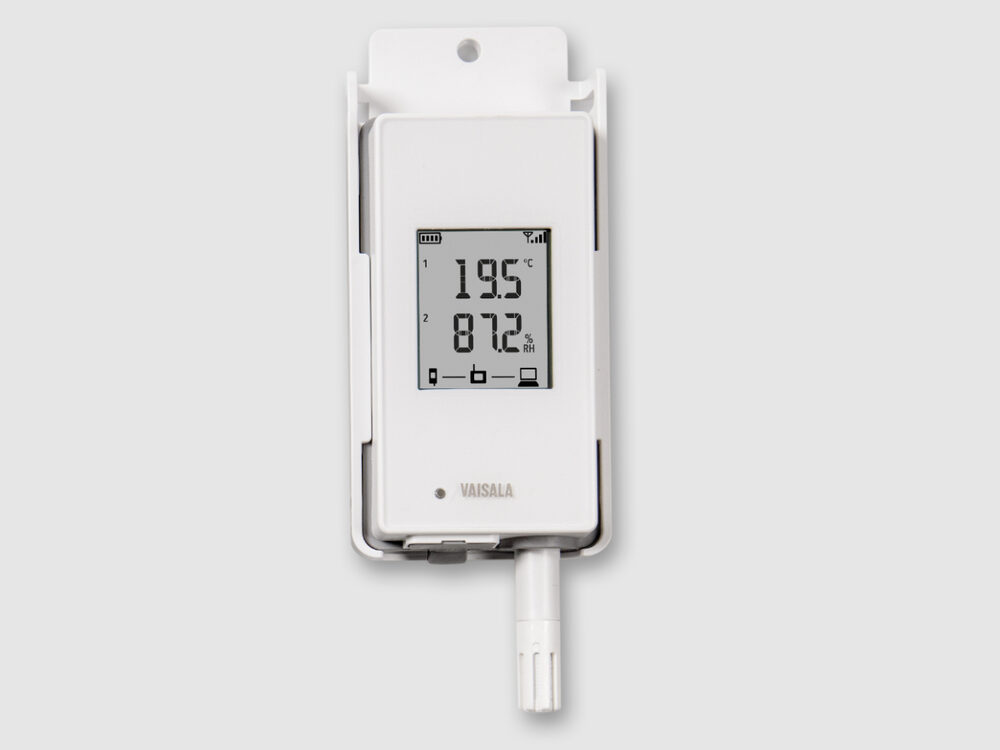 CWL100 Cloud wireless data logger for temperature and humidity
 -
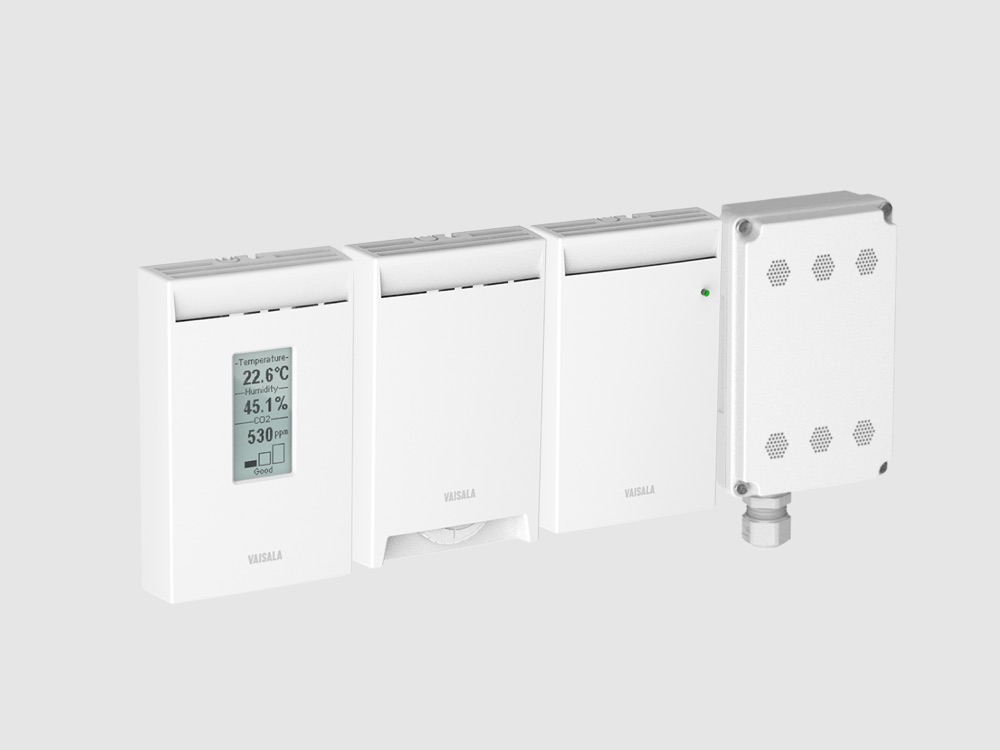 GMW80 Wall-mounted CO2, humidity and temperature transmitter for indoor air quality
 -
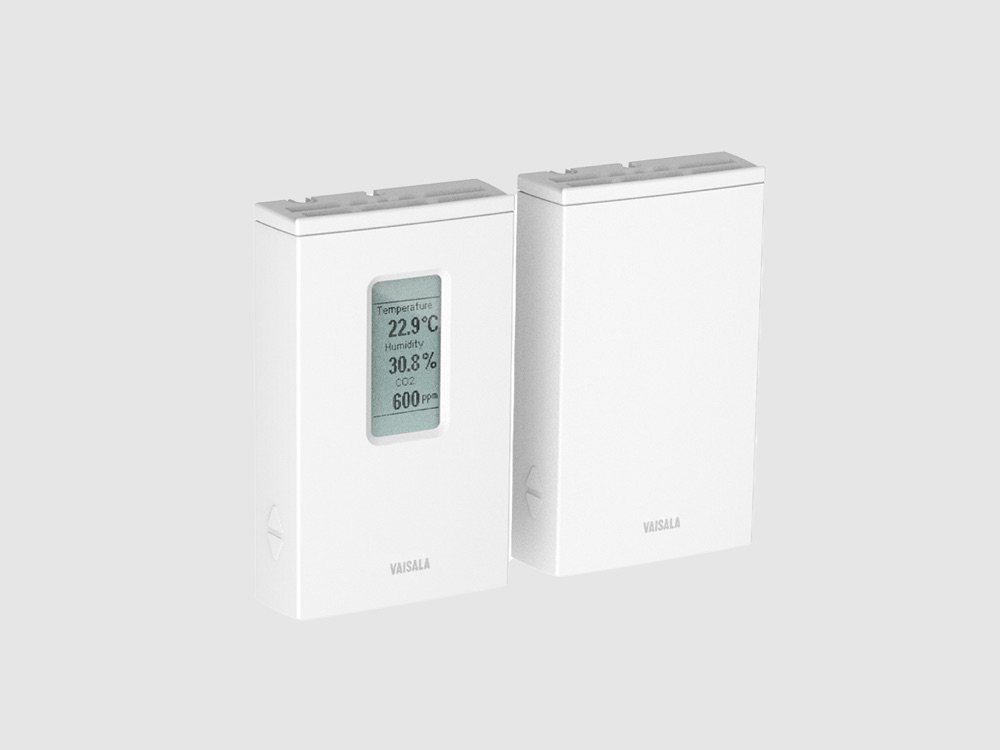 GMW90 Wall-mounted CO2 transmitter for green building projects
 -
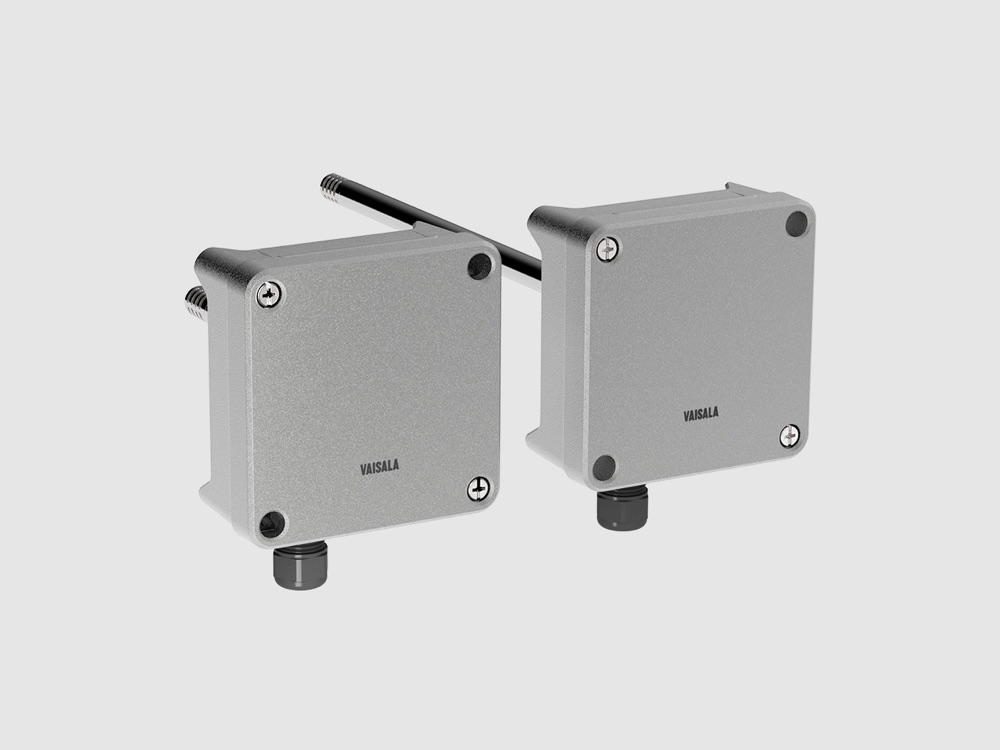 HMD60 Duct humidity and temperature transmitter for HVAC
 -
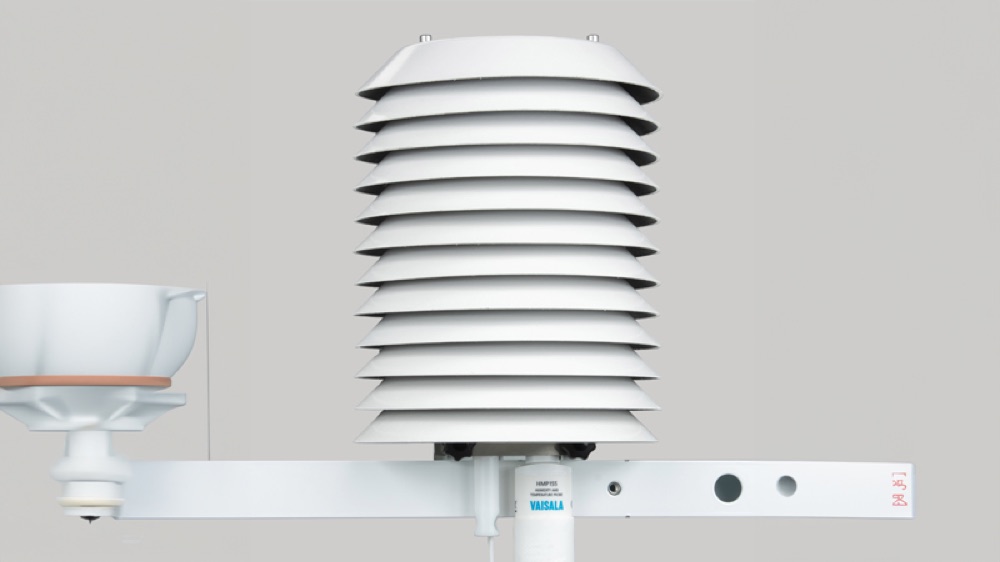 HMP155 HUMICAP® humidity and temperature probe for harsh environments
 -
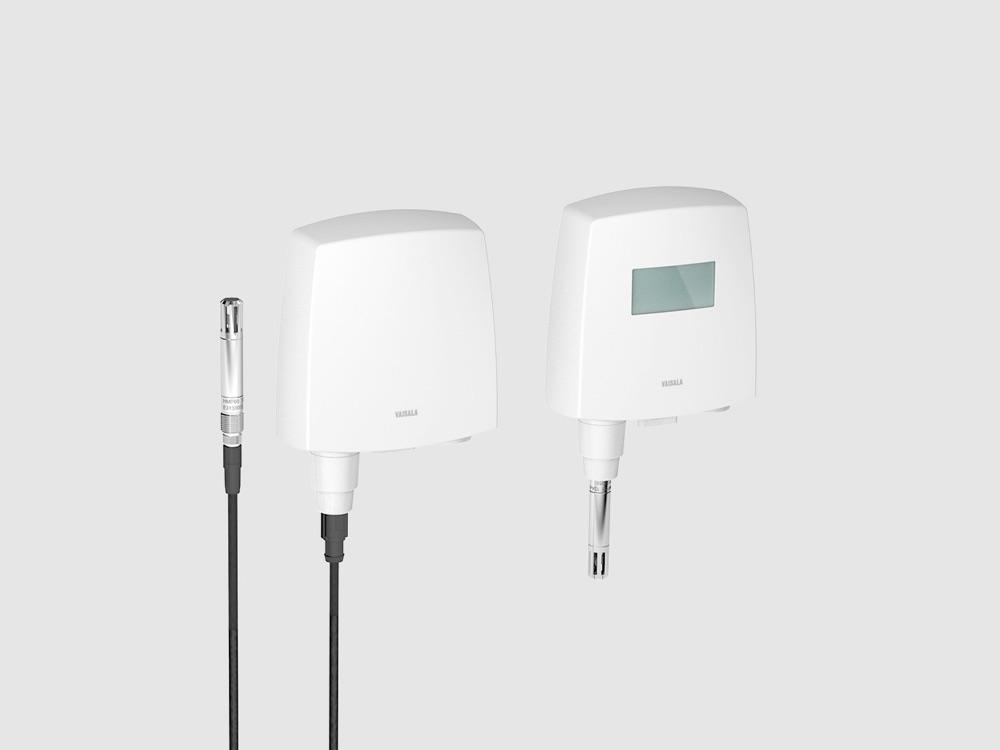 HMT120/130 Humidity and temperature transmitters with exchangeable probe for cleanrooms
 -
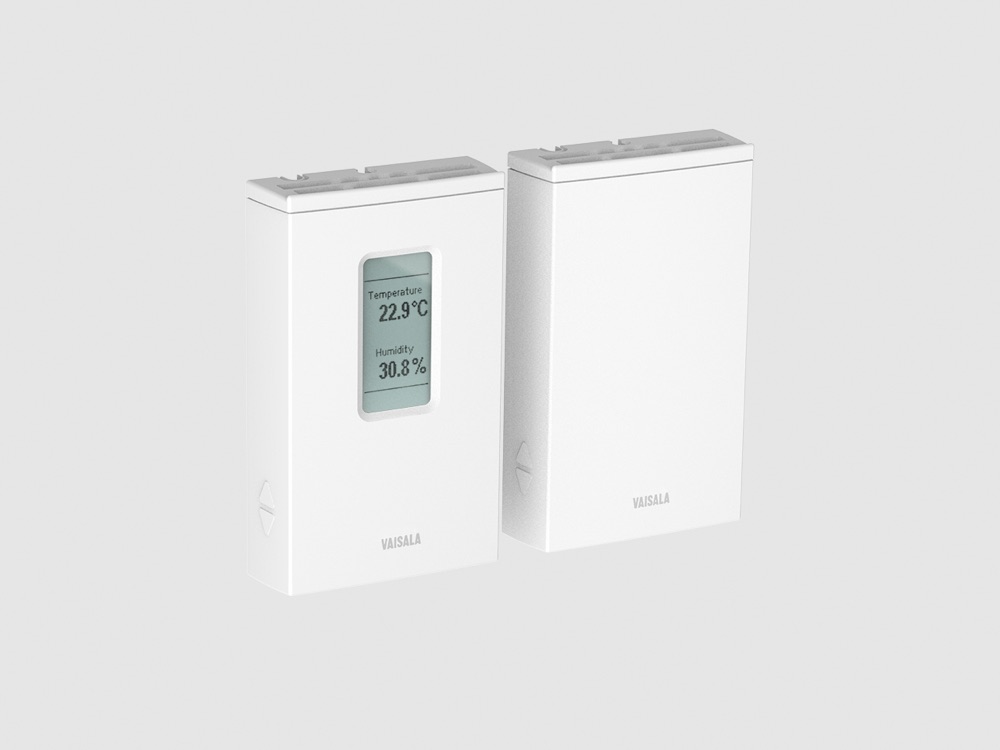 HMW90 Wall-mount humidity and temperature transmitters for building automation
 -
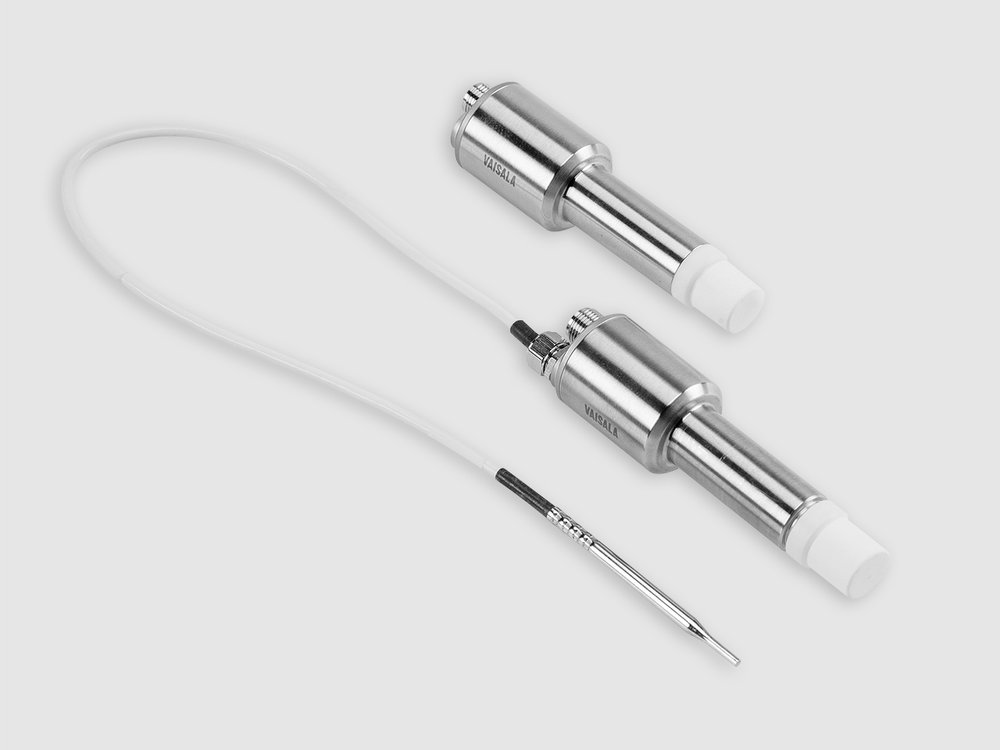 HPP270 PEROXCAP® vaporized hydrogen peroxide probe for bio-decontamination
 -
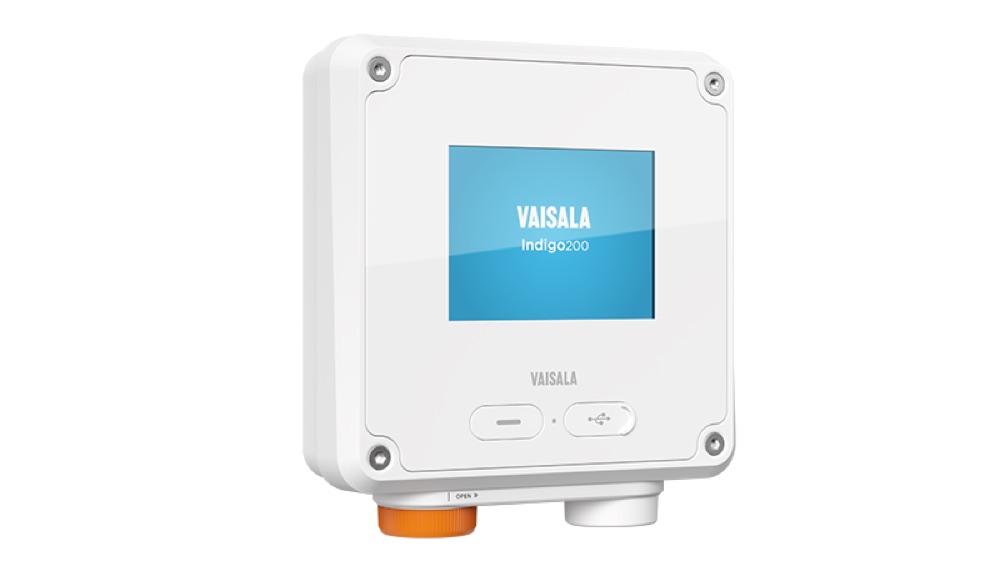 Indigo200 Compact single-probe transmitter for the Indigo ecosystem
 -
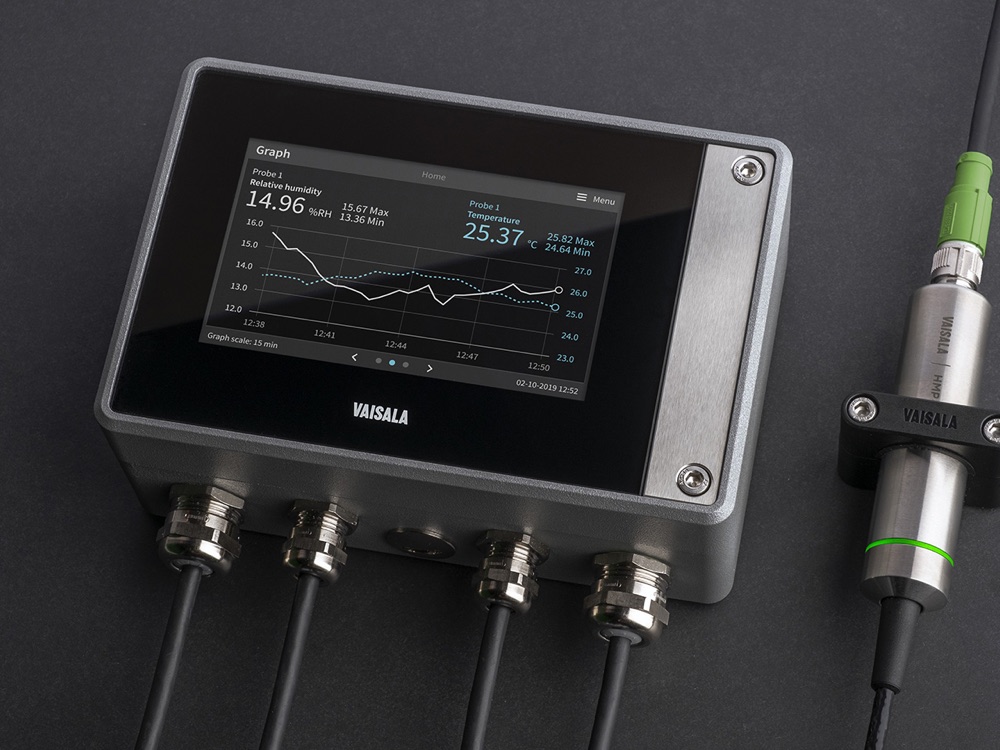 Indigo500 Universal transmitter for Indigo-compatible probes
 -
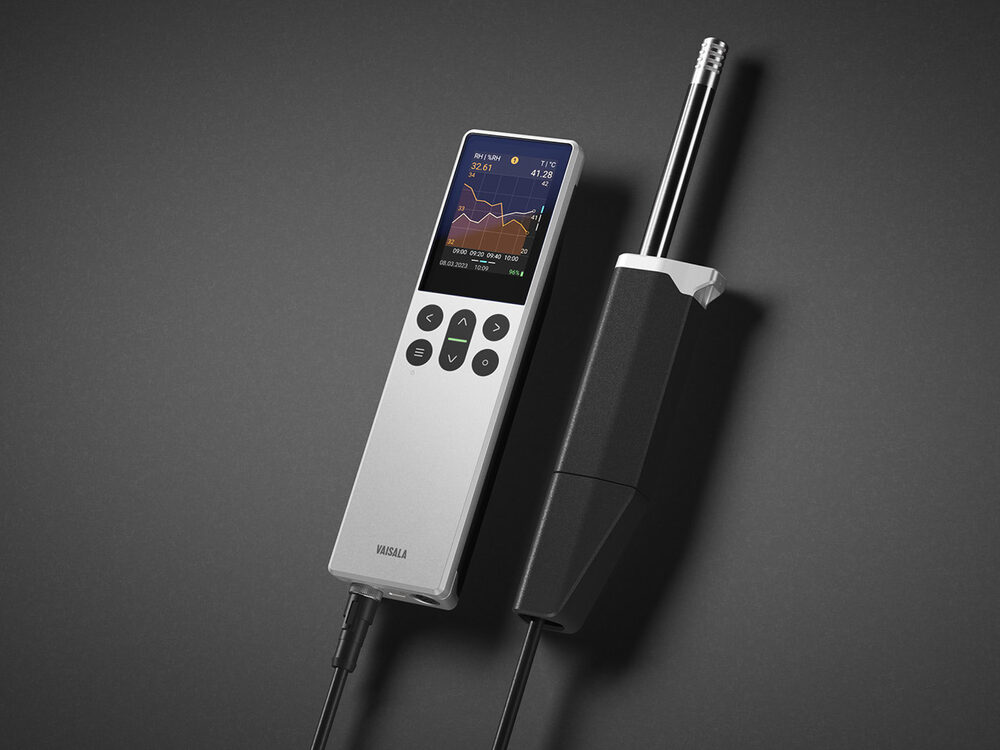 Indigo80 Handheld indicator for Indigo-compatible probes
 -
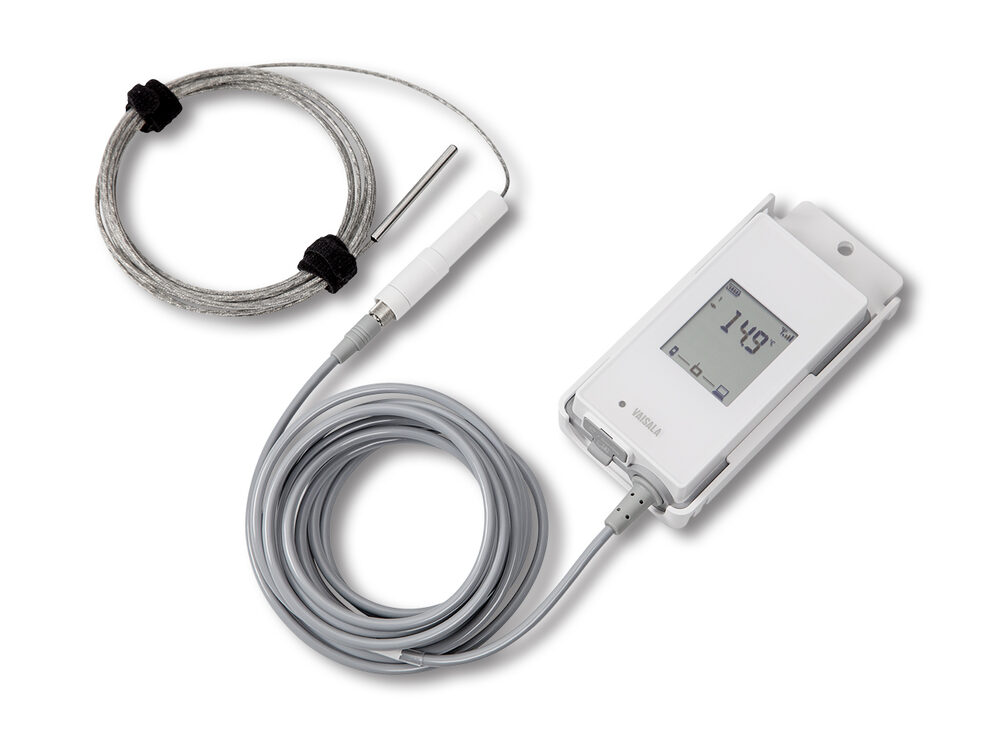 RFL100 VaiNet wireless data logger for continuous monitoring
 -
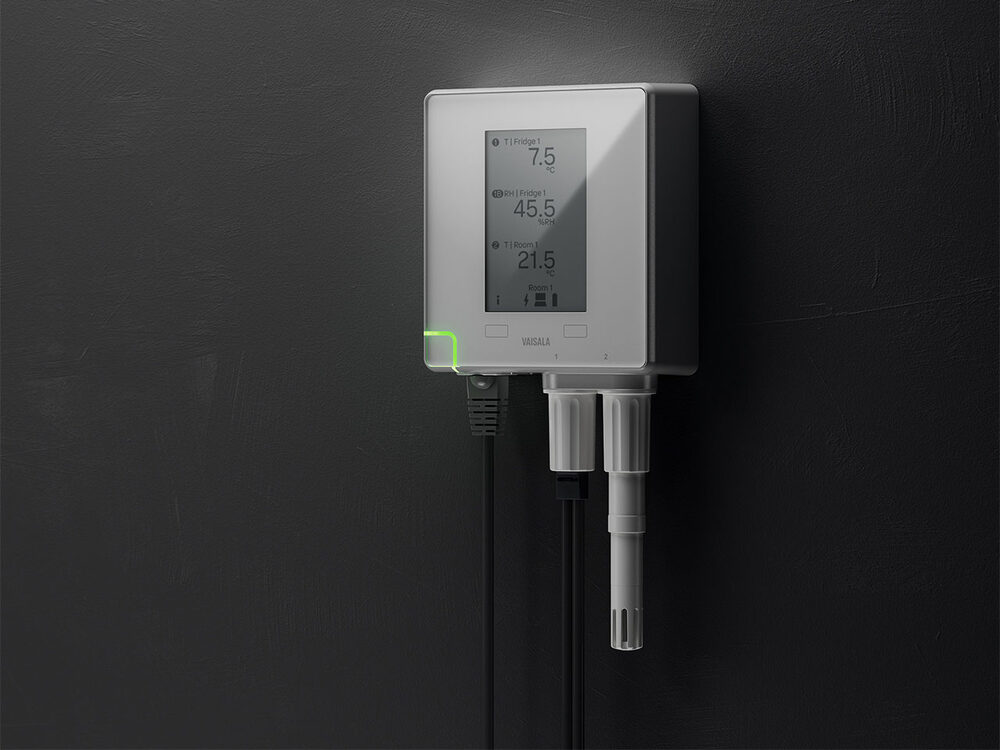 VDL200 Multi-parameter PoE data logger for continuous monitoring
 -
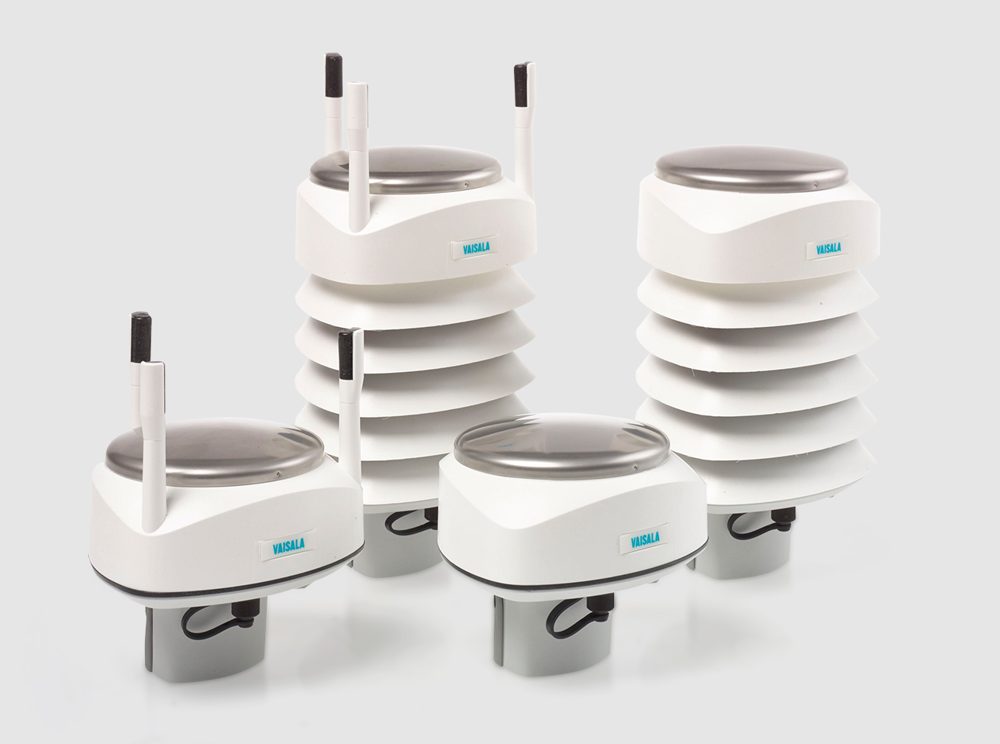 WXT530 Compact multi-parameter weather transmitter series
¿Querés profundizar sobre este tema?
Nuestros especialistas pueden asesorarte en detalle sobre su aplicación en tu proceso.