
Vaporized Hydrogen Peroxide (VHP) Bio-Decontamination
Why relative humidity stops being a reliable indicator in the presence of hydrogen peroxide, what happens to humidity in each phase of the cycle, and what a sensor capable of measuring relative saturation solves.
Vaporized hydrogen peroxide (VHP) is a common decontamination agent in life science incubators, isolators, cleanrooms and process lines: it operates at low temperature, is compatible with most materials, and decomposes into water and oxygen with no toxic residue. For the general context of why humidity is controlled in cleanrooms, see the note on humidity instrumentation.
Precise humidity control is critical throughout the VHP cycle: not just for effective decontamination, but to prevent unwanted condensation on surfaces and equipment.
This note covers
- The four phases of the bio-decontamination cycle and what happens to humidity in each
- Why relative humidity stops being a reliable indicator in the presence of VHP
- Why a standard sensor reads inaccurately and what PEROXCAP® technology solves
The Four Phases of the Bio-Decontamination Cycle
A typical VHP cycle has four phases. In dehumidification, the environment is dried before vapor injection to prevent unwanted condensation. In conditioning, the correct environmental conditions are established before introducing the peroxide. In the bio-decontamination phase itself, target exposure runs between 300 and 1200 ppm of H2O2 with humidity between 50% and 100%. Finally, in aeration, a catalytic conversion breaks down the remaining H2O2 into water vapor and oxygen.
Every phase requires a reliable humidity reading — a measurement error in the wrong phase can mean incomplete decontamination or condensation that damages sensitive equipment.
Why Relative Humidity Stops Being Enough
Relative humidity, by definition, only indicates the level of water vapor in the air relative to temperature. But in a hydrogen peroxide-rich environment, condensation occurs before reaching 100% RH, because both water and peroxide molecules affect the combined saturation point. The variable that does describe that behavior is relative saturation (RS), which depends on the combined concentration of water and peroxide vapor plus air temperature.
A standard humidity sensor, without a protective catalytic layer, can't distinguish between the two vapors: hydrogen peroxide produces a stronger sensor response than water vapor alone, creating measurement errors — on the order of +1% RH at 300 ppm VHP and up to +3% RH at 900 ppm (at 23°C). Sustained exposure to harmful concentrations also causes that type of sensor to drift over time.
Catalytic Sensors and PEROXCAP® Technology

A first solution is catalytic HUMICAP® sensors, which incorporate a protective layer that breaks down vH2O2 before it reaches the sensing element — allowing accurate relative humidity measurement between cycles, though they can't determine actual relative saturation during decontamination itself.
Vaisala's PEROXCAP® technology combines a catalytic and a non-catalytic sensor in a single probe, enabling simultaneous calculation of relative humidity, relative saturation and hydrogen peroxide concentration through a proprietary algorithm — with heating and chemical purge included as standard, rather than optional.
This technical content is based on Vaisala's application note on humidity measurement in vaporized hydrogen peroxide bio-decontamination processes. AKRIBIS is an authorized Vaisala partner for distribution and technical support in the region — explore the full Vaisala instrumentation line. For the specific probe for your VHP cycle, consult a specialist.
Instruments to Measure Humidity
-
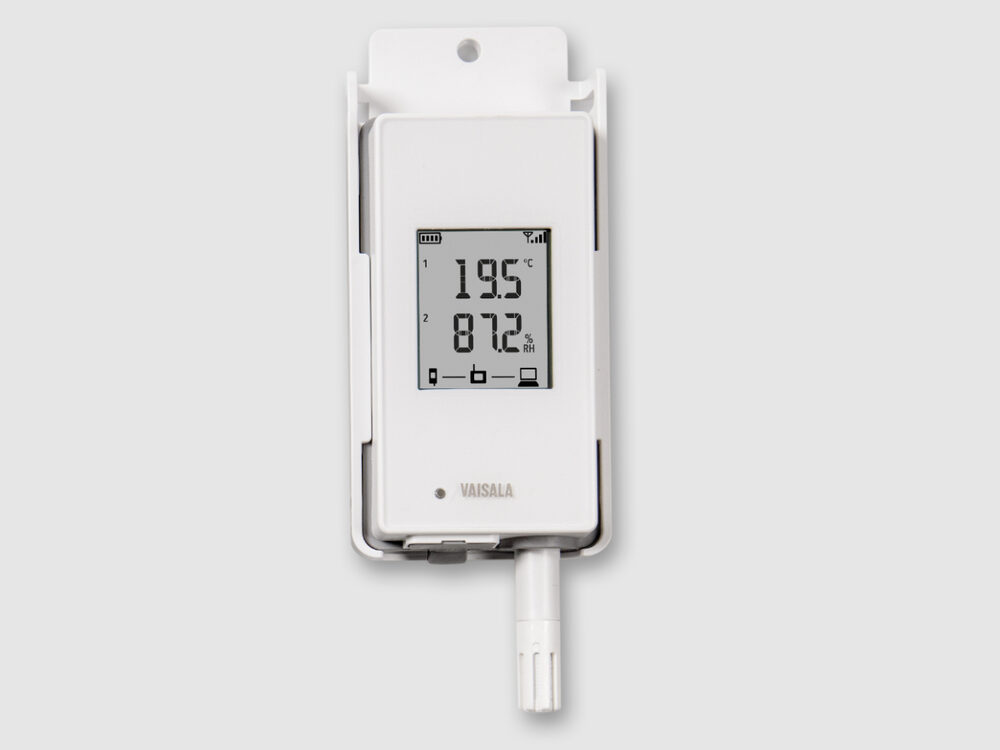 CWL100 Cloud wireless data logger for temperature and humidity
 -
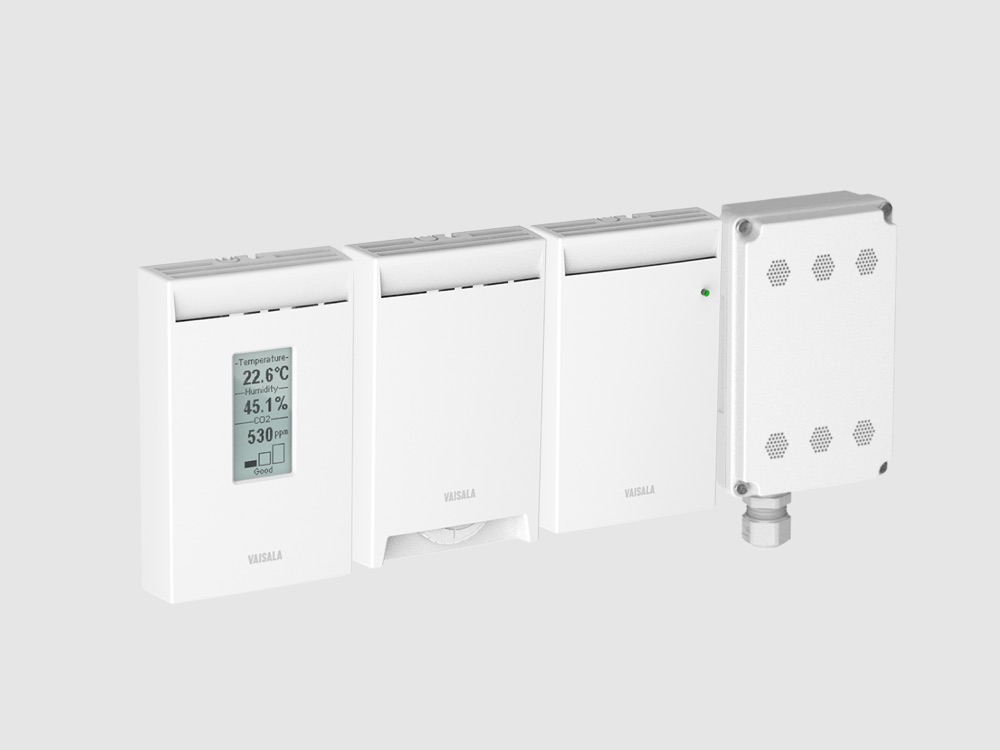 GMW80 Wall-mounted CO2, humidity and temperature transmitter for indoor air quality
 -
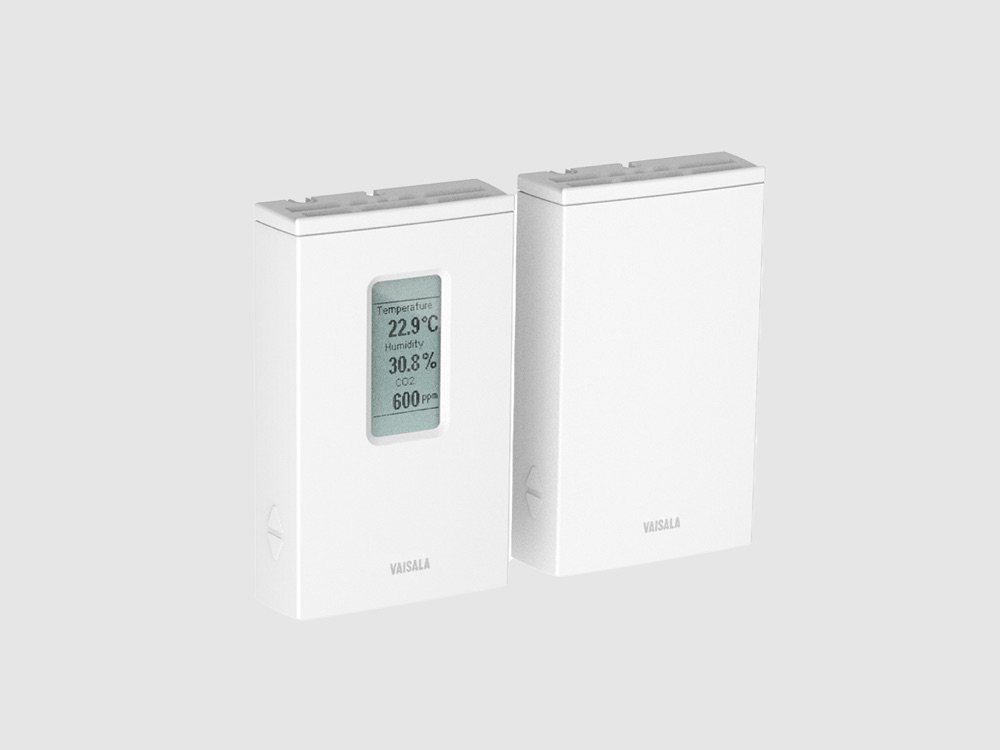 GMW90 Wall-mounted CO2 transmitter for green building projects
 -
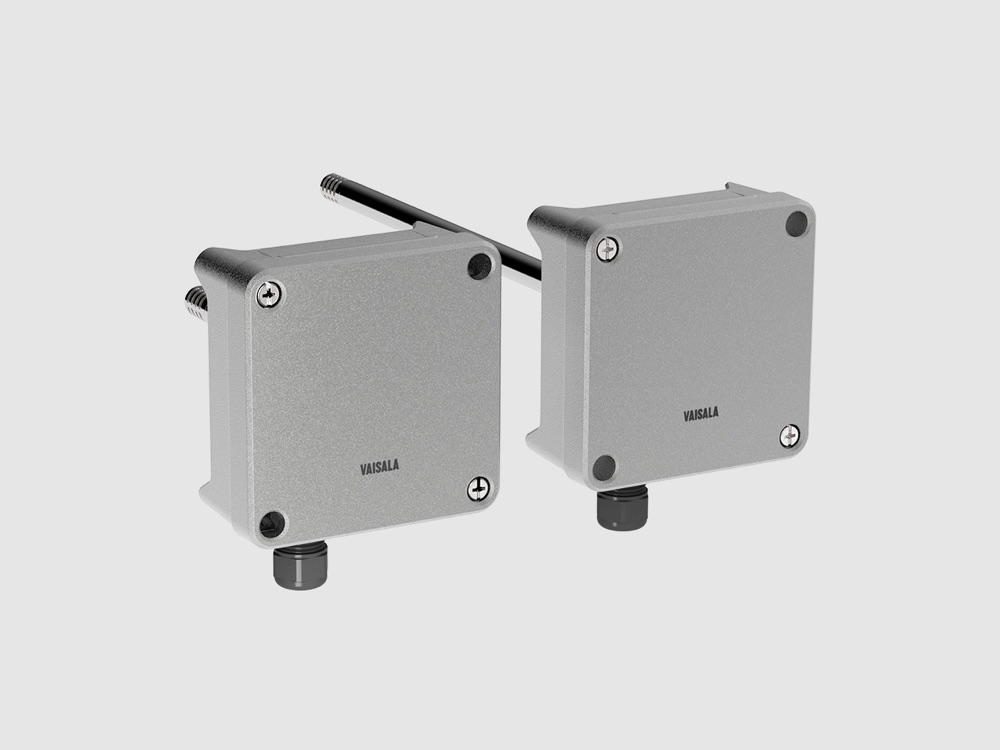 HMD60 Duct humidity and temperature transmitter for HVAC
 -
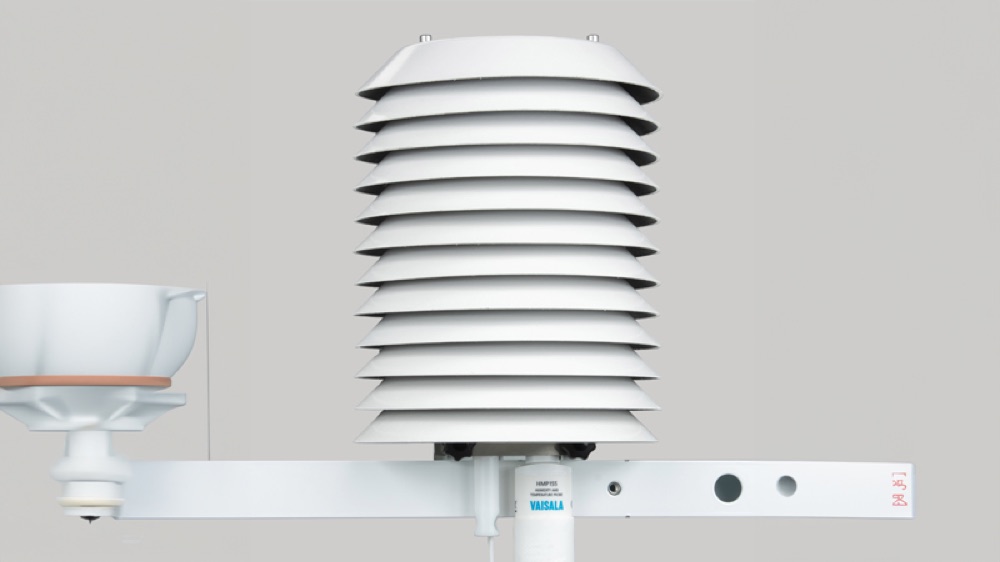 HMP155 HUMICAP® humidity and temperature probe for harsh environments
 -
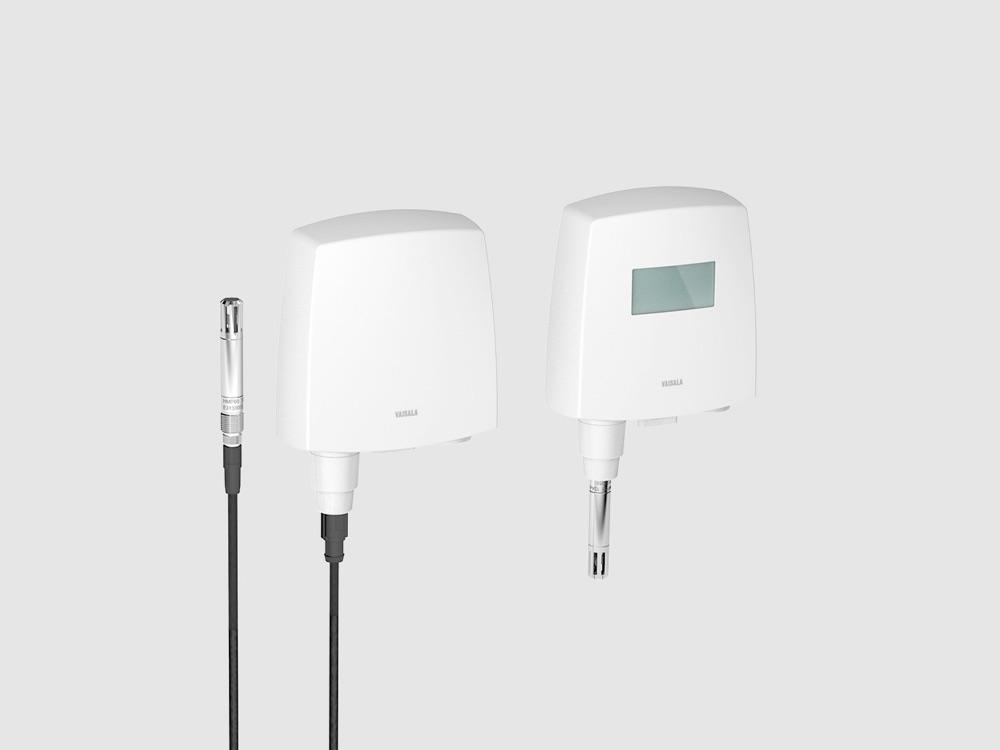 HMT120/130 Humidity and temperature transmitters with exchangeable probe for cleanrooms
 -
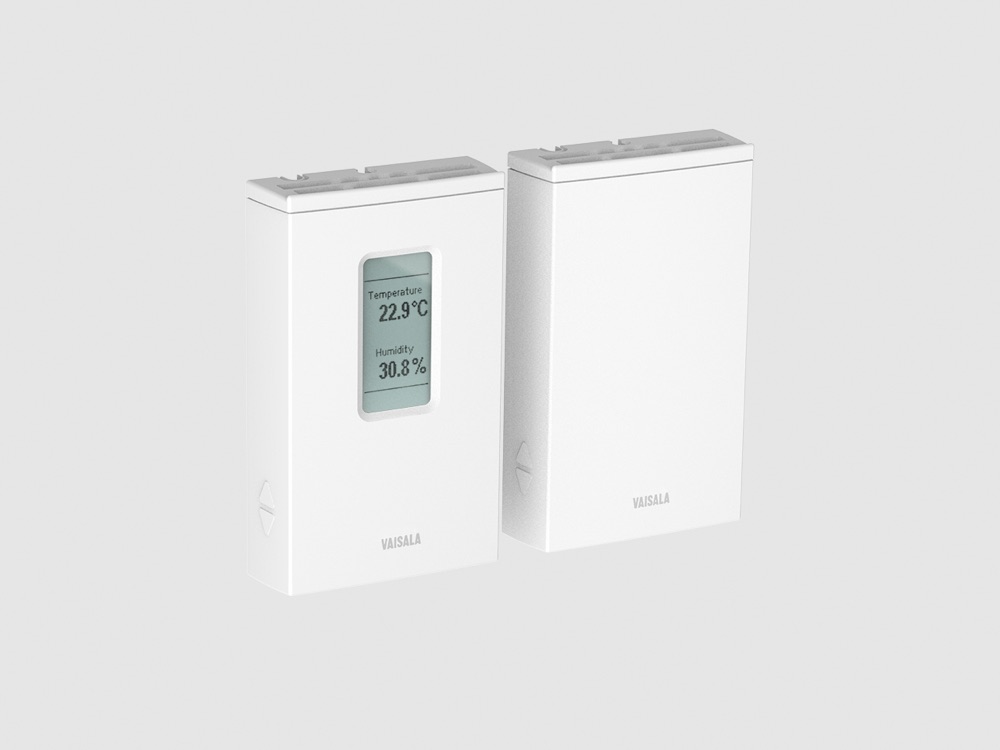 HMW90 Wall-mount humidity and temperature transmitters for building automation
 -
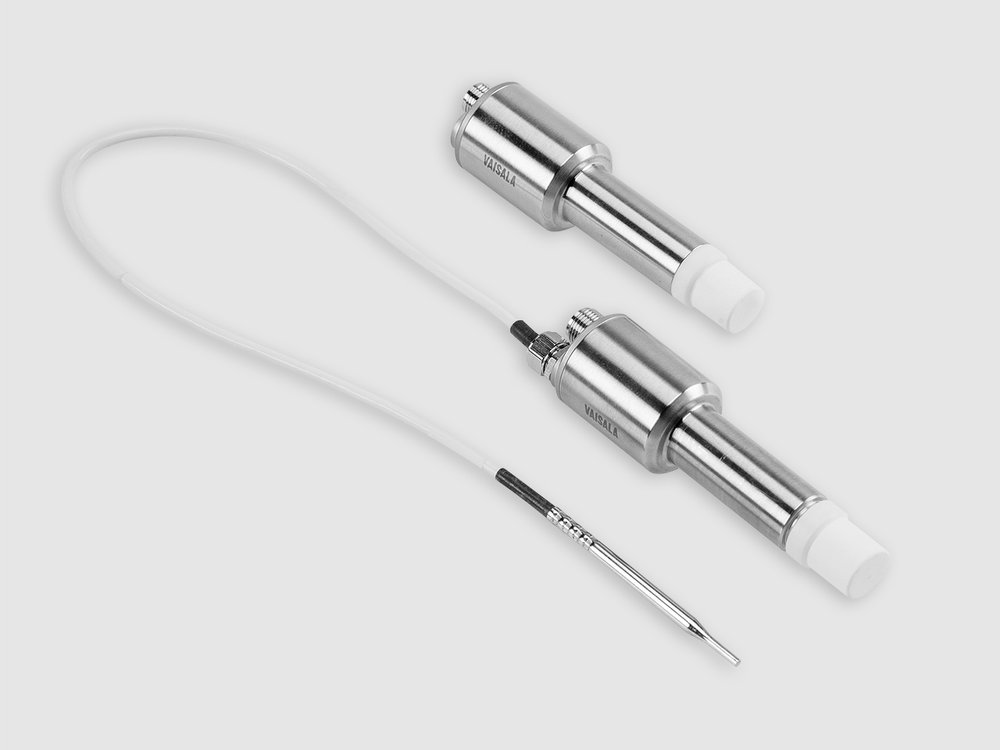 HPP270 PEROXCAP® vaporized hydrogen peroxide probe for bio-decontamination
 -
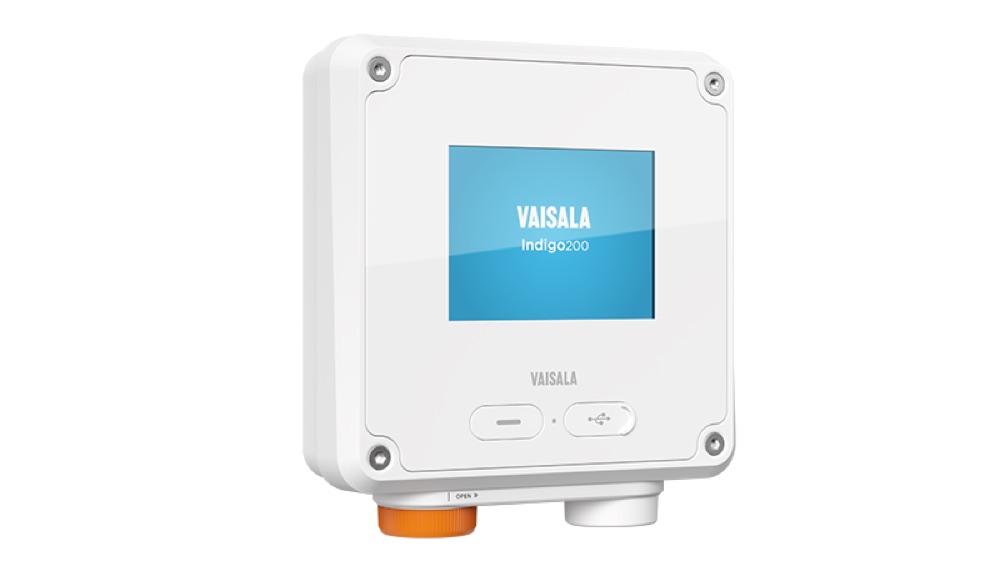 Indigo200 Compact single-probe transmitter for the Indigo ecosystem
 -
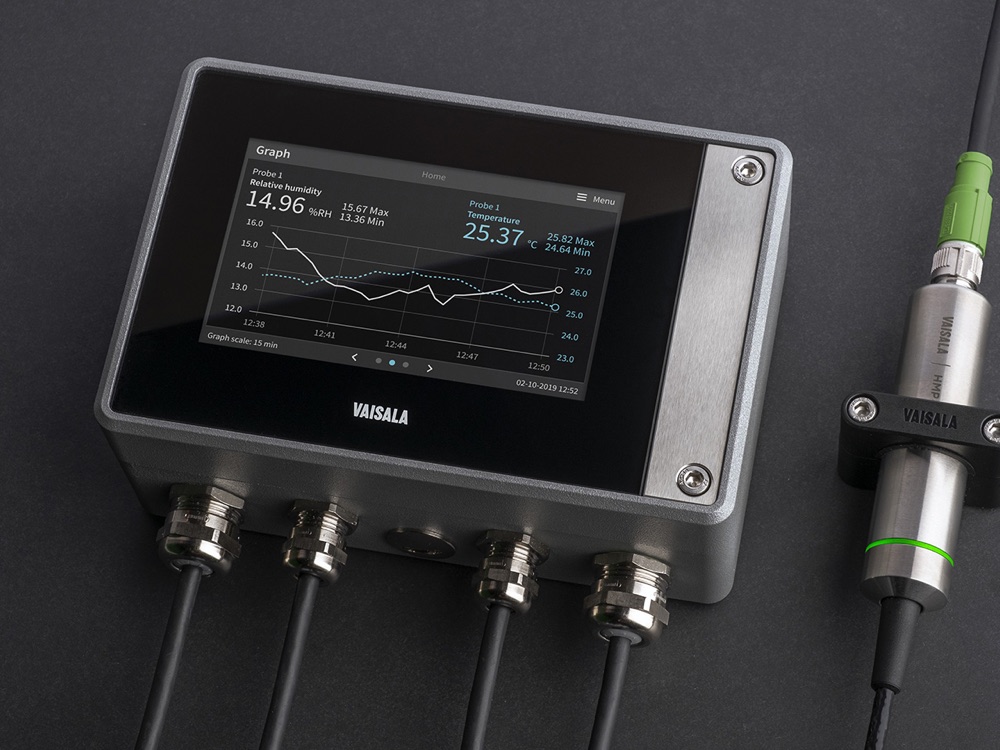 Indigo500 Universal transmitter for Indigo-compatible probes
 -
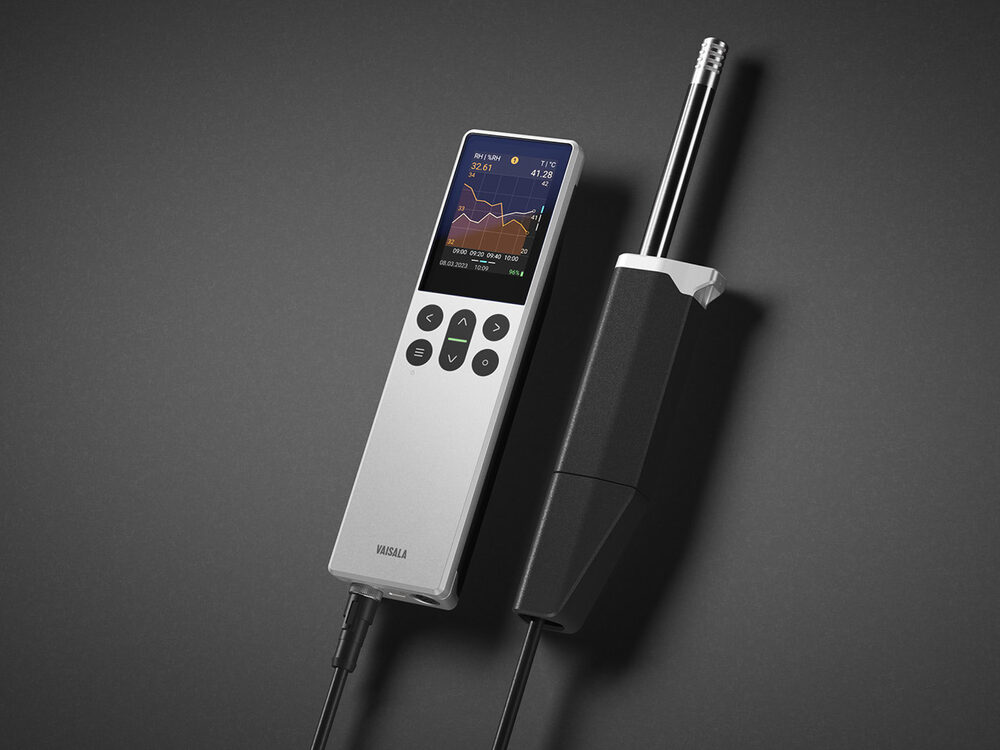 Indigo80 Handheld indicator for Indigo-compatible probes
 -
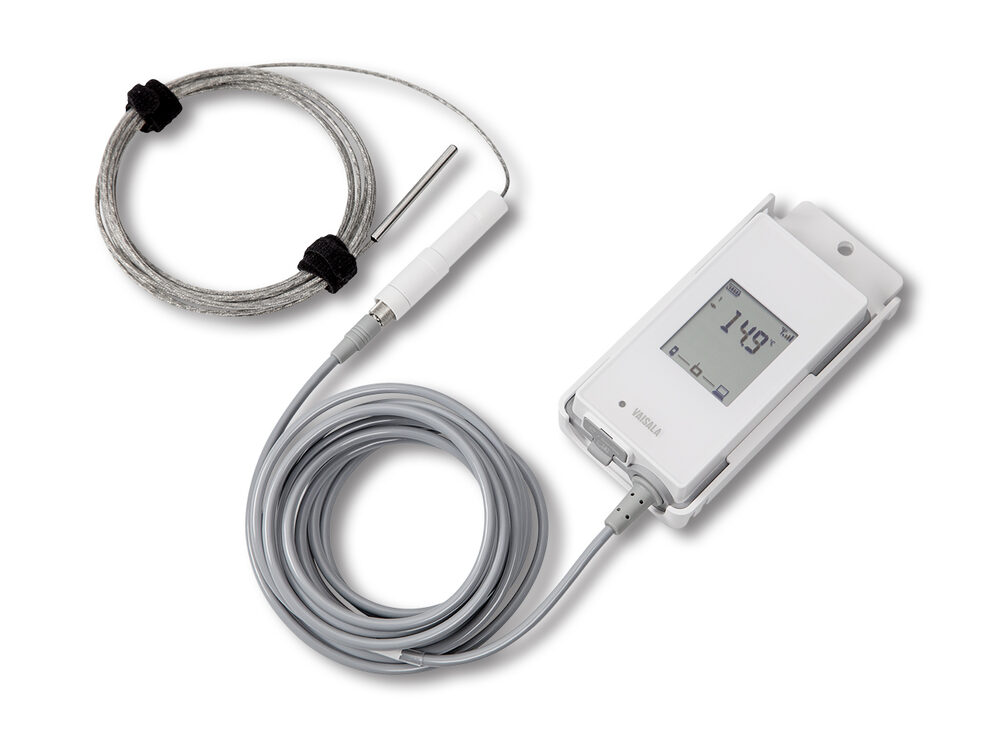 RFL100 VaiNet wireless data logger for continuous monitoring
 -
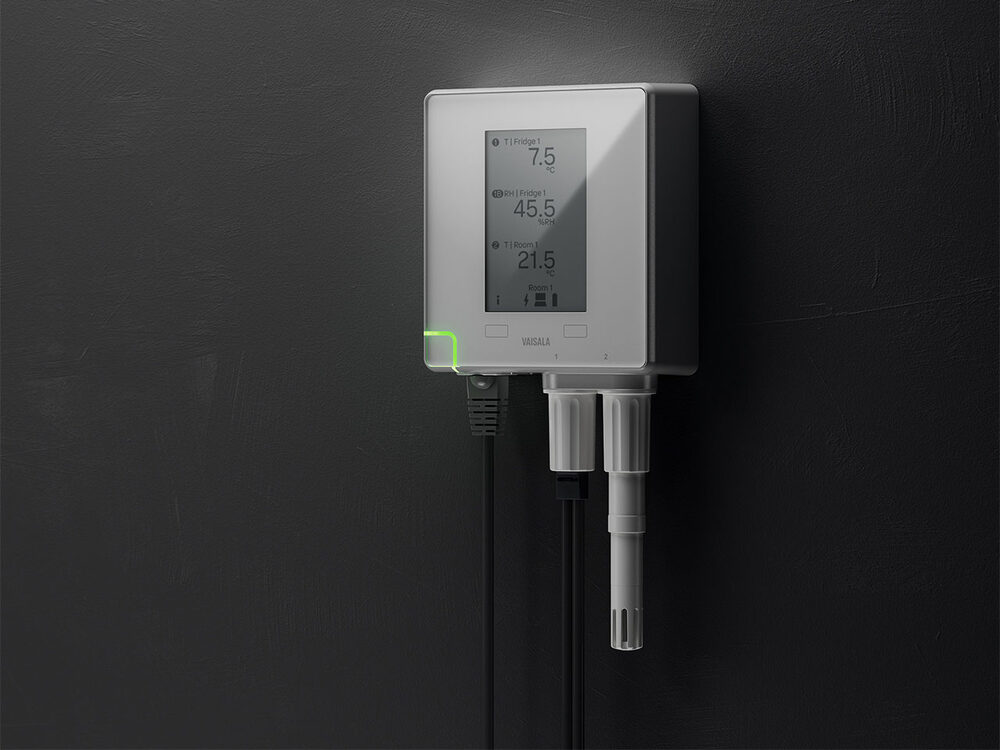 VDL200 Multi-parameter PoE data logger for continuous monitoring
 -
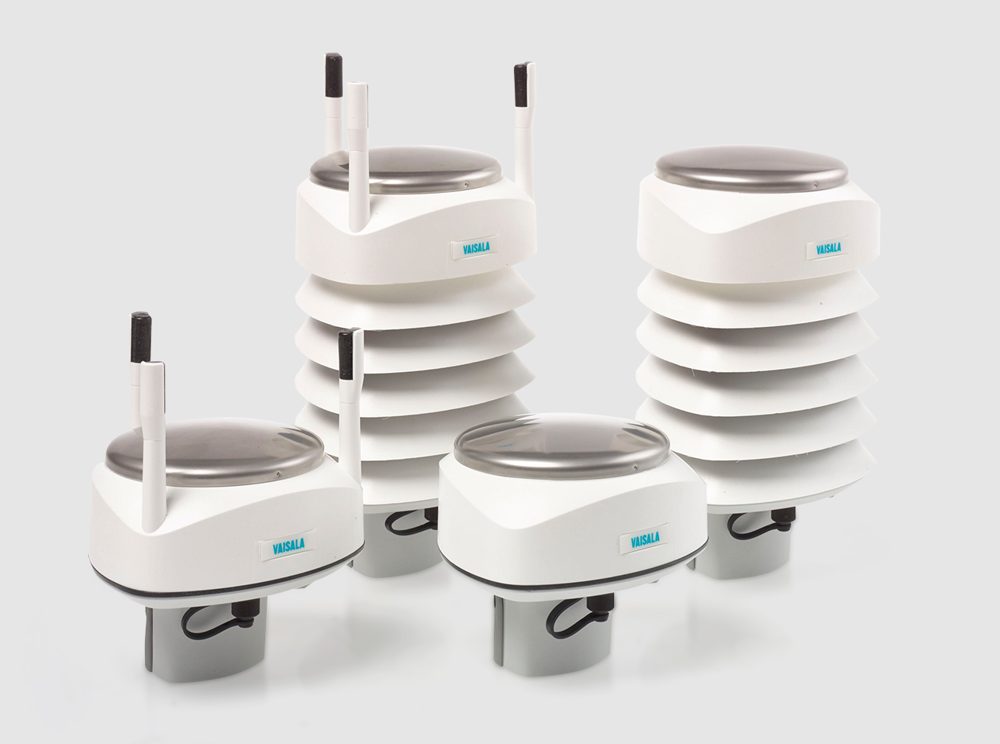 WXT530 Compact multi-parameter weather transmitter series
¿Querés profundizar sobre este tema?
Nuestros especialistas pueden asesorarte en detalle sobre su aplicación en tu proceso.