
Dew Point in Compressed Air
Why dew point — not relative humidity — is the variable that defines compressed air quality, how it is measured at line pressure or with a sampling cell, and what the ISO 8573-1 standard requires.
Compressed air is everywhere in an industrial plant: it drives valves and actuators, conveys and blows product, and often comes into direct contact with the process. The moisture it carries is its silent problem — it condenses in the lines, corrodes piping and equipment, freezes valves in outdoor installations and promotes bacterial growth. For the general context of the magnitude, see the dew point instrumentation landing.
Since compressed air runs dry by design, relative humidity stops being a useful variable: the correct control variable is pressure dew point. The full reasoning, with the compressed air scenario worked through step by step, is in the technical note on practical humidity measurement.
This note covers
- Why dew point defines compressed air quality
- Direct measurement at line pressure vs. sampling cell
- What ISO 8573-1 requires and how to verify dryer performance
The Variable That Defines Air Quality
Dew point indicates the temperature at which the water vapor in compressed air condenses. As long as that value stays below the lowest temperature the installation encounters, condensation is impossible anywhere in the system. That is why ISO 8573-1, the standard that classifies compressed air purity, expresses water content as pressure dew point classes — not as relative humidity.
Dryers determine that value. A refrigerant dryer brings the air to dew points around +3 °C, enough for the standard's intermediate classes; the driest classes require a desiccant dryer, which reaches −40 °C or lower. Class 1 — the most demanding — specifies a pressure dew point of −70 °C or below.
Measuring at Line Pressure or with a Sampling Cell
Dew point depends on pressure: the same air, expanded to atmospheric pressure, shows a dew point tens of degrees lower than at line pressure. The first installation criterion is therefore to define at which pressure the reading is needed — the standard classifies by pressure dew point — and measure at that condition, with no uncontrolled expansions along the way.
Direct in-line measurement is the simplest option when conditions allow it: DRYCAP® dew point transmitters install directly into pressurized systems. When the gas temperature is high, or the sensor needs protection from water spikes — typical during system failures or start-up —, a sampling cell is inserted to condition the gas before the sensor. In both cases one basic rule applies: the process dew point must stay below the room's ambient temperature, or vapor condenses in the measurement line itself and the reading becomes meaningless.
Verifying Dryers and Protecting the System
Continuous dew point measurement turns the dryer into a verifiable piece of equipment: a sustained drift toward wetter values reveals exhausted desiccant, an undersized dryer or an incipient failure — before water shows up in the lines or product gets rejected. It also prevents the opposite mistake: over-drying, which consumes energy for no benefit.
DRYCAP® technology is built for this duty: it withstands condensation and recovers undamaged after getting wet, resists oil vapor and particulates, and its auto-calibration function corrects dry-end drift, with typical calibration intervals of two years.
This technical content is based on Vaisala's documentation on dew point measurement in compressed air. AKRIBIS is an authorized Vaisala partner for distribution and technical support in the region — explore the full Vaisala instrumentation line. For your system's specific configuration — direct measurement or a sampling cell —, consult a specialist.
Instruments to Measure Dew Point
-
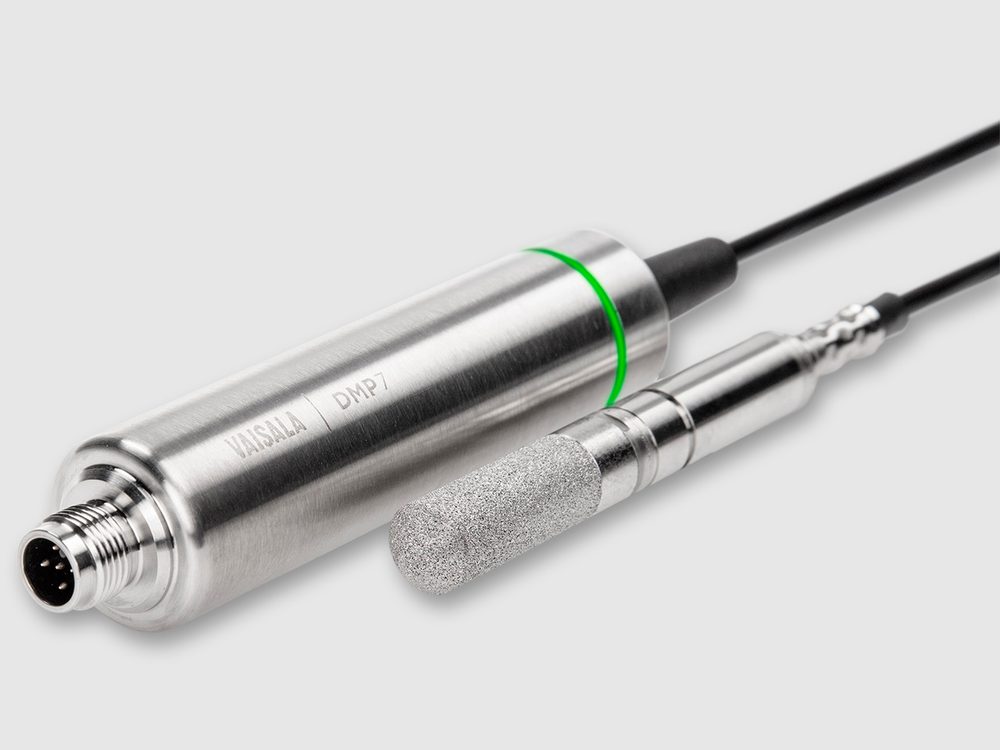 DMP7 DRYCAP® dew point and temperature probe for tight spaces
 -
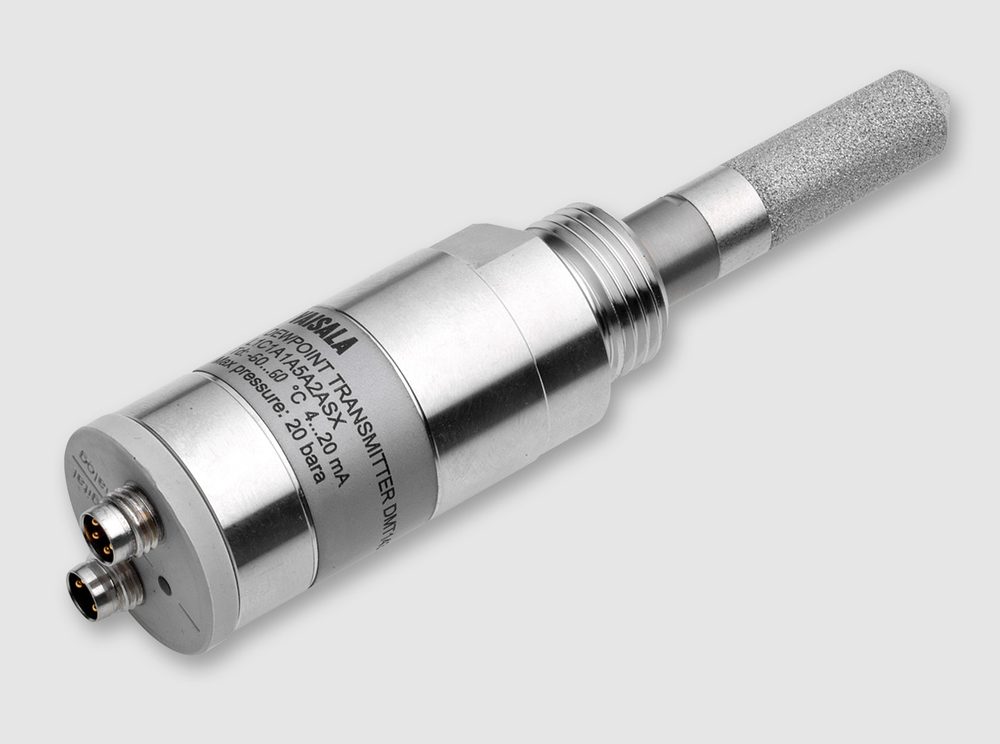 DMT143 Miniature DRYCAP® dew point transmitter for OEM applications
 -
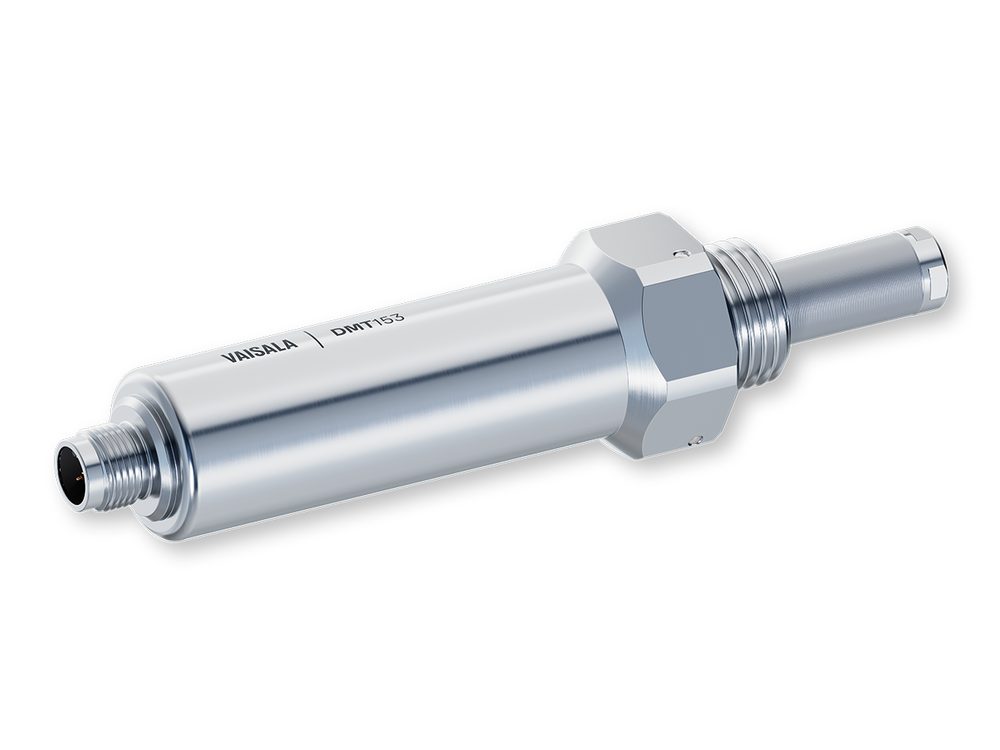 DMT153 DRYCAP® dew point transmitter for ultra-dry processes
 -
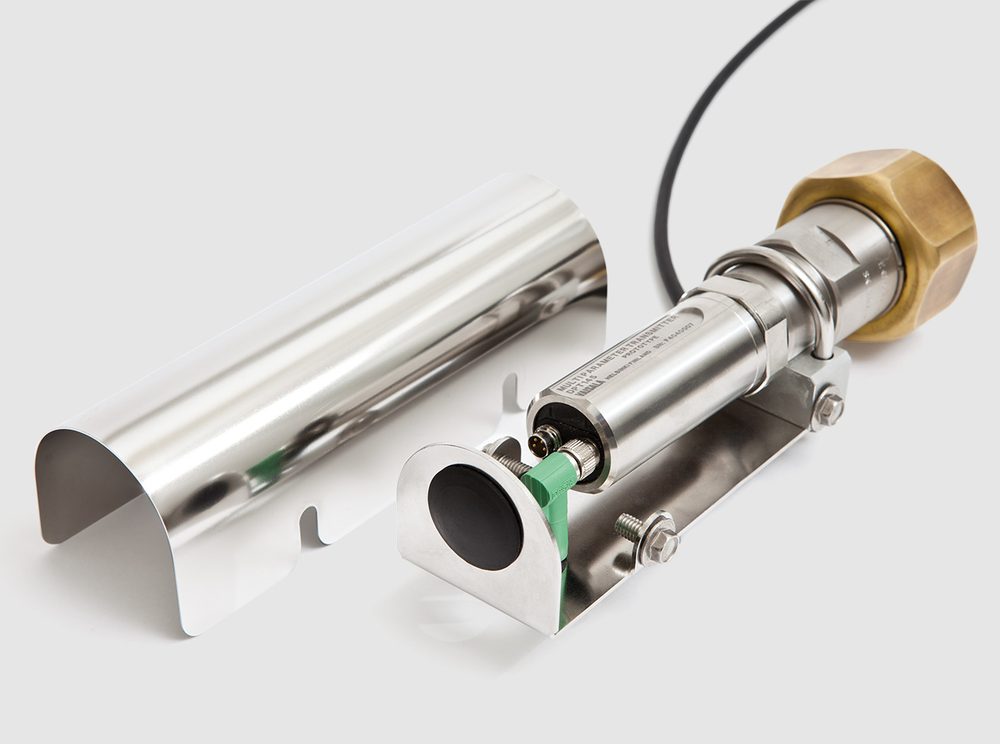 DPT145 Multiparameter transmitter for SF6 gas in switchgear
 -
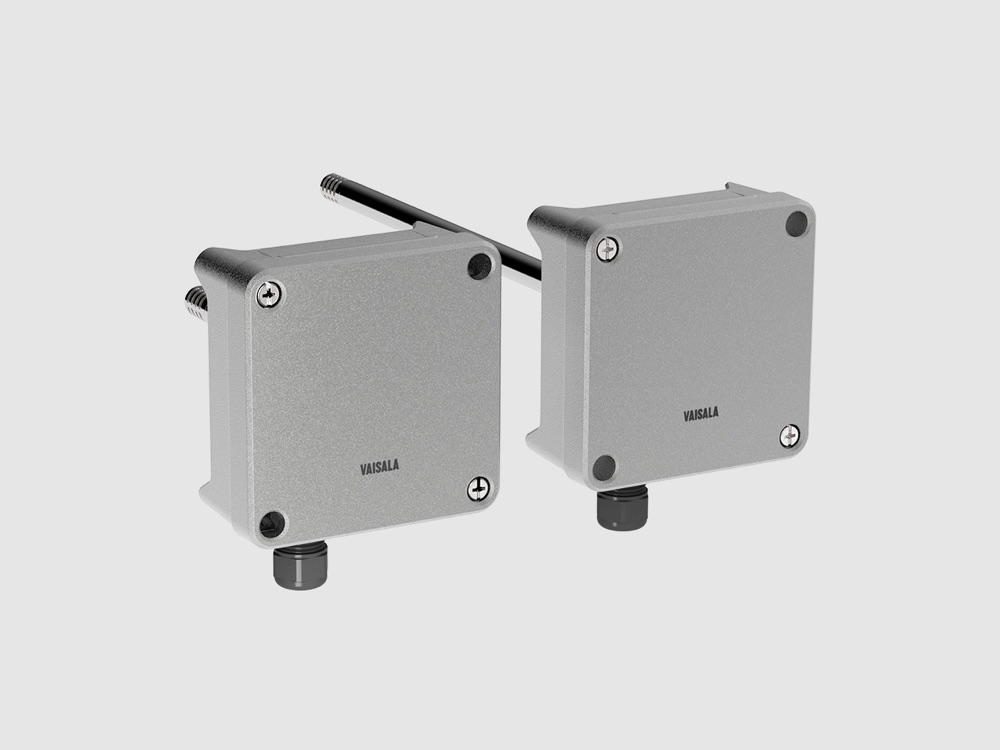 HMD60 Duct humidity and temperature transmitter for HVAC
 -
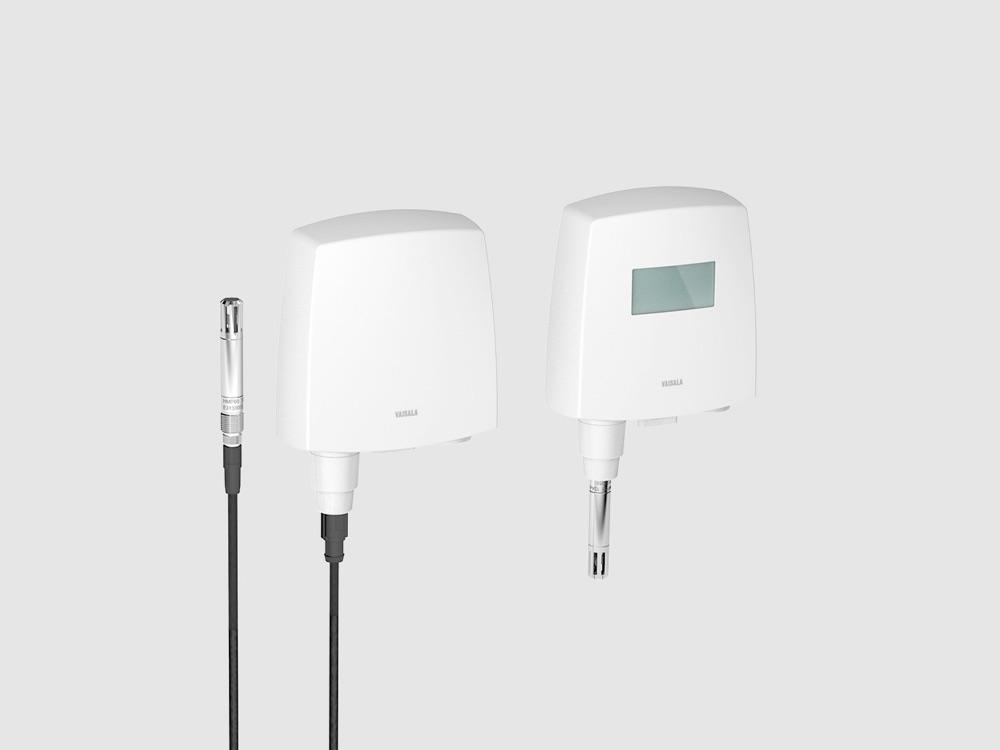 HMT120/130 Humidity and temperature transmitters with exchangeable probe for cleanrooms
 -
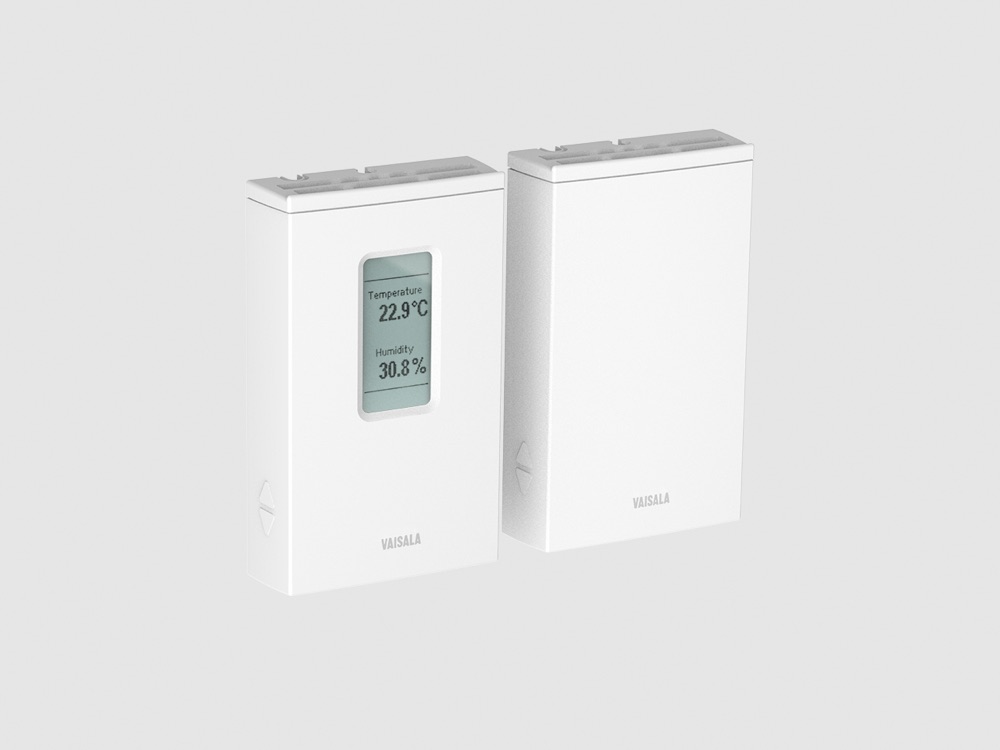 HMW90 Wall-mount humidity and temperature transmitters for building automation
 -
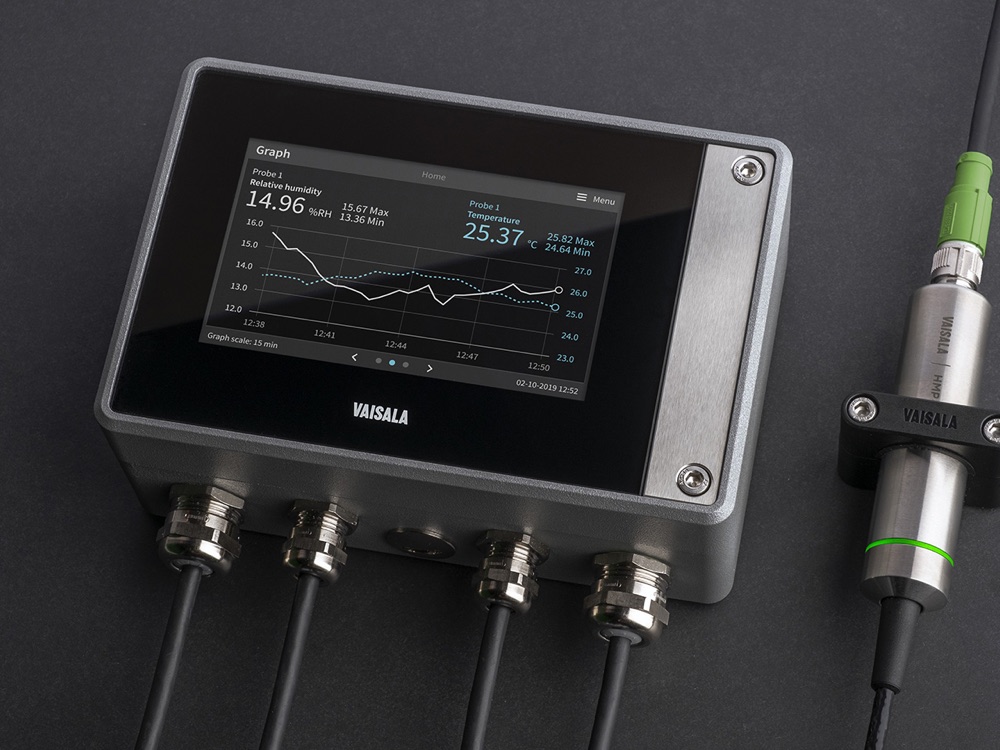 Indigo500 Universal transmitter for Indigo-compatible probes
 -
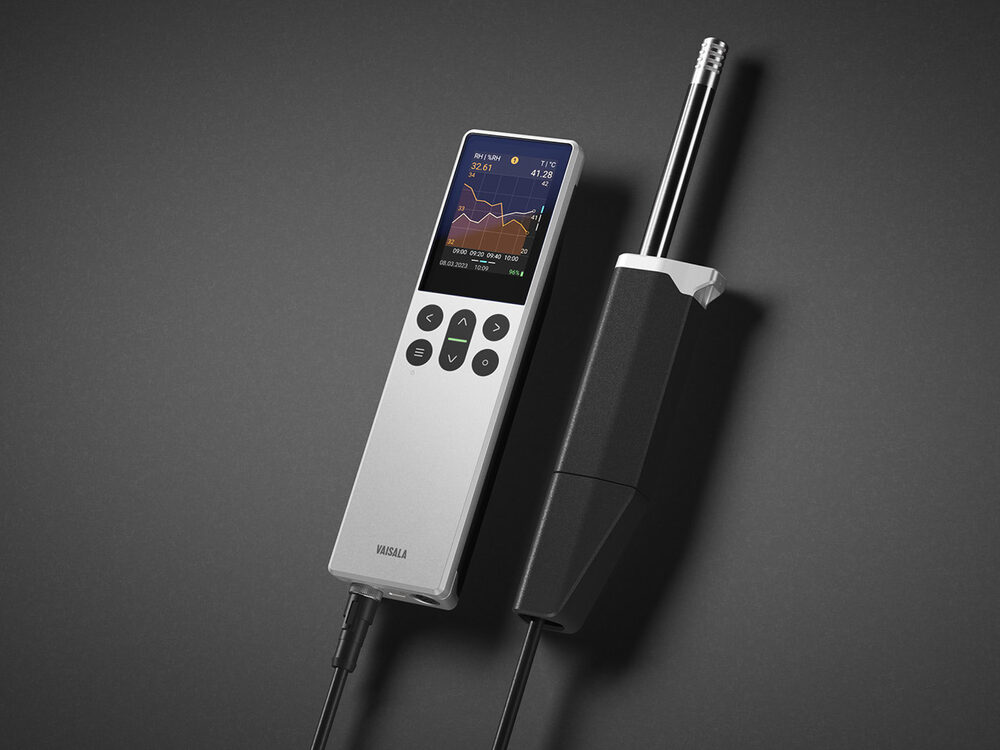 Indigo80 Handheld indicator for Indigo-compatible probes
¿Querés profundizar sobre este tema?
Nuestros especialistas pueden asesorarte en detalle sobre su aplicación en tu proceso.